Cyprus

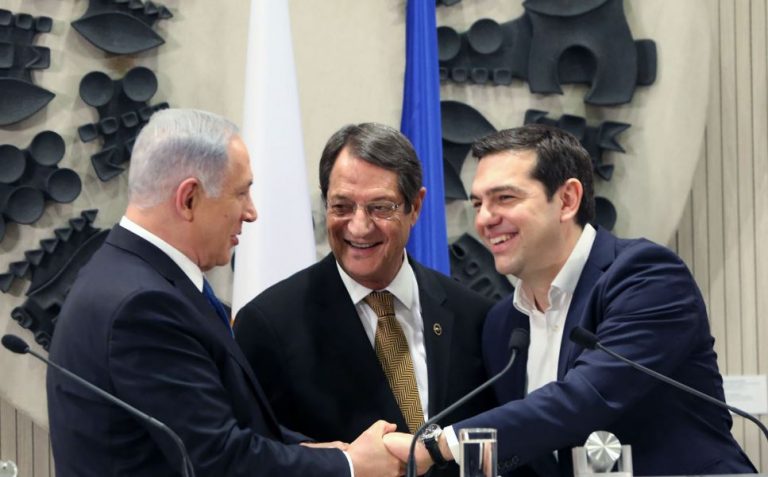
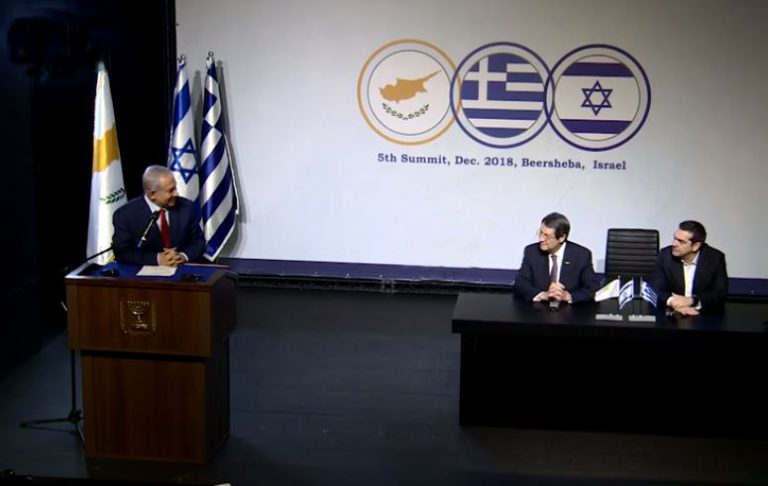
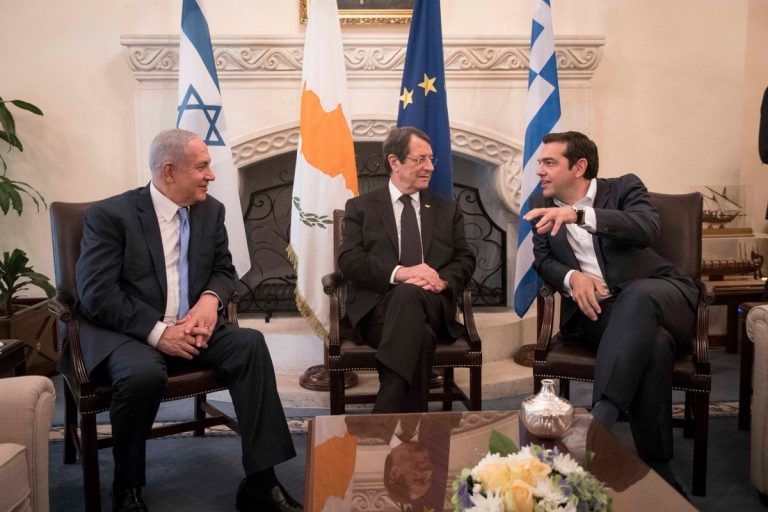
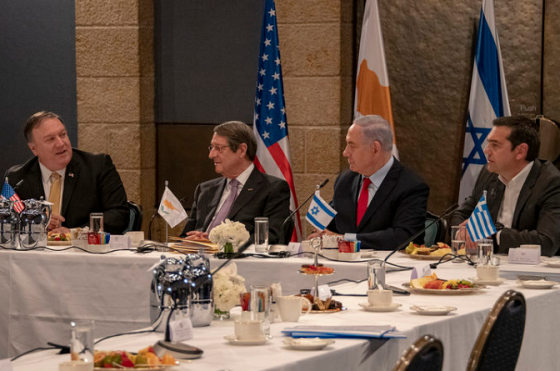
In 2010, Israel decided to enrich its Eastern Mediterranean strategy by looking for new partners. In so doing, it turned to Greece and Cyprus. Slowly and steadily, the three countries expanded their cooperation and overcame previously held stereotypes about one another. Trilateral summits have provided the basis for important discussions on energy, security, trade, and culture issues. The sixth tripartite summit, which took place in Jerusalem last March, was attended by US Secretary of State Mike Pompeo. US support for the tripartite relationship could create new possibilities for the future of the Eastern Mediterranean. BESA joins the debate by posing the question: What is the future of the Israel- Greece-Cyprus partnership?
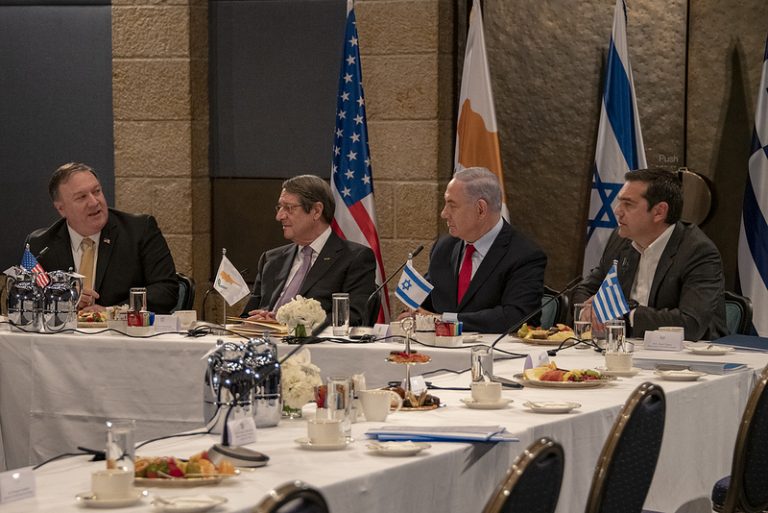
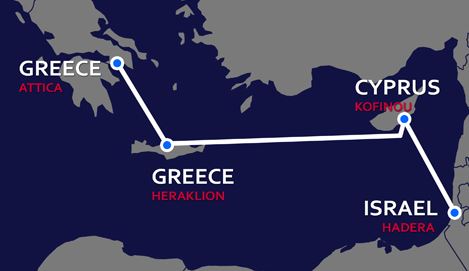
Israel, Greece, and Cyprus are building a democratic bloc in the eastern Mediterranean. The Beersheba trilateral summit highlighted the strong momentum of this initiative, as well as American institutional support for it. Jerusalem, Athens, and Nicosia are expanding their collaboration in fields including defense, cyberspace, energy, and education. The potential construction of an East Med pipeline could be a flagship project contributing to security and prosperity in Europe and the Middle East.
The Eastern Mediterranean Alliance (Israel, Greece, and Cyprus) is emerging at a time of increasing global instability. All three states are firm democracies that promote peace, security, and environmental stability in the region. The tripartite alliance is strategically the most significant anchor of Greek security and economic progress.
Cyprus, Greece, and Israel are steadily building a democratic geopolitical bloc in the Eastern Mediterranean. They are exploring ways to collaborate in fields ranging from energy to communication technology and defense. Greek-American and American-Jewish communities are exploiting the momentum to further boost the developing “triangle” and encourage US support. However, despite progress among the governments and the generally positive climate, warning signs of anti-Semitism in Greece underline the need for grassroots action to combine political achievements with wide public support.
The Eastern Mediterranean has entered a new period of high volatility, with Israel and Greece in the eye of the storm. Both countries are facing an upgraded strategic challenge from Turkey and Iran. This is not simply an interstate problem but a broader crisis that will influence the future geostrategic physiognomy of the Eastern Med.

Accessibility Toolbar