
Germany

The recent electoral success of the Alternative for Germany party (AfD) is attributable primarily to its anti-immigration agenda and opposition to radical Islam. Numerous German citizens saw AfD as a necessary brake to Chancellor Angela Merkel’s “open door” policy vis-à-vis the refugees. But some of AfD’s politicians, in addition to emphasizing the danger of Islamization, have expressed anti-Semitic sentiments. For now, AfD is keeping a lid on its latent anti-Semitism by stressing its admiration for Israel’s skill at safeguarding its security. It cannot be taken for granted, however, that AfD’s anti-Semitism will remain forever restrained.

The harsh measures taken by Turkish President Recep Tayyip Erdoğan since the failed coup attempt last year have led to a deepening crisis with a host of Western states, first and foremost with Germany. Since the coup attempt, relations between Ankara and Berlin have been at an unprecedented low. However, in light of their history of close relations, the volume of stable economic trade over the years, and Turkey's ability to stabilize the waves of immigration to Europe, the countries may yet find a channel of communication in order to contain the crisis.
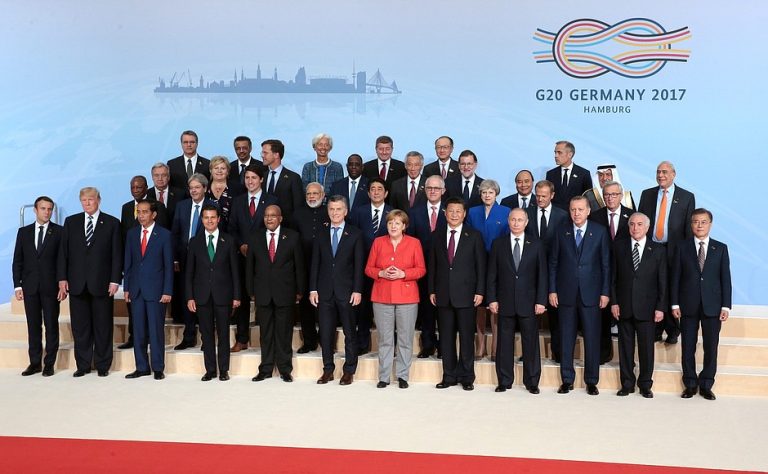
The most significant features of the recent G20 Summit were China’s and Germany's move to the forefront of the global leadership stage and a corresponding step backward by the US. The change in world leadership will affect the world economic structure over the coming years.

Accessibility Toolbar