
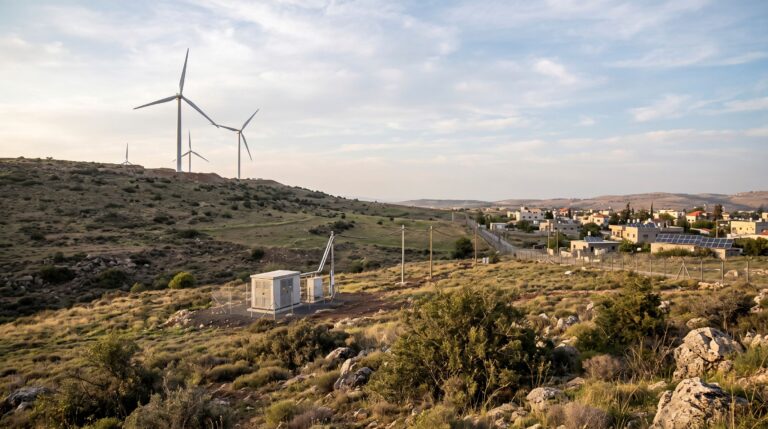
Electricity cooperation between Israel and Syria is technically possible, but would be considerably more difficult than the indirect gas exports that are already taking place via Jordan. Unlike natural gas, electricity trade must be balanced in real time, creating immediate dependence on shared infrastructure. A model of small, reversible, and externally monitored electricity links that serve defined civilian projects and are detached from either side’s national grid is therefore the most likely path for the future. The most realistic first step would be a small pilot connection from the Golan Heights to Druze communities in southern Syria, supported by existing wind generation, new solar capacity, and battery storage. Lebanon would also be able to participate through separate solar and storage projects in the south, with a direct Israeli connection considered only after security conditions between the two countries improve. Such projects could support water pumping, hospitals, and municipal services in both Syria and Lebanon while giving Israel influence over regional reconstruction. While such initiatives would likely never lead to a fully integrated regional grid between the three actors, they can become more than just a symbolic peace project. Their success would depend on strict reliability standards, the consent of the local communities, and the ability of each side to disconnect without destabilizing its own grid.