
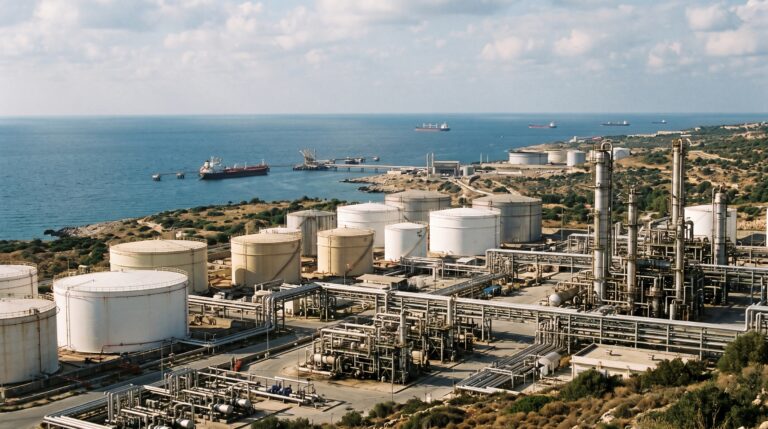
Syria is reviving plans for major oil pipelines linking Iraq and other Gulf oil producers to the Mediterranean Sea. At first glance, such projects may appear to compete with Israel’s ambitions to become an important link in the India-Middle East-Europe Economic Corridor (IMEC). This assumption is misleading. While railway and highway projects may naturally compete directly with one another for freight routes, energy pipelines operate with a different logic. Once established, oil and gas pipelines (and future hydrogen pipelines) tend to move continuously through several parallel routes, with additional pipelines providing resilience rather than displacing one another. Israel should not view Syria’s emergence as an oil transit state as a threat in the same way it may view competing regional railway corridors proposed by Turkey. The more useful question is how Israel can ensure future access to, or connection with, the regional oil network that is developing around it. Options may include a physical connection to a proposed Iraqi oil pipeline via Jordan, access to direct maritime deliveries from Baniyas or Tripoli to Ashkelon, or reciprocal energy arrangements in which Israeli gas and electricity flow to Syria and Lebanon while Israel gains access to their emerging oil supply routes. The goal is not to force oil corridors to go through Israel, but to make sure that the new regional oil network does not bypass it completely.