PSCRP-BESA Reports No 73 (July 29, 2024)
by Alex Greenberg
Iranian weapons murder Israeli Children
Iran is waging war against Israel and its allies on all fronts. On July 28, an Iranian-made Falaq missile fired by Hezbollah struck a playground in Majdal Shams, killing 14 children. Iranian media initially praised “Hezbollah’s crushing blow that killed six Zionists“. However, shortly after, Iranian propaganda altered the narrative, claiming that an Iron Dome interceptor had hit the children in Majdal Shams. The IRGC channel on Telegram reported that claim.
Yerevan plays the destructive role assigned to it by Tehran
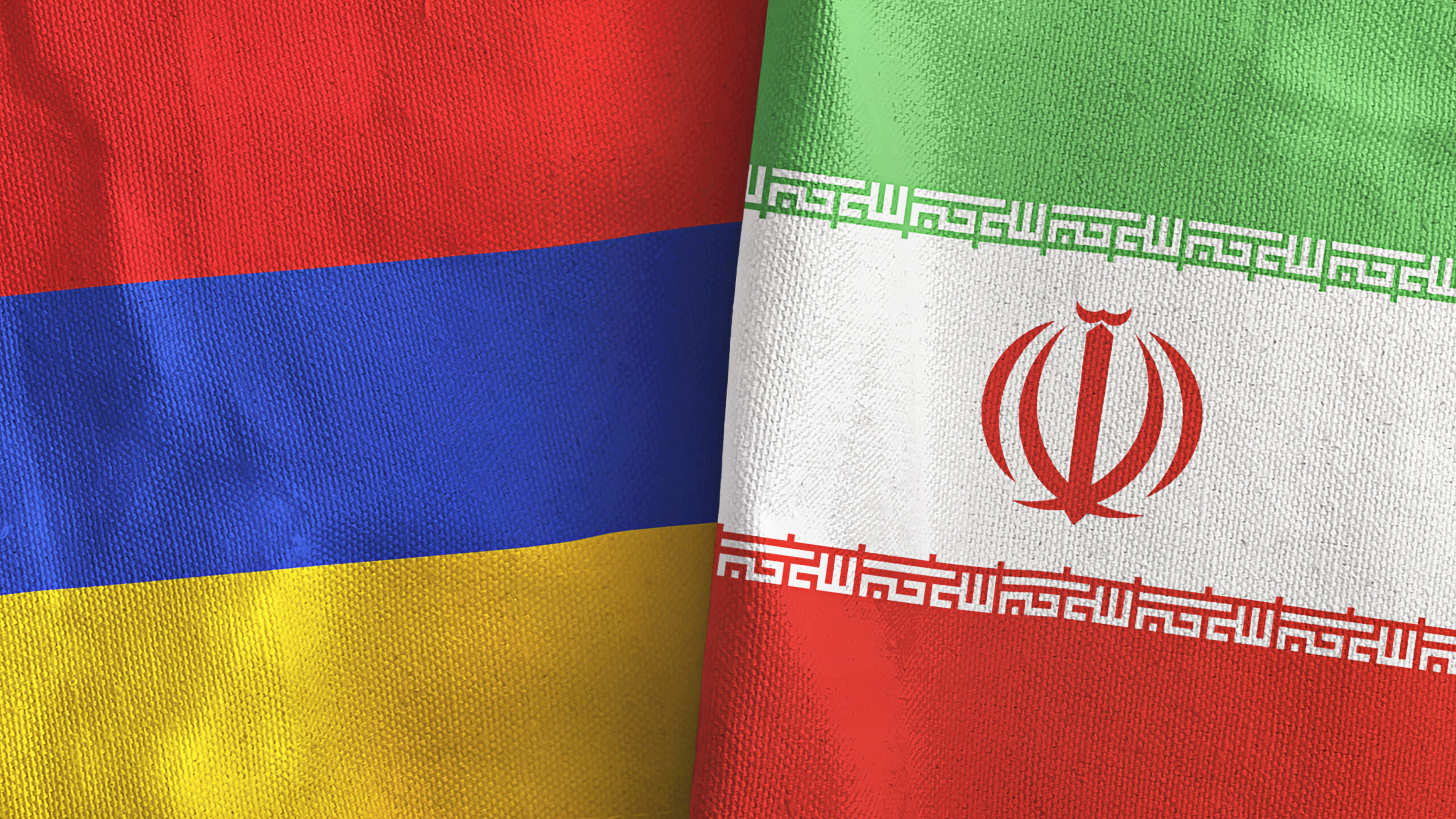
Iran’s actions extend beyond military assaults on Israel through its proxies; it is actively working in other regions to undermine Israel’s allies. The American Persian-language channel Iran International revealed the existence of a major arms deal between Iran and Armenia, estimated at half a billion dollars. The Armenian shopping list includes UAVs (Shahed 136 loitering munitions and attack drones) and air defense systems such as 3 Khordad, Majid, 15 Khordad, and Arman.
The Armenian Ministry of Finance reported that defense expenditures have increased by eighty percent this year compared to 2020. Armenia’s defense budget for 2024 is $1.4 billion, meaning the amount intended to finance the deal with Iran constitutes one-third of the defense budget. Armenia is a poor country with limited revenue sources, which raises questions about the funding for this deal with Iran. Payment may be made through loans or services provided by Armenia to Iran.
Iran International emphasizes that the arms deal is not limited to supplying weapons, but also includes strengthening relations and cooperation in security, intelligence, training, and instruction. Most concerningly, one clause mentions establishing military bases on Armenian soil. If the deal goes through, Iran will not only increase its influence over Armenia but also maintain an overt Iranian military presence on Armenian territory.
Implementing some of this cooperation practically is necessary as air defense systems and UAVs require demanding and prolonged training – these complex weapon systems cannot simply be operated upon delivery. This will also necessitate the presence of Iranian experts in Armenia.
The Armenian Ministry of Defense and Ministry of Foreign Affairs have vehemently denied the existence of any such deal. However, the tone of their emphatic denial suggests that there may be truth to the reports. Yet the analyst David Karapetain maintained that Armenia’s need for Iranian weapons was urgent, suggesting that Armenian officials were right to deny the deal because it would compromise Iran.
Armenia Has Never Sung a Song of Peace
To understand the nature of the relationship between Armenia and Iran, one must consider the broader geopolitical picture in the Caucasus. Armenia was defeated by Azerbaijan in the Second Karabakh War in 2020. The Karabakh issue itself was resolved in January 2024. It’s important to note that the conflict between Armenia and Azerbaijan is not a typical dispute between the two countries where each side has legitimate claims.
Ethnic Armenians, who never wanted to live under Azerbaijani rule, inhabited the Karabakh region located in the territory of sovereign Azerbaijan. They also refused to accept Azerbaijani citizenship. Armenia has no legal basis for its claims in this conflict: Karabakh is internationally recognized Azerbaijani territory. Armenia itself has never recognized Karabakh’s independence, but supported the uprising of Armenian separatists and supplied them with weapons. The Armenian leadership, up to the current Prime Minister Nikol Pashinyan, had no peace plans or intentions to reach a political settlement with Azerbaijan.
Western attitudes toward Israel are always critical; no Israeli claim is taken for granted. For instance, Israel has always had to propose peace plans or alternatives. International journalists not only ask Israelis tough questions, but they only ask tough questions with no empathy whatsoever. Israel never enjoys indulgences of any kind. No report from the IDF press office is taken as a reliable source of information. Israel is always under constant scrutiny.
The Western stance on Armenia contrasts with this attitude: no one has ever demanded that the Armenian leadership suggest ways to resolve the conflict with Azerbaijan. The Armenian leadership has never faced the requirement to make “tough decisions” and relinquish its historical rights to Karabakh, which they refer to as Artsakh. During the Second Karabakh War in 2020, Armenia’s representatives were facing a host of amicable media that rarely bothered to fact-check Armenian side’s statements.
The leniency shown by the West allowed the Armenian leadership to overlook two immutable facts: Armenia’s lack of resources and weak alliances, and Azerbaijan’s status as an influential energy exporter and ally of Turkey. Finally, Armenia was unable to back up its claims legally, given that Karabakh is on Azerbaijan’s sovereign territory. As such, the issue of Karabakh could never be framed as a geopolitical controversy.
The Karabakh conflict ended with the voluntary decision of the ethnic Armenians to leave the region. Shortly after the repatriation of the Karabakh Armenians to Armenia, Prime Minister Pashinyan decided to end the conflict with Azerbaijan. Despite this, numerous obstacles stand in Pashinyan’s way.
A striking contrast can be noted between the Jewish and Armenian diasporas in terms of their attitudes towards the geopolitics of their ethnic countries. The Jewish diaspora as a whole never automatically supports the most hawkish Israeli politicians and certainly does not pressure Israelis to adopt hawkish political positions. The Armenian Diaspora has the most intransigent stance towards Azerbaijan and Turkey. Many Armenians in Armenia consider Pashiniyan a traitor.
Antisemitism of the most violent and ugly kind is widespread among Armenians. It cannot be explained, let alone justified, by supply of Israeli weapons to Azerbaijan. If arms supply is the reason, it would be much more logical for Armenians to hate Turkey more than Israel, as Turkish aid to Azerbaijan is much more significant. After October 7, Armenian Telegram channels erupted with antisemitic curses, Holocaust denial, and identification with Hamas. Some Armenian antisemitic tropes seem to echo Tehran’s talking points, translated from Persian.
Why Does Shiite Iran Support Christian Armenia?
Iran closely watches developments in the Caucasus, as the region holds strategic value for Tehran. The Tehran regime expresses concern over the possibility of a route from Azerbaijan to Turkey along the Zangezur corridor: the materialization of this project would facilitate the passage of goods and energy from Azerbaijan through Turkey to Europe and the Middle East, sidelining Iran.
Iran views Azerbaijan as a bitter enemy and, of course, accuses Baku of giving a foothold to Zionists and NATO. However, one must keep in mind that Azerbaijan bothers Iran not only because of its relations with Israel, but also because of its very existence as a secular Shiite state with a Western orientation. No one can ignore the elephant in the room: the problem of ethnic Azerbaijanis in northern Iran. They are the most significant ethnic minority in Iran, numbering over forty million people. They are Iranians and Shiites but speak Azerbaijani language. The Iranian regime practices ethnic discrimination: it prevents Azerbaijanis and other ethnic minorities from realizing the right to educate their children in their national language along with Persian and to consume media in their national language. Azerbaijanis in Iran, of course, support Azerbaijan, contrary to the regime, which fully supports Armenia.
The Iranian regime is concerned about the weakening of Russian influence in the Caucasus, which leads to the strengthening of Azerbaijan and Turkey. Accordingly, the importance of Armenia is also growing. Iranian influence in Armenia is only increasing. The Iranian presence in Armenia has a destructive potential as it undermines the fragile stability. Iranian propaganda pits the Armenian population against Pashinyan’s government and Israel. As military ties between Iran and Armenia strengthen, Iran may push Armenia into new military ventures against Azerbaijan. Armenia’s use of Iranian weapons is an excellent testing ground for Iranians to examine the quality of their products under operational conditions and then transfer them to Hezbollah or the Houthis. Iran’s physical presence in Armenia will facilitate terrorist and sabotage operations by the Quds Force of the Revolutionary Guards against Azerbaijan and Israel.
Even before the disclosure by Iran International, many indications were pointing to the strengthening of military cooperation between Armenia and Iran. A French-speaking Armenian published a few days before Iran International that Iran and Armenia were conducting negotiations towards signing an agreement or arms deal. The military advisor to the Iranian leader, Rahim Safavi, noted that Iran is interested in exporting its UAVs, and that among the customers are countries like Venezuela and Armenia. Both Western and Armenian sources reported that Armenia was equipping itself with Iranian UAVs. An Iranian pro-regime YouTube channel reported on July 23 about the supply of Iranian missiles to Armenia. An Iranian Telegram channel specializing in reports about the Caucasus also reported on the deal and added that the news was confirmed by Armenian sources. In a telegram post, detailed images of all types of weapons included in the deal were added to the verbal report.
A Terrorist Facilitator in Diplomat’s Clothing
Iran’s ambassador to Armenia, Mehdi Sobhani, vehemently denied the existence of the deal. However, alongside the denial, Sobhani angrily denounced the illegitimate American interference in relations between Iran and Armenia. Sobhani a much more important figure than his role as Iran’s ambassador to Armenia. Prior to his appointment as Ambassador to Armenia, Mehdi Sobhani was Iran’s Ambassador to Damascus. The position of the Iranian ambassador to Damascus is staffed by senior officers of the Revolutionary Guards. Thus, the role of the Iranian ambassador to Damascus or Beirut is not a diplomatic position but a military one: the Iranian ambassador in these two Arab capitals is engaged in coordinating the actions of the Quds Force of the Revolutionary Guards with Hezbollah in Lebanon or with the Assad regime in Syria.
Mehdi Sobhani is also constantly engaged in incitement against the State of Israel. On April 16, the Russian-language Revolutionary Guards channel quoted Sobhani as saying explicitly, “Certain media outlets are slandering Iran after the Iranian attack against the Zionists. Israeli weapons killed Armenian soldiers during the Second Karabakh War; Israel causes instability in the Caucasus.”
The appointment of a senior Revolutionary Guard officer like Mehdi Sobhani as ambassador to Yerevan shows the military importance the Iranian regime attaches to the Caucasus and Armenia. This should worry not only Azerbaijan and Israel but also the West.
Yerevan must choose between the West and Tehran
Armenia is taking advantage of its distancing itself from Russia and receiving support from the West in the form of financial contributions and military aid, particularly from France.
Yerevan cannot continue to play a double game: it wants to get closer to the West to receive Western weapons and aid, while strengthening its ties with the Iranian regime. Iranian presence in the Caucasus threatens the security of the region. In addition, Armenia serves as a transit point to circumvent sanctions for Russia and Iran. Iranian and Russian intelligence services and military experts are very active in Armenia.
There is no reason to allow them free access to modern Western weaponry. The Iranian regime is murderous and illegitimate, and any contact with it, especially the use of its lethal weapons, is unacceptable.
Alex Greenberg, Capt. (res.) IDF Military Intelligence research department, is a PhD candidate at the Department of Middle Eastern History, Tel-Aviv University.