- Prof. Eitan Shamir
- Paper No. 2359
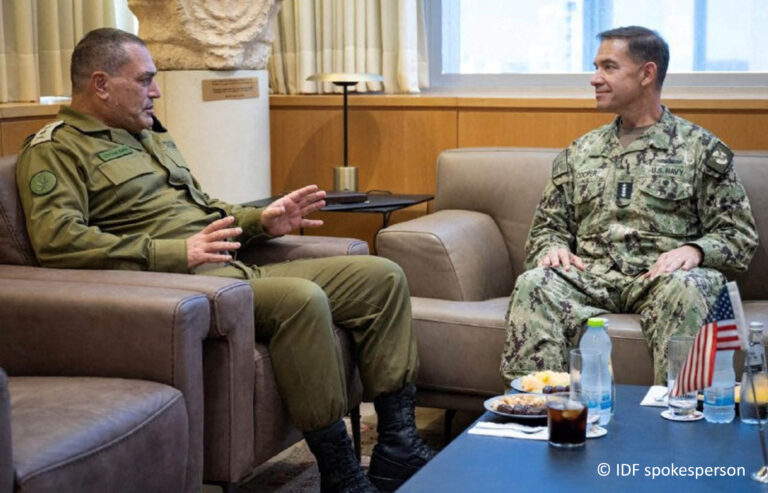
US involvement in Gaza does not reflect a loss of Israeli control but rather a new strategic framework that emerged after Israel's 2022 integration into CENTCOM. This shift enabled unprecedented regional coordination, real-time intelligence sharing, and a multilayered defensive posture against Iran and its proxies. Following the Gaza fighting, a joint US-Israel command structure was established, enhancing operational integration while preserving Israel’s independent decision-making. For years, Israel debated the idea of a formal defense treaty with the United States but hesitated due to the fear of losing strategic autonomy. The current arrangement effectively creates a hybrid model. While not a formal alliance, it provides many of its advantages, including stronger deterrence, coordinated defense, deeper strategic depth, and the capacity for joint action, while maintaining Israel’s freedom of action.