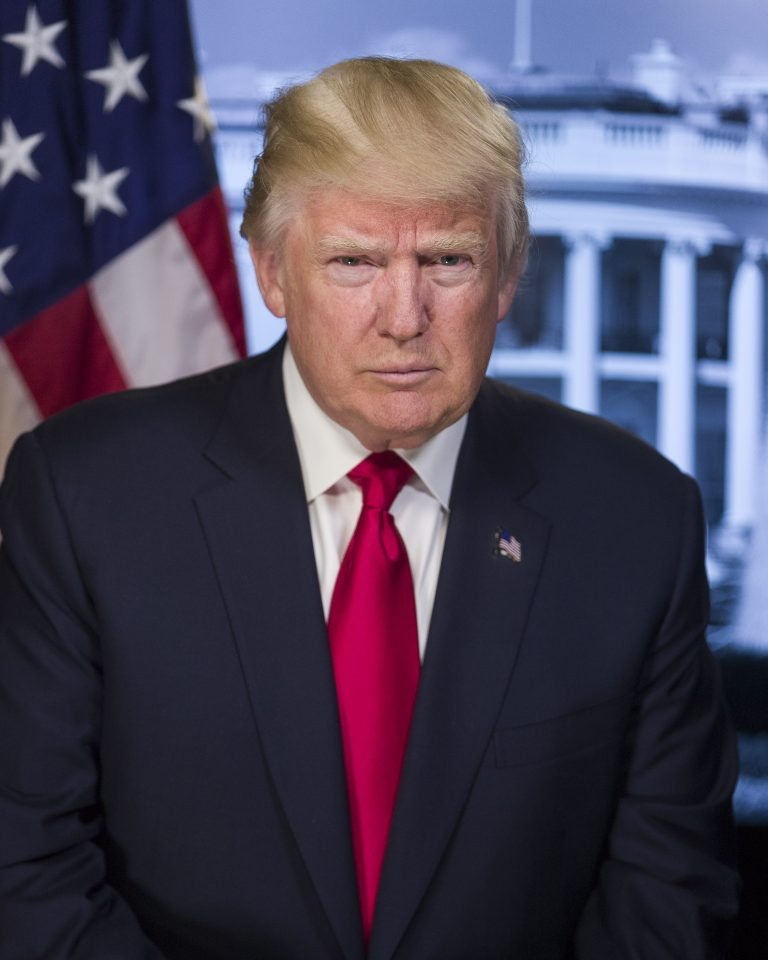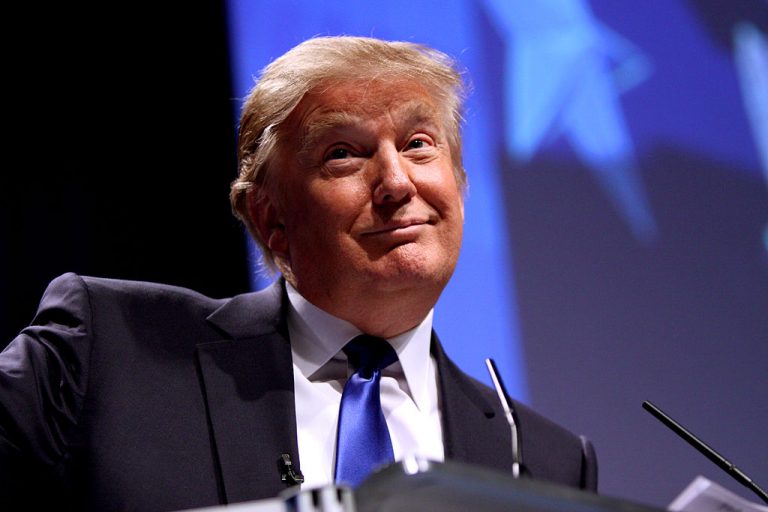
Donald Trump

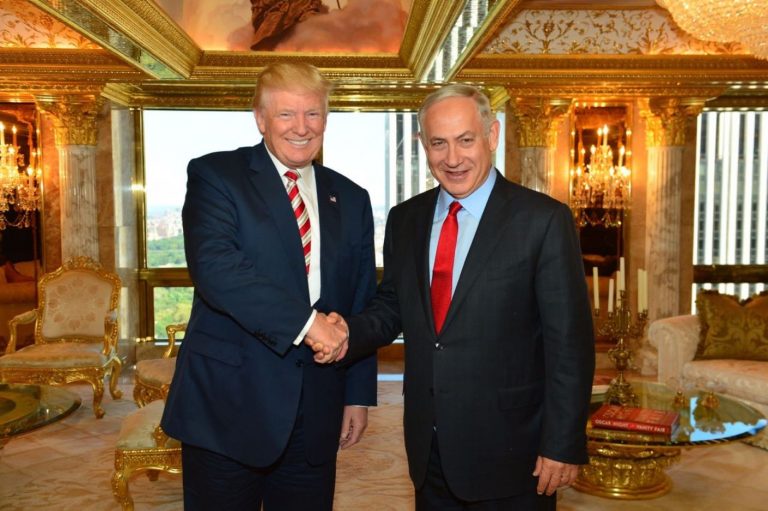
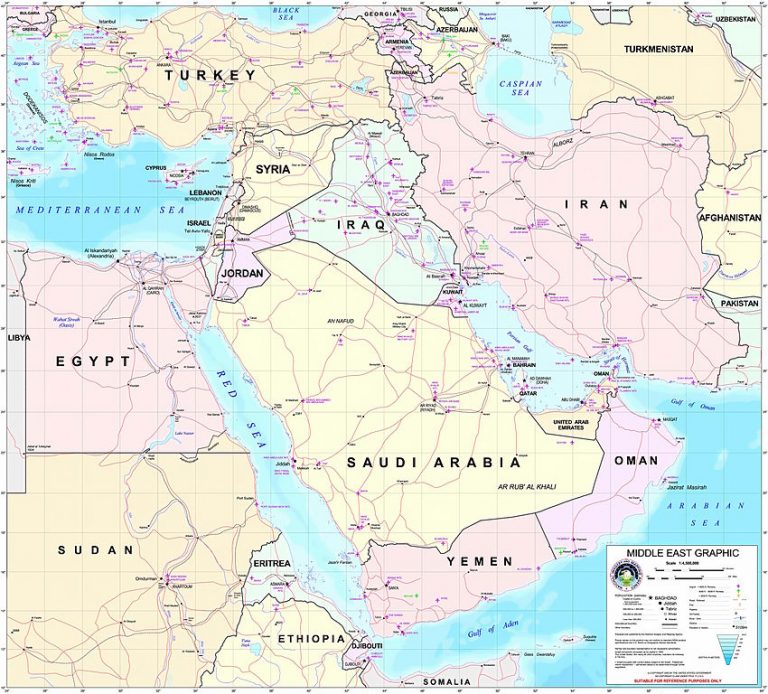
President Trump's efforts to bring Israel and the Palestinians back to the negotiating table are taking place against the background of a broader effort to recast US policy in the region. The memory of Secretary of State Alexander Haig's failed effort, back in 1981, to put together a regional "strategic consensus" against the Soviets may have faded, but the idea behind it is making a comeback. Facing the Iranian revolutionary regime and its proxies on the one hand and radical Sunni versions of Islamist totalitarianism on the other, key regional players are now more open than ever to an informal US-led alliance against their common enemies. The semblance, perhaps even the substance, of progress on the Israeli-Palestinian front can facilitate this; but even more important would be a firm policy on Iran.
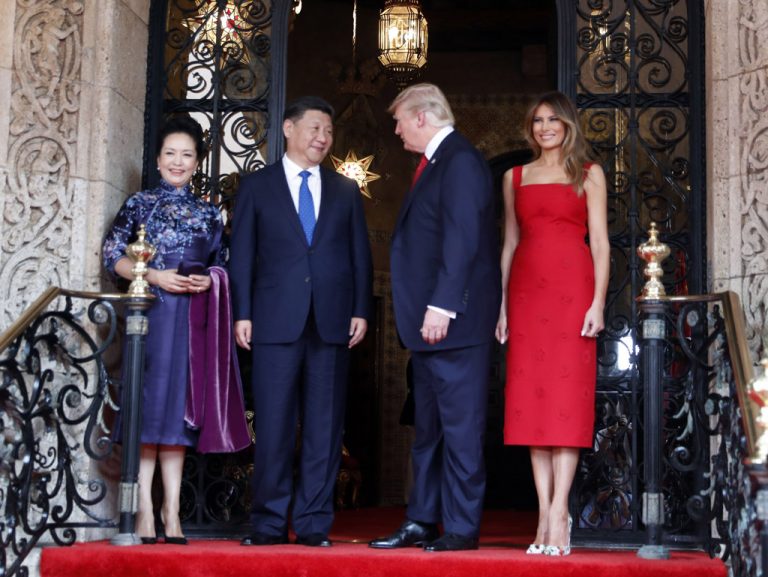
On April 6, 2017, the two most powerful men in the world, US president Donald Trump and Chinese president Xi Jinping, met at Trump’s Mar-a-Lago resort. Their meeting went on for two days. Their conversations dealt with political, security, and financial matters. Even before the meeting took place, both parties demonstrated good will. The Chinese forgave what they taken to calling “Mr. Trump’s provocations”, while Mr. Trump invited Mr. Xi and his wife to his home in an act of good faith that paved the way for a positive visit. Both sides attempted to ease tensions and create a basis for healthy relations.
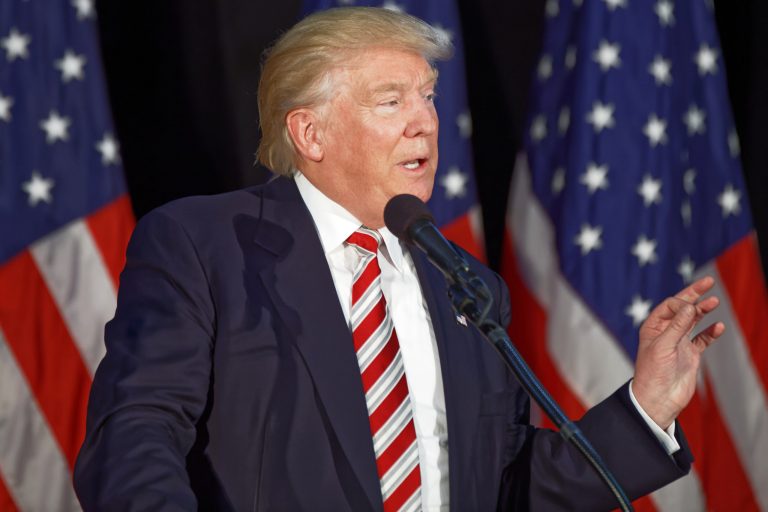
The North Korean nuclear and missile crisis is posing a challenge to the new US administration, especially in the wake of the recent American missile strike in Syria. President Trump will need to consider not only the current North Korean crisis and the immediate military or diplomatic options available for confronting it, but also his long-term goals in the region. Diplomatic, economic, and military options will all have consequences.
Since the 1970s, every American president has attempted to achieve peace between Israel and the Palestinians. Senior American diplomats and envoys have spent a great deal of time on this Sisyphean endeavor. For all his iconoclasm, President Trump has this goal in mind as well – but his eagerness might prove self-defeating.
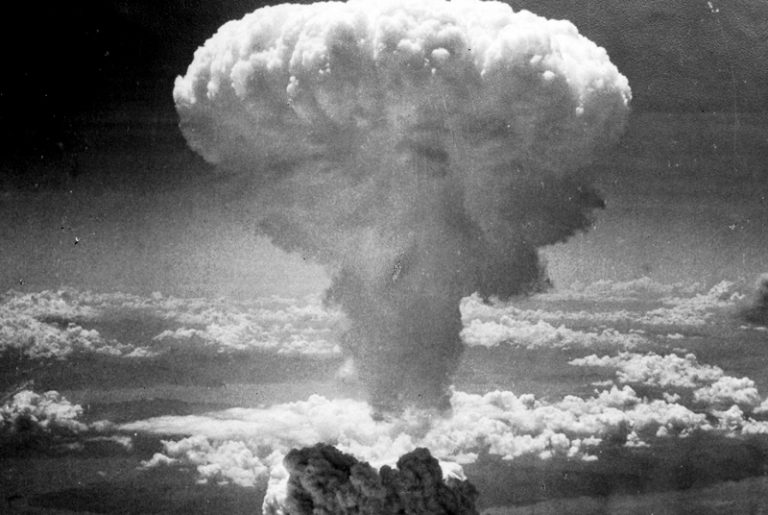
There is no scientifically valid way to predict US presidential irrationality. Nor is there any analytically acceptable way for an American president to foretell the nuclear outcomes of any considered policy decision. There is another, less frequently considered possibility that is just as impossible to predict: that President Trump could refuse to follow through on deterrent threats, thereby allowing assorted Russian aggressions – including those that might involve Israel.
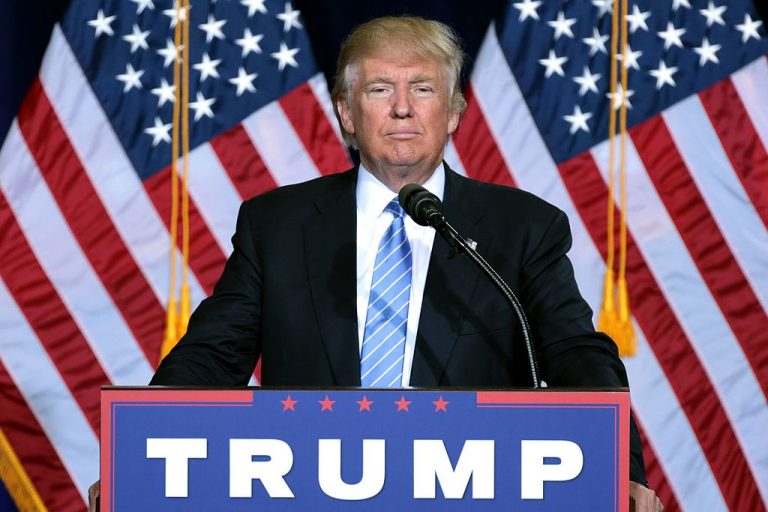
Israel is a very pro-American country, possibly more so than any other country in the world. As in the past, Israelis followed the US presidential election with great interest, amazed that the American political system had not produced more palatable presidential candidates. After eight years of a frosty relationship with the US Commander in Chief, many Israelis cautiously welcome the advent of Donald Trump.

Accessibility Toolbar