If a “permanent agreement” with Iran fails to guarantee the bare minimum safeguards against Iran’s nuclearization that Israel feels is necessary, the relationship between the U.S. and Israel will truly be put to the test.
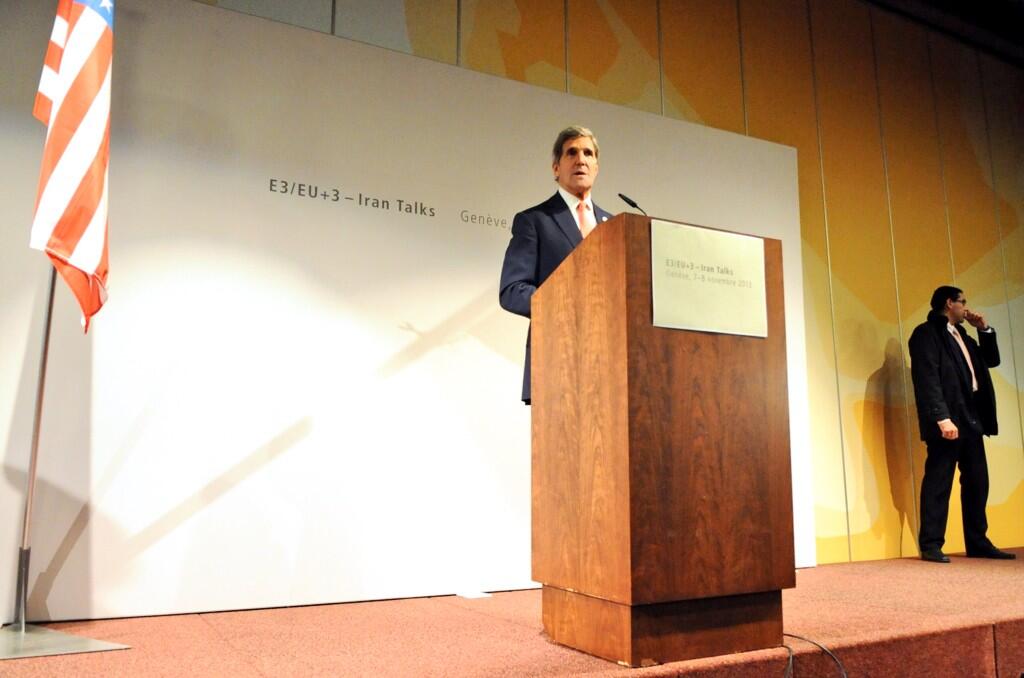
The interim accord reached in Geneva regarding Iran’s nuclear program is a bad deal that enshrines Iran’s status as a nuclear threshold state and paves Tehran’s path towards a nuclear bomb.
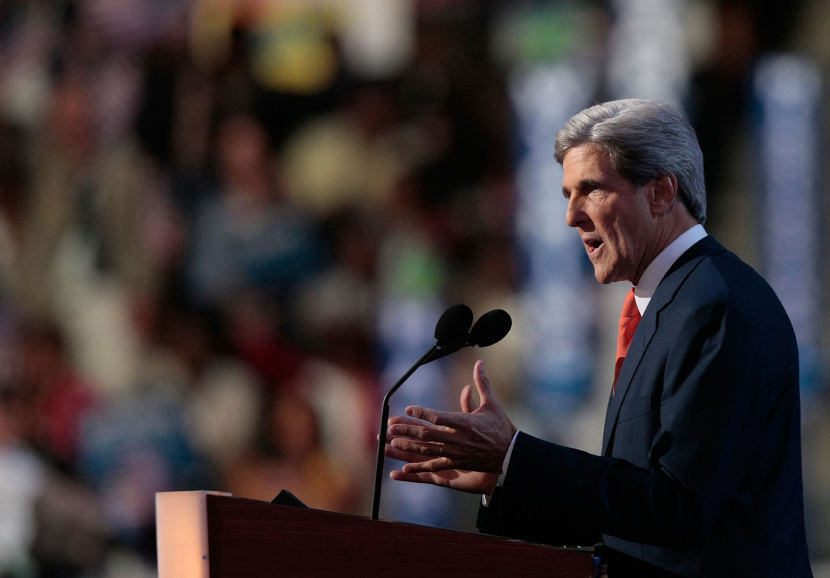
John Kerry warned of a return to Palestinian violence and Israel’s isolation should peace talks fail, yet another reflection of the Obama administration’s inability to properly understand the Israeli-Palestinian conflict.
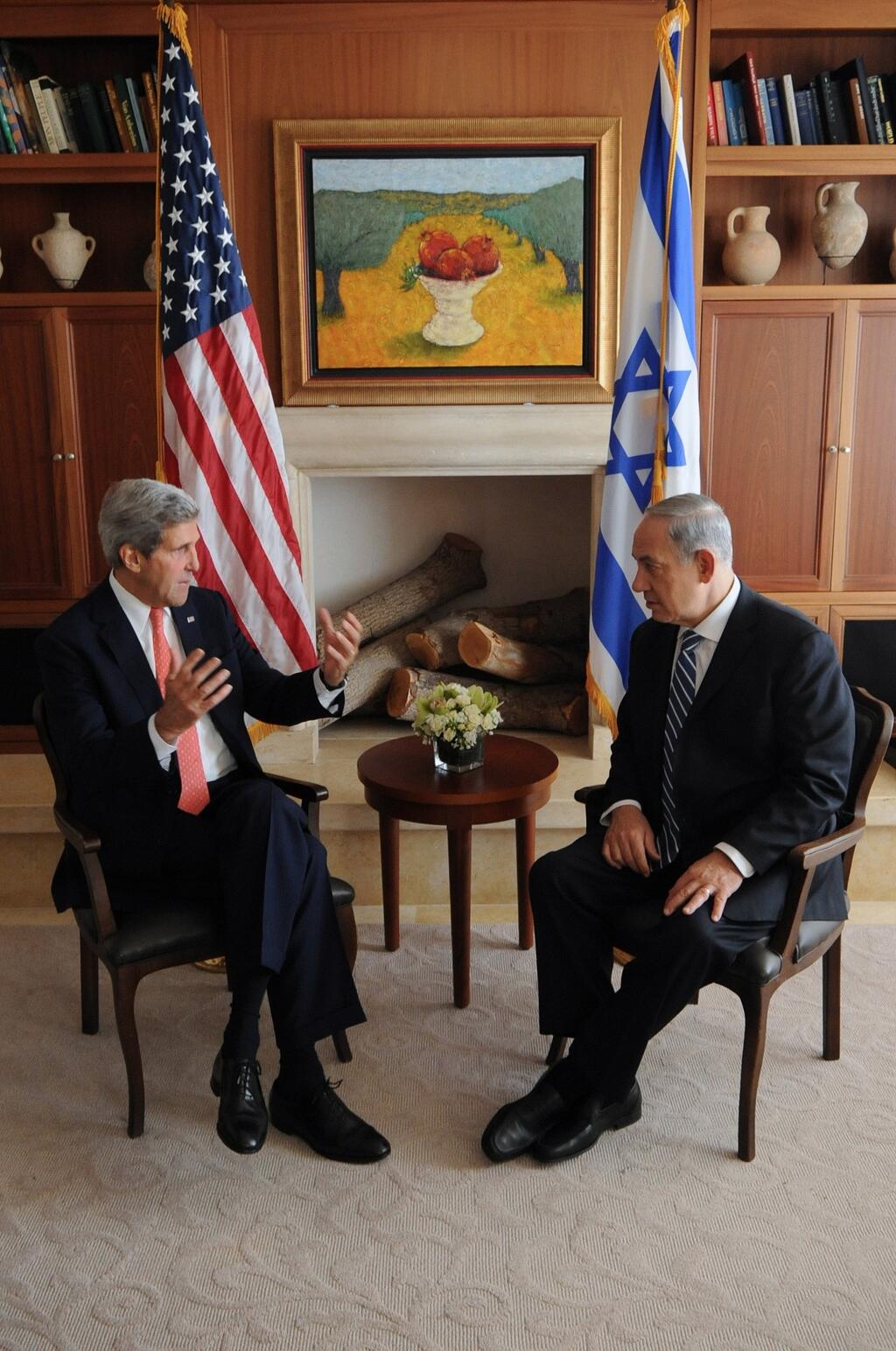
John Kerry has abandoned America’s honest broker stance in Israeli-Palestinian negotiations, laying out the consequences for Israel of disobeying America, but doing no such thing for the Palestinians if they remain intransigent.
Israel and the US must improve their lines of communication. The US also ought to consider equipping Israel with enhanced military resources that would allow Israel to confront Iran at a later date – giving the West more time to pressure the Iranian regime.
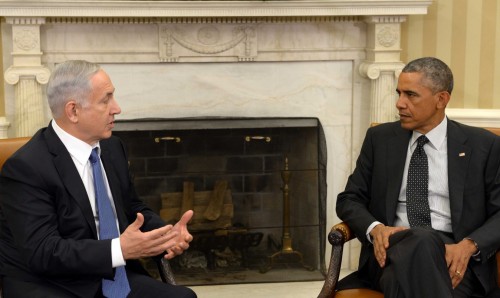
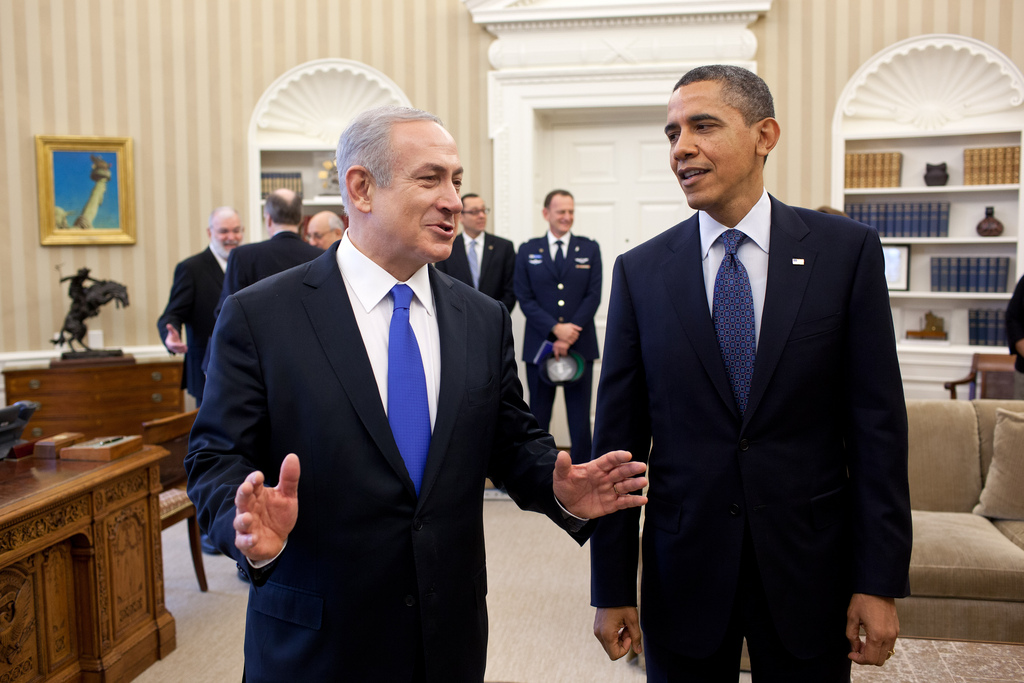
Netanyahu went to Washington with a centrist message, parried the attempts of Obama to extract additional concessions, and signaled to the world that its expectations about the shape of a future agreement must be calibrated in accordance with the wishes of the Israeli electorate.

No president has the power to create a “tectonic shift" in US policy by himself. Israel must balance its acceptance of Obama’s policies with the reinforcement of parts of the American policy-making system that have not been converted to the President’s view.
Prime Minister Netanyahu can effectively resist American pressure on Jerusalem. In fact, Jerusalem is the issue on which Netanyahu can best take a stand against Obama.