


Featured Articles

Homepage

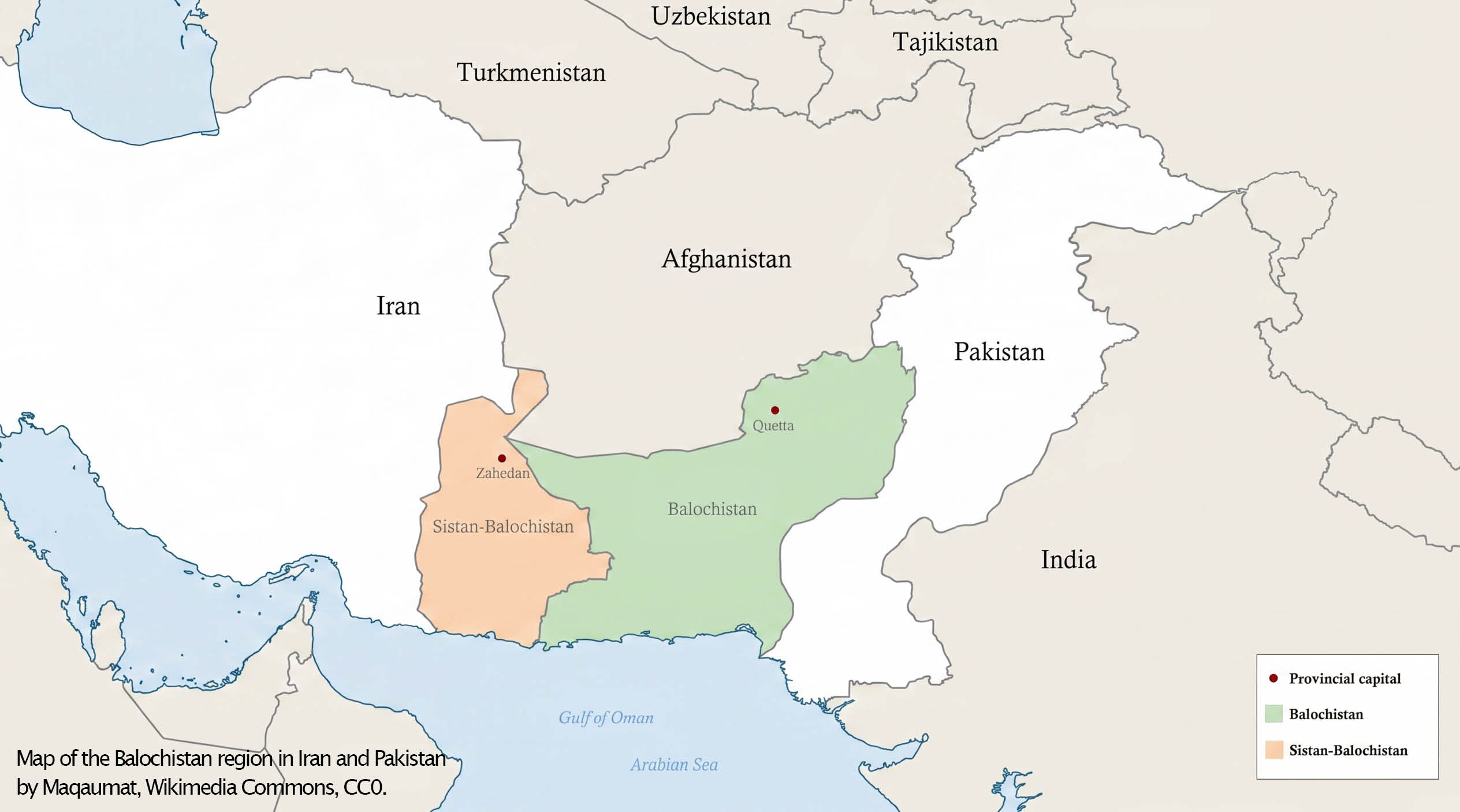
Mediation, Adaptation, and Survival: Pakistan in the West Asia Crisis

Pakistan is attempting to position itself as a mediator in the West Asia crisis during the conflict involving the United States, Israel, and Iran. This effort should be viewed not as a neutral peace initiative but as a calculated survival strategy. Islamabad seeks to convert its geopolitical relevance into economic, diplomatic, and security gains against a backdrop of economic fragility, high dependence on external actors, and persistent security threats on its borders. There are three primary motives behind Pakistan’s involvement:

Read More »
Homepage

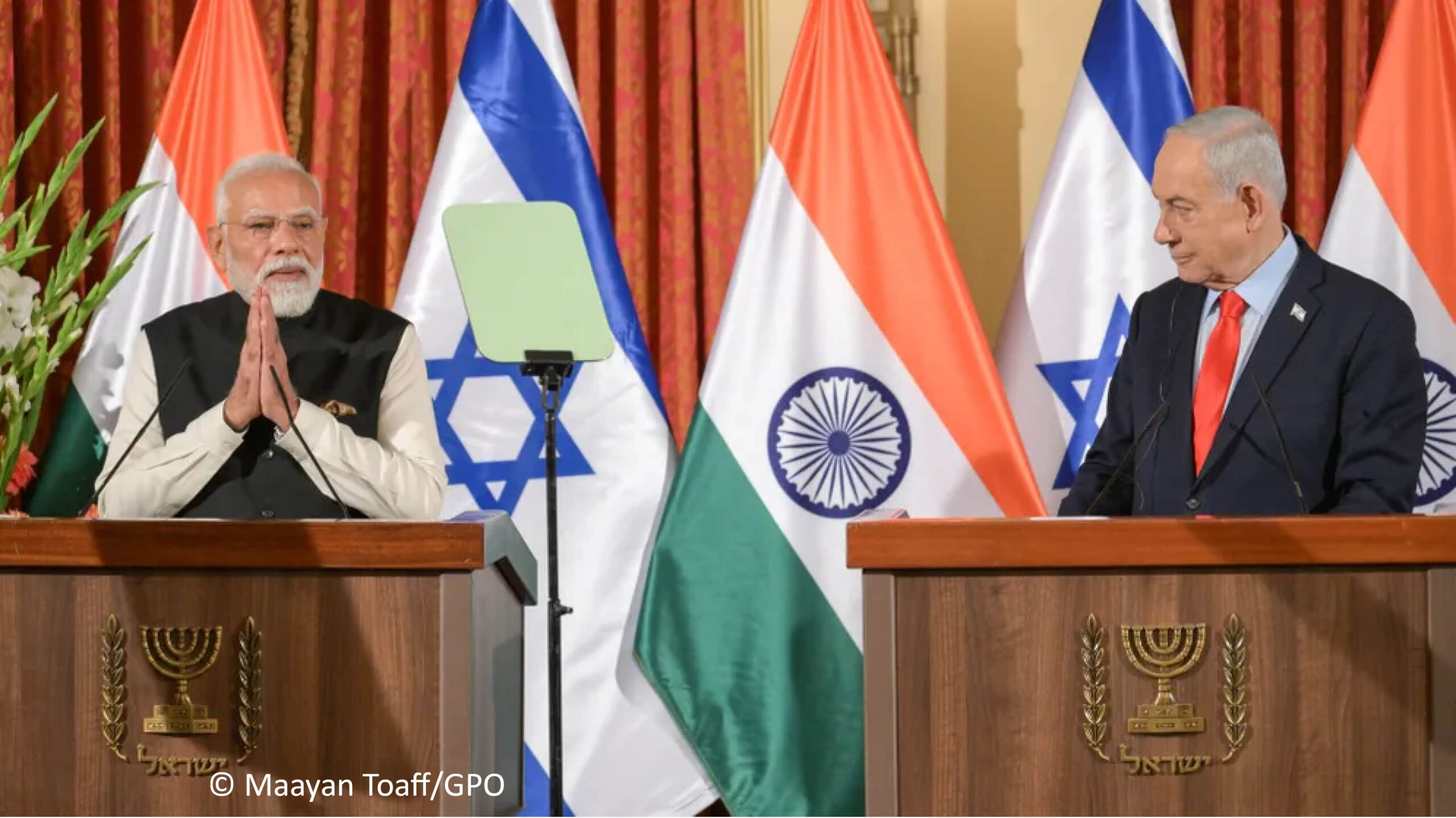
India-South Korea Relations in a Fragmented Strategic Order

The April 2026 meeting between South Korean President Lee Jae Myung and Indian Prime Minister Narendra Modi marks a shift in India-South Korea relations from economic engagement to strategic resilience amid a fragmenting international order. While the longstanding economic partnership, highlighted by the 2009 Comprehensive Economic Partnership Agreement, laid the groundwork for cooperation, current geopolitical tensions, including the war in the Persian Gulf, emphasize the need for enhanced collaboration in energy security, advanced manufacturing, and maritime stability. Both nations recognize

Read More »
Homepage

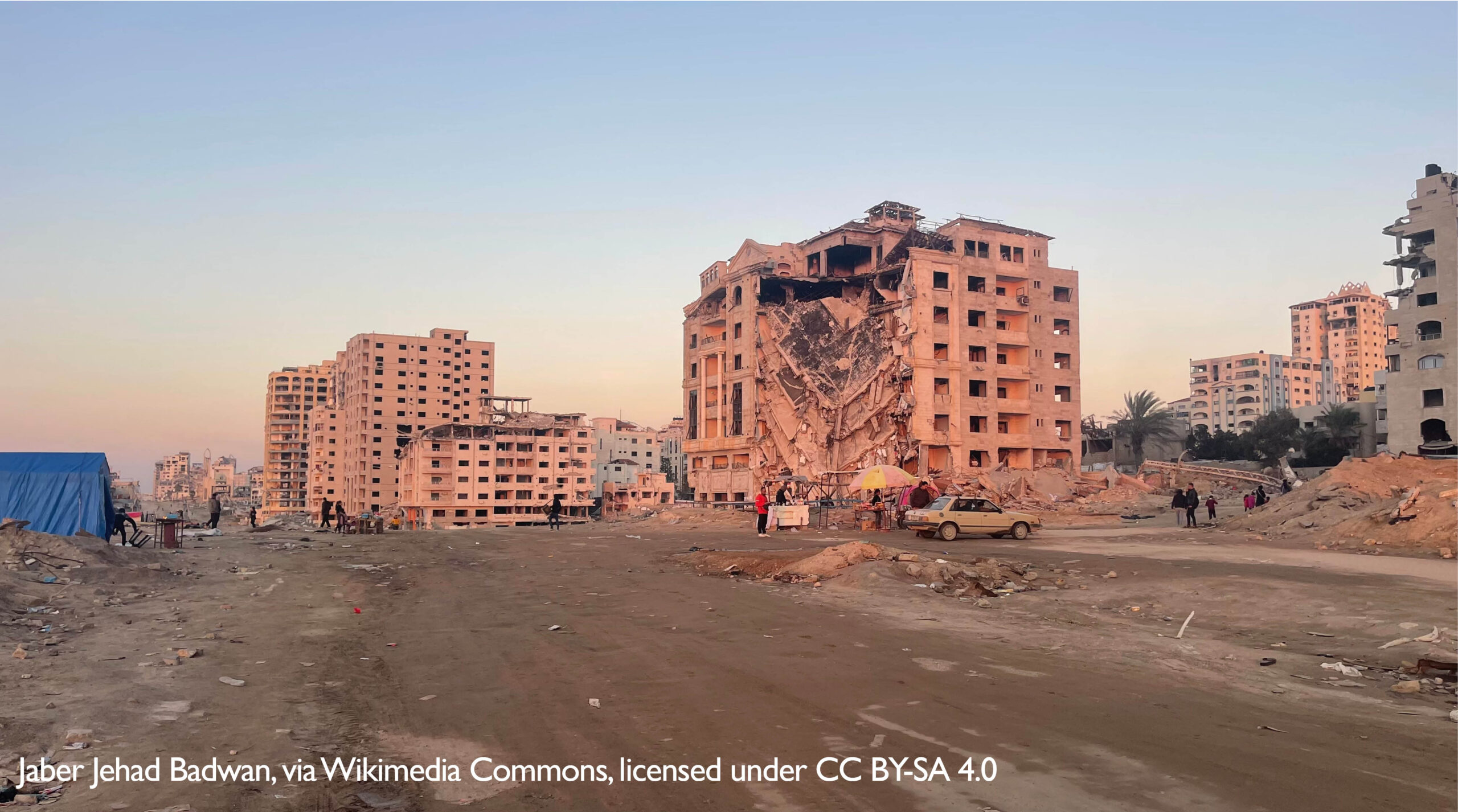
THE GAZA TERROR OFFENSIVE: The Iranian Chapter
30 March – 5 May 2026

In theory, there has been a ceasefire in place since 8 April in the war of the United States and Israel versus Iran and of Iran’s allies in Iraq versus the United States and Kuwait. There has also purportedly been a ceasefire in place since 17 April in the war of Israel versus Iran’s ally in Lebanon, Hezbollah. In fact, these are typical Middle Eastern ceasefires, meaning that fire has not ceased; it has merely reduced in volume.

Read More »
Homepage

Iran’s Strait of Hormuz Strategy: Leverage, Limits, and Regional Implications

Iran’s ongoing strategy of leveraging the Strait of Hormuz as a geopolitical pressure point is widely perceived as a source of strategic advantage. However, this assessment overlooks a fundamental reality: Iran is structurally more vulnerable to sustained disruption of the strait than are its regional adversaries. With the overwhelming majority of its oil exports and trade dependent on this corridor, any prolonged closure would inflict severe economic damage on Iran itself, exacerbating internal instability and limiting its strategic endurance.

Read More »
Homepage

The Other Iranian Energy Crisis: How Israeli Gas Disruptions Will Reshape East Mediterranean Energy Infrastructure

The global oil shock created by Iran’s closure of the Strait of Hormuz obscured a second energy crisis that unfolded much closer to Israel’s borders. The month-long shutdown of Israel’s Leviathan and Karish gas fields, caused by repeated Iranian and Hezbollah missile attacks, was the longest gas export disruption since Israel began supplying gas to Jordan and Egypt. This interruption, the third in the past two years, exposed how dependent Israel’s neighbors have become on Israeli gas for electricity generation,

Read More »
Homepage

Avoiding the Knife Fight: Defeating Iran’s Strait Strategy

Iran has long prepared to close the Strait of Hormuz in the event of a major conflict with the United States, hoping to trigger an energy shock, draw US naval forces into a confined battlespace, and impose enough cost to weaken Washington’s will. The US has been fully cognizant of Tehran’s intent for decades and planned accordingly. In the recent conflict, rather than accept a direct fight inside the Strait on Iranian terms, Washington and Jerusalem widened the campaign, degraded

Read More »
IDF spokesperson
Perspectives Papers

What is my country: Striving for power or Fleeing weakness?

The Epic Fury/Roaring Lion War is a litmus test for the power index of many countries. For the purposes of this paper, power resides in a country’s security and economic posture. In between the pole of the global main power (the United States) and the pole of many weak countries (Spain as a new member) the other countries exist on a continuum between two types: those that strive for power and those that flee from weakness. Based on a preliminary

Read More »
Homepage

Why Did Trump Go to War with Iran? It Wasn’t Just Bibi

The popular premise that Donald Trump decided to go to war with Iran because Benjamin Netanyahu asked him to is a misleading distortion. Trump’s decision was the product of a 40-year personal grudge, a hard lesson learned from Kim Jong-un’s nuclear immunity in Hanoi, and a cold-eyed calculation about China’s cheap Iranian oil lifeline. Trump saw an opportunity to shatter the Iran-Russia-China-North Korea axis in a single blow and to remind the world that American power is by no means

Read More »
Homepage

Deprived of Nukes, Iran Will Likely Ramp Up Its Chemical and Biological Weapons Capacities

Alongside Iran’s persistent progress towards nuclear weapons, which was recently stemmed – apparently for good – by Israel and the US, the Islamic regime possesses arsenals of other weapons of mass destruction, specifically chemical and biological weapons (CBW). Now that its nuclear strategy has been largely derailed, the Iranian regime is likely to continue to pursue and to considerably upgrade its ballistic capabilities, particularly in terms of CBW warheads. Ballistic CBW warheads (possibly including radiological weapons as well) will thus

Read More »
Homepage

After the Iran War: Israel and the Threat of Nuclear War

US Vice President J.D. Vance returned from Pakistan without achieving an Iran war settlement. For Israel, this failure is concerning not just because it signifies continuing nuclear danger from Iran, but because it portends further regional destabilization and nuclear proliferation. For Israel, nuclear threats are not just about Iran. Even a favorable end to the current war could produce another dangerous enemy or configuration of enemies. Over time, this adversary (e.g., Egypt, Turkey, Saudi Arabia) could create a new

Read More »
Homepage

The Indo-Pacific:
Challenges and Opportunities

The Indo-Pacific region is at the center of global geopolitical and geoeconomic dynamics. The region, encompassing pivotal powers such as Japan, India, China, and the United States, is a focal point for international relations, underscoring its significance as a power center. Over the past 25 years, the trajectories and implications of current events and policies in the region have strikingly shifted, with China taking on the role of rival. In view of the current conflict in the Persian Gulf, the

Read More »

Accessibility Toolbar