BESA Internship Program

Amos Ben Gershom/GPO
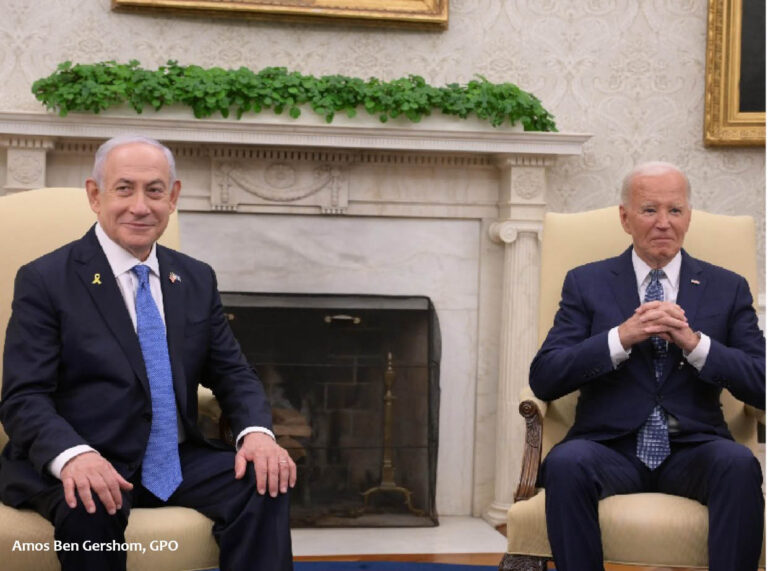
With the 2024 US Presidential election quickly approaching, President Joe Biden’s response regarding the Israel-Hamas war was under intense scrutiny. Throughout his political career, President Biden has maintained a firm pro-Israel stance, yet he faced a divided Democratic party with both strong pro-Israel and vocal pro-Palestinian factions during his re-election campaign. In his State of the Union address in March 2024, President Biden underscored Israel’s right to defend itself while simultaneously emphasizing the need to protect Palestinian civilians, an attempt to appeal to diverse voter demographics. Strategic initiatives including the Gaza Pier and signing H.R.815 display his support for both Palestinian humanitarian aid and Israeli security. Nonetheless, President Biden’s sporadic threats to withhold military support to Israel and the perceived oversight and neglect of American hostages have fueled criticism and debate and have raised concerns about the impact of an election on the US-Israel relationship. It begs the question of how President Biden’s conflicting rhetoric will impact Vice President Kamala Harris’s approach to the Israel-Hamas war, especially in relation to her impending candidacy nomination.

Since the breakup of Yugoslavia, Israel has established diplomatic relations with each of the now seven countries that once comprised it.  While Marshal Josip Broz (Tito) was party to a complicated relationship with Israel and the Palestinian Liberation Organization until his death in 1980, since their independence, each of the seven states has pursued and been subject to dramatically different ties with the Jewish state.  This article observes each of the seven bilateral relationships as concise case studies of how predominantly regional actors interact with counterparts in other areas of the world and how adaptations to both internal and predominantly external factors shape these relationships.
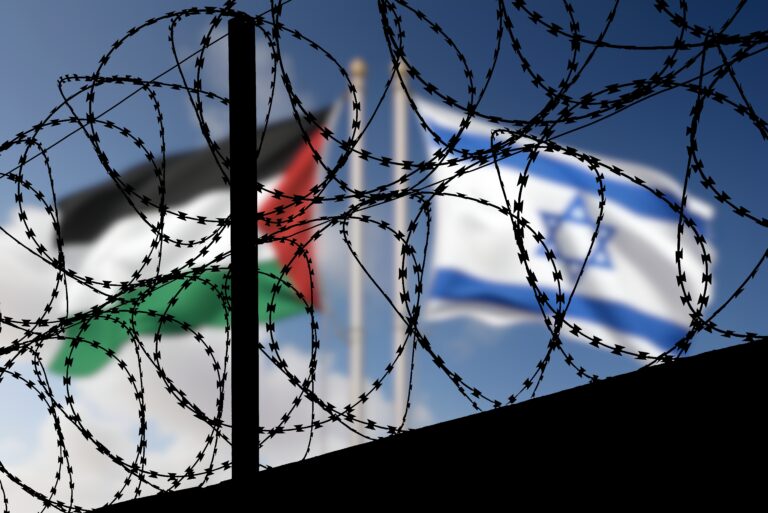
The continuing Gaza War has ignited global outrage, fueled not only by Hamas' attacks but also by the broader ongoing Israeli-Palestinian conflict.  This situation evokes strong reactions due to historical parallels drawn by people worldwide.  Protests and governmental pressures have reached unprecedented levels, overshadowing other humanitarian crises.  Influenced by these analogies, media focus shapes foreign policies in ways that may not fully address the conflict's complexities.  This has led to a PR crisis for Israel, marked by widespread negative perception and scrutiny, complicating efforts toward peaceful resolutions.  Understanding these dynamics is crucial for creating informed and effective policies that balance Israeli security with Palestinian aspirations.
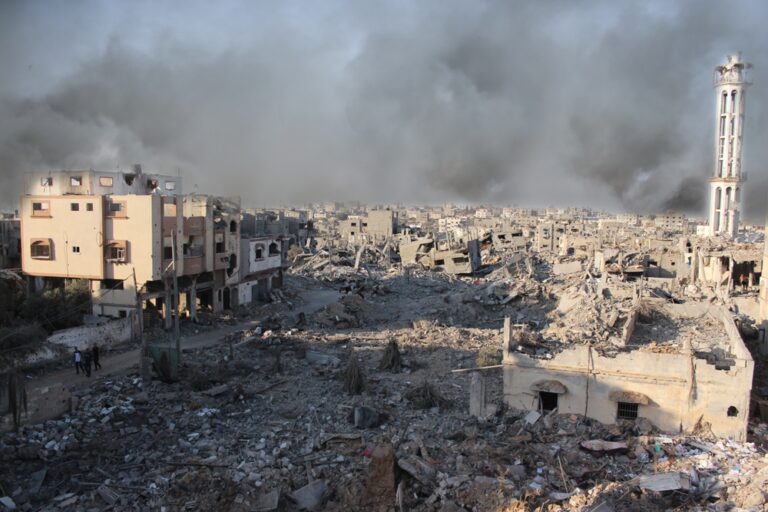
The ongoing Israel-Gaza conflict has devastated large portions of the Gaza Strip as Israel seeks to dismantle Hamas following their attack on October 7th.  This offensive has left many neighborhoods in ruins, driven hundreds of thousands into homelessness, and crippled Gaza's economy, raising fears of a humanitarian crisis.  With Hamas significantly weakened after a year of fighting, Israel faces the challenge of developing a post-war reconstruction plan to ensure long-term stability.  Drawing inspiration from the Marshall Plan, Israel must prioritize rebuilding critical infrastructure, establishing governance, and revitalizing the economy.  This involves temporarily assuming control to maintain order, providing essential services, and fostering community governance.  By empowering local leaders and promoting civic engagement, Israel aims to transform Gaza from a conflict-ridden area into a stable region.
Amos Ben Gershom/GPO
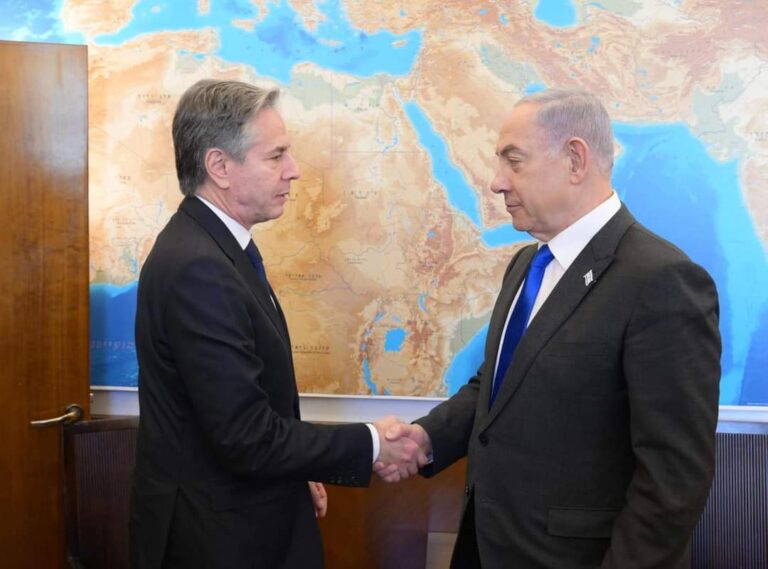
The United States has steadfastly supported Israel since 1967, wielding significant influence over its allies' policies as a global hegemon.  However, Israel's international standing has faltered amid its war with Hamas in Gaza.  Concurrently, internal and external pressures have contributed to a waning of support for Israel within the Biden administration, despite President Biden's pro-Israel worldview.  The United States has traditionally set the standard for how its allies engage with Israel.  However, a shifting U.S. stance has emboldened other nations to adopt anti-Israel policies and rhetoric.  This shift has tarnished Israel's reputation among ordinary citizens in these countries and led to a reduction in political, financial, and military support. With President Biden stepping down as the democratic nominee, he in his remaining months in office and his successor in the years to come face the challenge of balancing pro-Israel policies with increasing discontent from a segment of the American voter base.  Israel looks to President Biden to continue advocating for its military objectives, including the elimination of Hamas and the release of 120 Israeli hostages in Gaza.  Failure to do so may result in further erosion of support from Israel's other allies, a trend already beginning to emerge. 
IDF Spokeperson
The Israeli defense industry is a pivotal extension of the nation's foreign policy, leveraging its technological advancements in air defense, UAV production, avionics, and cybersecurity to forge and strengthen diplomatic ties.  Israel, while maintaining its sovereignty in defense production since the 1967 French arms embargo, has utilized its sophisticated weapons exports to cultivate mutually beneficial relationships and strategic alliances globally.  In Asia, Israel's defense ties with India, South Korea, and the Philippines have bolstered its geopolitical influence, while in Europe, its advanced missile defense systems have become crucial amidst the Russian-Ukrainian conflict.  Despite the ongoing war with Hamas and its repercussions on international relations, Israel's defense industry continues to play an integral role in its foreign policy.

Accessibility Toolbar