PSCRP-BESA Reports No 133 (June 04, 2025)
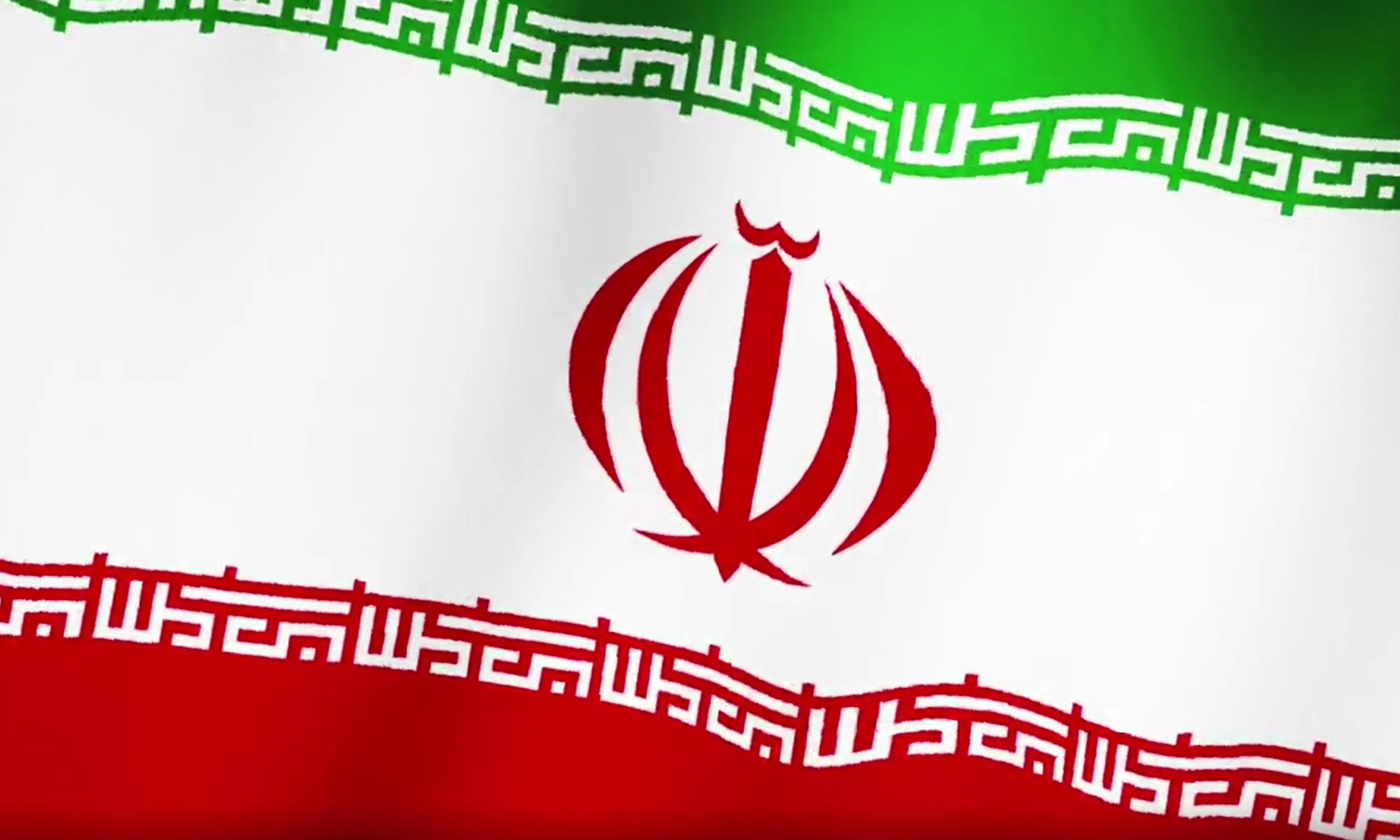
On May 15, a free trade agreement between Iran and the Eurasian Economic Union came into force, cutting tariffs on most goods traded between the Islamic Republic and the bloc’s members. The deal reflects a broader effort by Tehran to expand its influence across Central Asia, using trade, infrastructure, and political ties to embed itself more deeply in the region’s economic architecture.
As Western attention has drifted away from Central Asia, and Russia’s dominance has weakened under the strain of sanctions and war, Iran is steadily positioning itself as a vital link in the region’s trade and transit networks. This effort is part of Tehran’s long-running strategy to counter its own international isolation and to leverage its geographic position between East and West.
Tehran’s campaign comes at a moment of opportunity. The five Central Asian republics — Kazakhstan, Uzbekistan, Turkmenistan, Tajikistan and Kyrgyzstan — are increasingly seeking alternatives to the traditional transit routes that have tied them to Moscow or made them dependent on Chinese infrastructure. Iran offers an appealing option: a gateway to the Persian Gulf and Indian Ocean, access to European markets via Turkey, and industrial and technological partnerships that diversify the region’s economic relationships. Recent months have seen a flurry of high-level diplomatic exchanges, with Iranian officials visiting Dushanbe, Tashkent and Astana, while Central Asian leaders have reciprocated with state visits to Tehran, underscoring the deepening political dimension of these ties.
The Strategic Pivot
The centerpiece of this strategy is Iran’s so-called Look East policy. Promoted by Supreme Leader Ayatollah Ali Khamenei since the late 2010s, the policy aims to pivot Iran’s diplomatic and economic focus toward China, Russia and Central Asia. The approach accelerated after the collapse of the 2015 nuclear agreement with world powers and the reimposition of U.S. sanctions.
On paper, the policy has produced some success: Iran has joined regional organizations such as the Shanghai Cooperation Organization and secured trade agreements with the Eurasian bloc. China is now Iran’s main oil buyer. But analysts note that Tehran’s eastern partnerships remain largely transactional. As Alex Vatanka wrote for Perry World House, “These relationships are driven more by pragmatic opportunism than by ideological solidarity or durable alliances.” Iran’s leadership sees ties with China and Russia as a hedge against U.S. pressure, not as permanent alliances.
This realism underpins Tehran’s careful courtship of Central Asia. While Chinese investment remains dominant in many sectors, the Central Asian states are wary of overdependence on Beijing and eager to diversify their economic ties. Iran is positioning itself as a reliable, geographically logical alternative.
Until recently, Iran’s economic footprint in the region was modest. It is changing rapidly. In 2022, trade between Iran and Kazakhstan surpassed $500 million, with both sides targeting $1 billion with a prospect of $3 billion. Trade with Turkmenistan is expected to increase by more than 30 percent, with strengthening ties in private sectors of both countries. Commerce with Tajikistan reached nearly $380 million, supported by joint projects in energy, pharmaceuticals and engineering. These figures are growing as Tehran pursues deeper ties.
Control of Key Corridors
Iran’s strategic importance lies not only in trade volumes but in its control of key transit routes. The country is now a critical node in the evolving Eurasian Land Bridge, a network of rail and multimodal corridors linking China with Europe through Central Asia and the Middle East. Two main routes — one via Kazakhstan, Uzbekistan, Turkmenistan, Iran and Turkey; the other via Kyrgyzstan, Uzbekistan, Turkmenistan, Iran and Turkey — offer shippers an alternative to Russian-controlled corridors and to the congested maritime path through the Suez Canal.
Iran’s geography gives it an advantage. Goods traveling through Iran can reach Europe via Turkey’s modern rail system, bypassing Russian bottlenecks. Iran also connects Central Asia to the Persian Gulf and Indian Ocean, providing outlets for exports that would otherwise be trapped inland.
The linchpin of Tehran’s southern strategy is Chabahar Port, a deep-water facility on the Gulf of Oman developed in cooperation with India. In May 2024, India and Iran signed a 10-year agreement to operate and expand the port, which is largely insulated from U.S. sanctions due to Indian involvement. Chabahar offers Central Asian exporters a critical southern outlet, bypassing both Pakistan and Russian routes. Uzbekistan and Kazakhstan are negotiating to join the Chabahar transit framework, which would further entrench Iranian control over regional trade.
Industrial Influence and Political Risks
Beyond transit, Iran is cultivating industrial partnerships. Iranian firms are pursuing joint ventures in energy technology, pharmaceuticals, water management, construction and agriculture. These projects not only generate revenue but also create deeper supply-chain dependencies, giving Tehran additional levers of influence.
Iran’s ambitions are not purely economic. In regions such as Tajikistan, Iranian-backed cultural and religious initiatives are already underway, raising concerns in some Western and regional circles about Tehran’s potential to build proxy networks. Iran’s track record in the Middle East — where it has used similar methods to shape politics in Lebanon, Iraq, Syria and Yemen — suggests that it could employ the same tactics in Central Asia if given the opportunity.
The stakes are high. The more Central Asian trade depends on Iranian corridors and infrastructure, the more leverage Tehran will have over the region’s foreign policy. This could affect voting patterns in international forums, participation in sanctions regimes, and regional alignments.
Iran’s deepening engagement with Central Asia is no accident. It reflects a deliberate strategy to exploit power vacuum and turn the Islamic Republic into a central player in the region’s economic and political landscape. In a world where Russia is distracted, China is cautious and Western influence is fading, Tehran’s expanding role in Central Asia deserves careful attention — not only from regional governments but from global powers that still hope to shape the future of Eurasian trade and diplomacy.
PSCRP team