China

US world power rests upon its ability to dominate the seas and the world's commercial and military routes. Any power aspiring to a similar position goes against American geopolitical interests. China’s naval successes in the past decade or so therefore have far-reaching effects as the country is gradually becoming more experienced in military operations in far-flung regions across the globe.
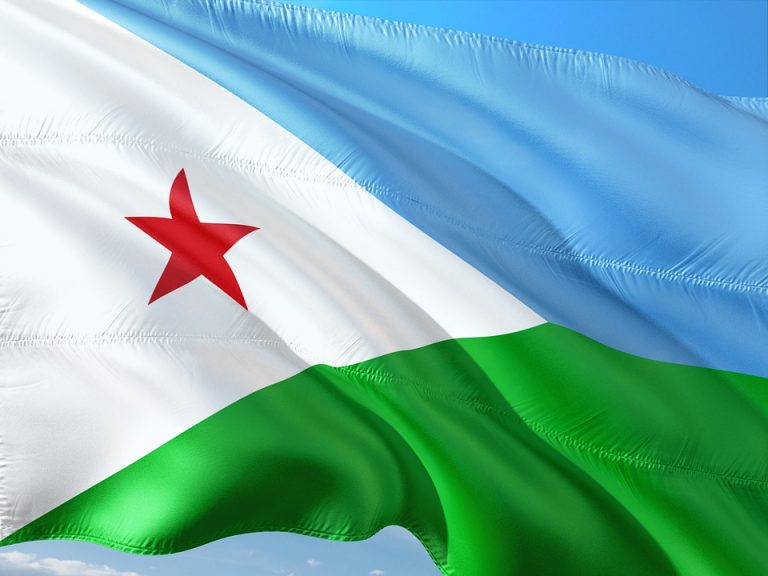
Following decades of non-intervention policy in the MENA region, China is now establishing a permanent military base in Djibouti. This study analyzes the motivation behind China's decision to establish a permanent naval presence in Djibouti, and whether it reflects a fundamental change in its non-interference policy in the MENA region. The findings show that geo-economic interests are the primary consideration in China's decision, but there are also strategic military purposes. China’s non-interference policy in the MENA is evolving, and establishing a regional military presence seems to be taking a further significant step, showing a clear departure from its traditional interpretations of non-interference. Consequently, the Djibouti naval base may be just the beginning of China’s military expression of power in the MENA region.
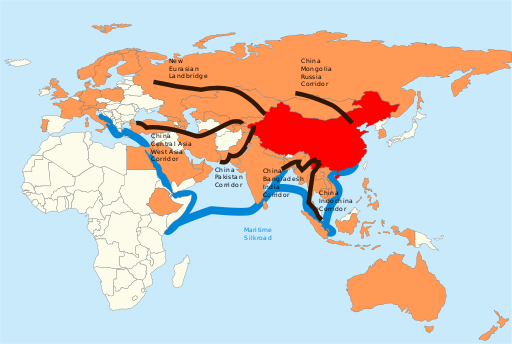
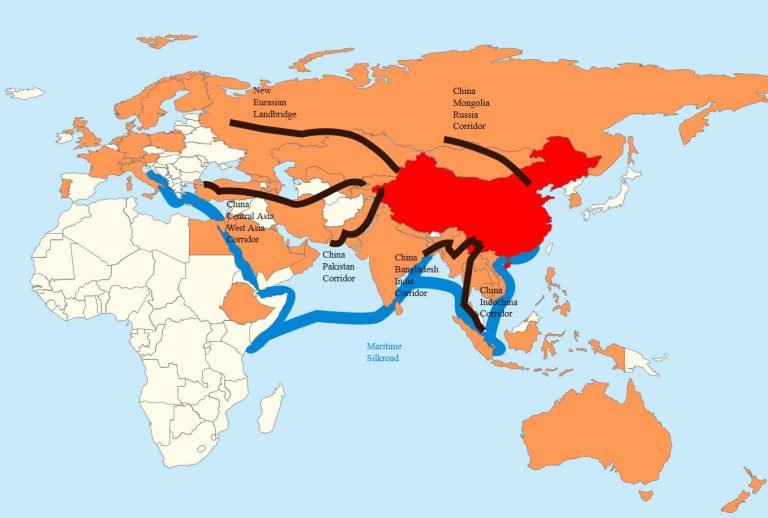
Chinese Eurasianism, which – if the Belt and Road Initiative (BRI) is successful – will give Beijing new foreign policy tools to use against Washington, could prove more threatening to the US in the long run than the USSR was during the Cold War.
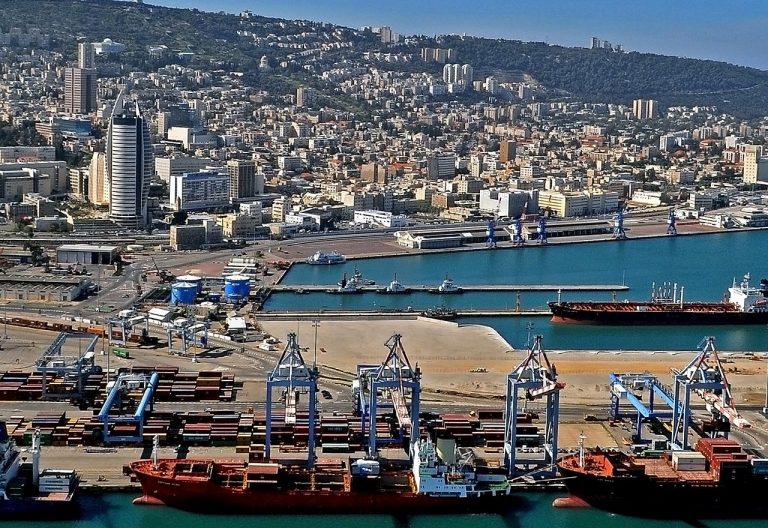
The Mediterranean Sea, one of the most important maritime trade highways in the world, is the marine traffic hub at the western end of China’s Belt and Road Initiative. Beijing’s maritime strategic activities in the Mediterranean consist mainly of constructing and operating ports and railways to open up new trade links between China and the Eurasia-Africa zone. However, the implementation of a Chinese Maritime Silk Road via the Mediterranean cannot succeed unless there is a way to bridge the gap between economic interests and the capacity to protect those interests.
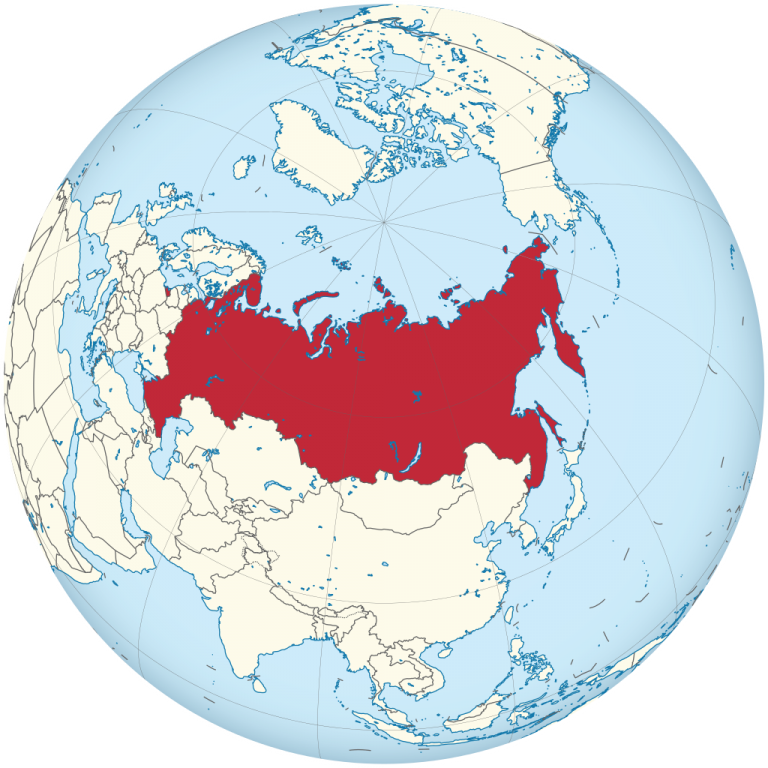
China and the US have different geopolitical imperatives, so tensions are bound to increase between the two powers. Russia’s position in the nascent confrontation will be important to watch, as it is simultaneously under pressure from the West and in the shadow of Chinese economic strength. Russia will likely see US-China competition as providing an opportunity to improve its own geopolitical position.
The “informal summit” between Indian Prime Minister Narendra Modi and Chinese President Xi Jinping at Wuhan in China in late April generated worldwide interest. Aimed at sidestepping contentious issues and enhancing greater strategic communication at the leadership level, the summit witnessed the two leaders recognizing the “common threat” of terrorism and expressing commitment to cooperate on counter-terrorist measures. However, an issue that largely escaped attention is an agreement between them to work jointly on economic projects in Afghanistan. This has been interpreted as Beijing’s message to Islamabad that China “approves” India’s positive role in stabilizing Afghanistan, a fact already recognized by the Trump administration in its new Afghan policy.
Now that Donald Trump has exited the 2015 JCPOA nuclear deal with Iran, there is more at stake for the other signatories than either their belief in the deal’s virtues or their eagerness to salvage economic opportunities. Maintaining the deal without the US would deliver a severe blow to American credibility and perceptions of US power. China has long experience circumventing sanctions regimes, but the environment surrounding the reimposed sanctions is likely to be unusually confrontational.

Accessibility Toolbar