China

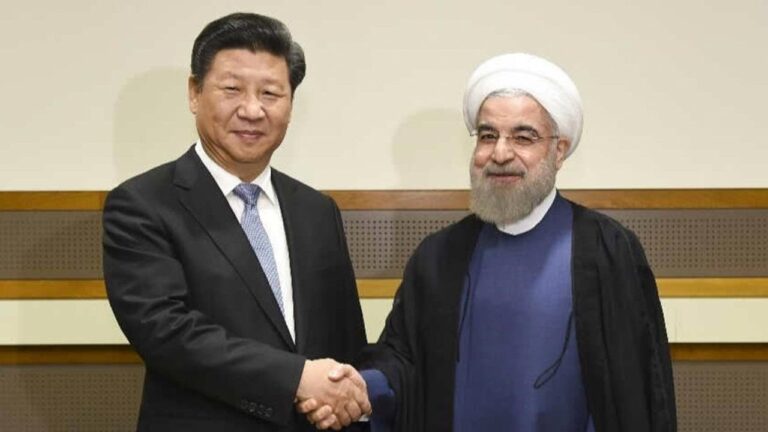
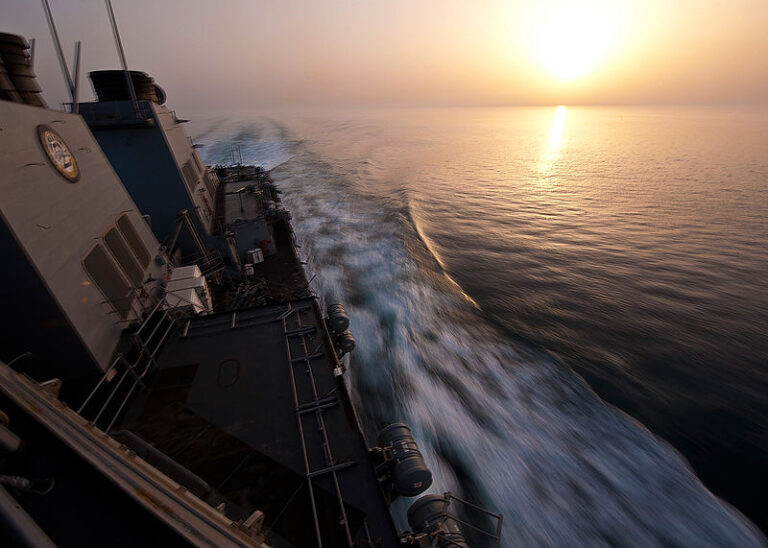
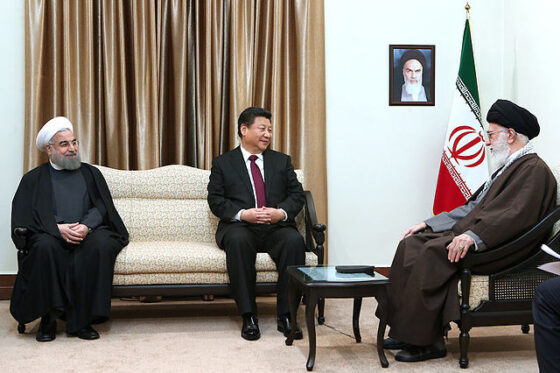
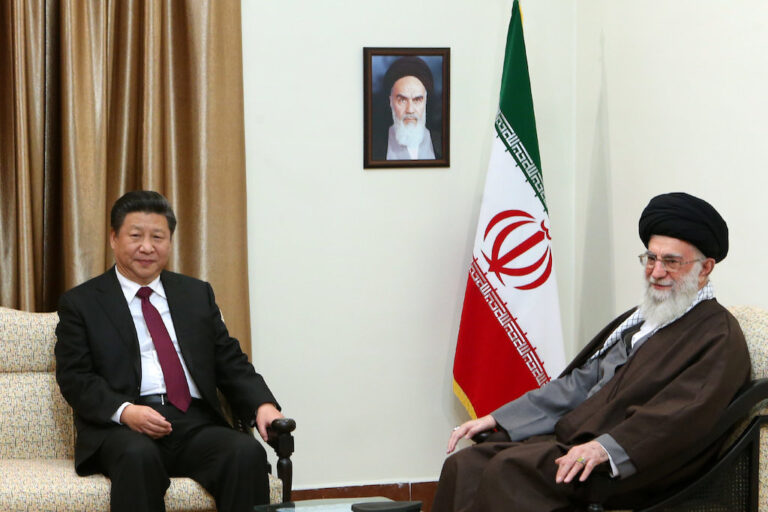
The newly announced Iran-China 25 Year Comprehensive Partnership is unprecedented in its scope. It contains a “mystery clause” that gives China control over how Iran spends its resources, which could ultimately amount to Iran’s selling its sovereignty to Beijing. The close military collaboration between the countries also has major implications for the decades-long US domination of the Gulf and large stretches of the Indian Ocean.
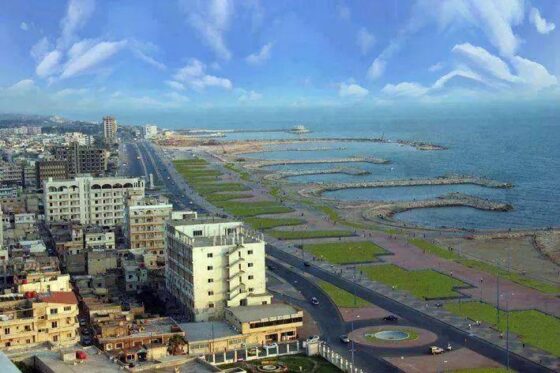
China looms large as a potentially key player alongside Russia and Iran in President Bashar Assad’s post-war Syria. With Russia and Iran lacking the financial muscle and the US and Europe refusing to engage with the Assad regime, China is, from Syria’s perspective, a shining knight on a white horse. Syria could become a key node in China’s infrastructure, telecommunications, and energy-driven Belt and Road Initiative (BRI)—but it could also drag China closer to the Middle East’s multiple conflicts.

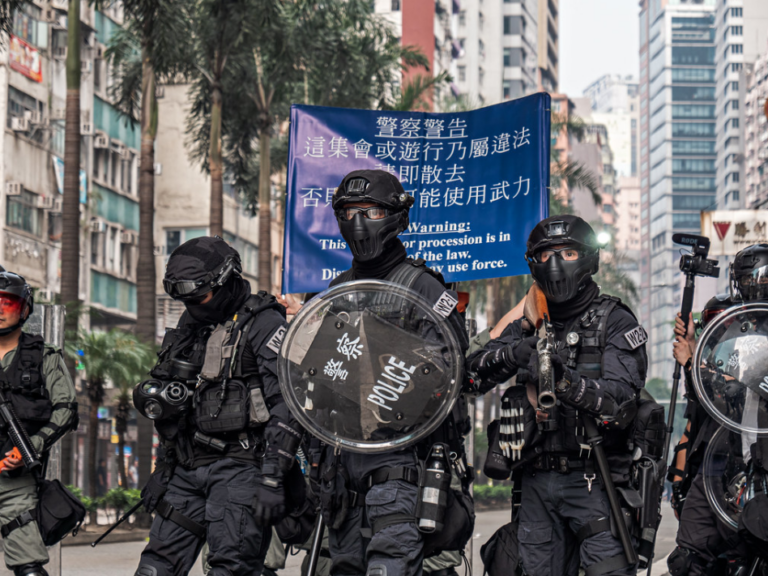
In 1997, after 156 years of British rule, the United Kingdom transferred responsibility for the city-state of Hong Kong to China. Twenty-three years later, in 2020, China enacted a security law that extends its powers over Hong Kong in contravention of the terms of that transfer. In doing so, Beijing is signaling its determination to expand its area of ​​control and influence even in the face of international criticism.
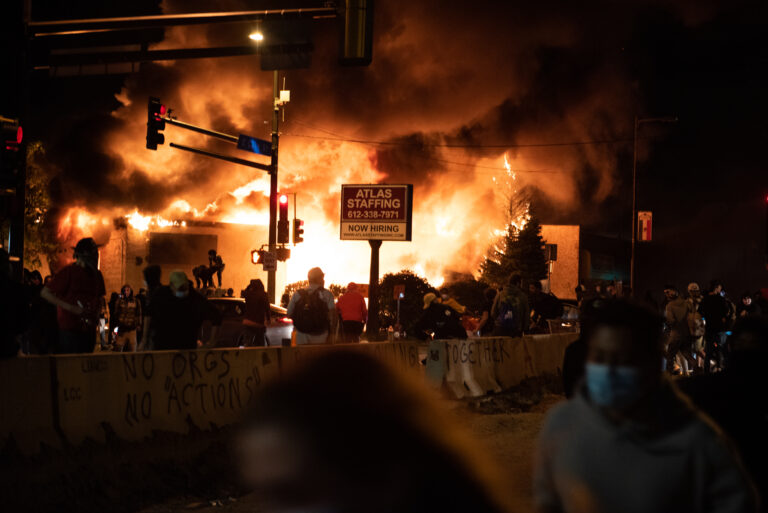
The state-controlled Chinese media enthusiastically covered the protests and rioting attending the George Floyd killing. It compared the American protests to the protests in Hong Kong and used the rioting and violence in the US as evidence that the democratic system is hypocritical and morally bankrupt.
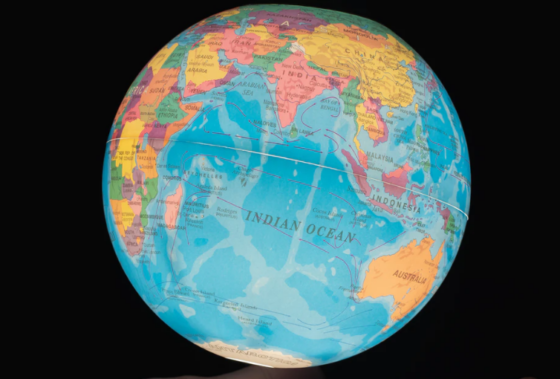
The world is witnessing the rise of a new geopolitical concept: the Indo-Pacific. The shift of American attention toward the Indo-Pacific could create more room for maneuver for Russia and Iran in their respective neighborhoods over the long term.
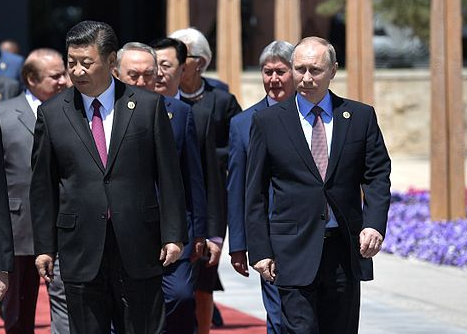
Russia’s position is crucial in the unfolding US-China competition. There are two likely scenarios. In one, Russia is able to maneuver between the powers and score geopolitical goals in its neighborhood and in the Middle East. In the other, Russia is cast by the West as an outright enemy, leaving little room for compromise and allowing the country to fall further under Chinese influence.
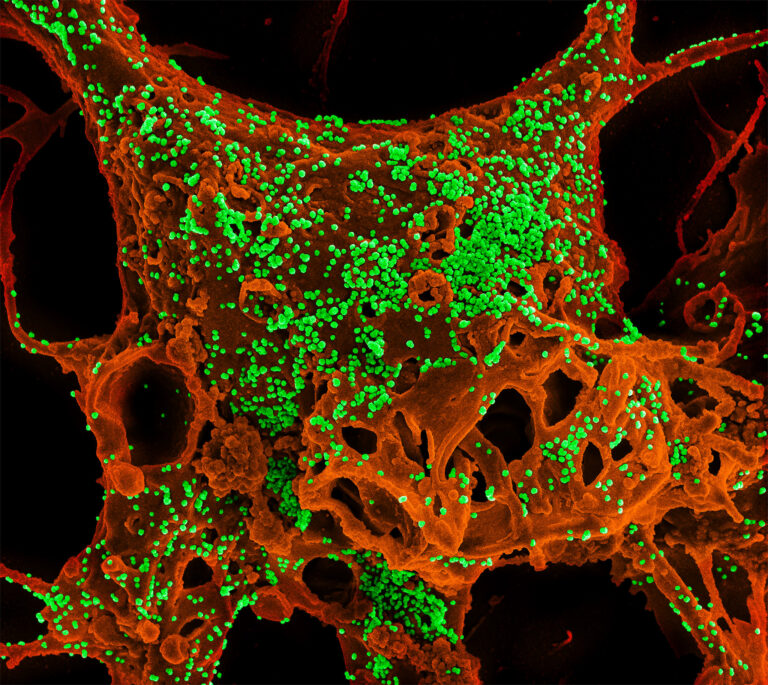
The Middle East was already plagued by war, famine, and wholesale death in the form of multiple civil wars when the outbreak of Covid-19, a novel coronavirus, added pestilence to the mix. The pandemic offers a unique prism through which to assess the way China interacts with Middle Eastern states in time of crisis.

Accessibility Toolbar