China

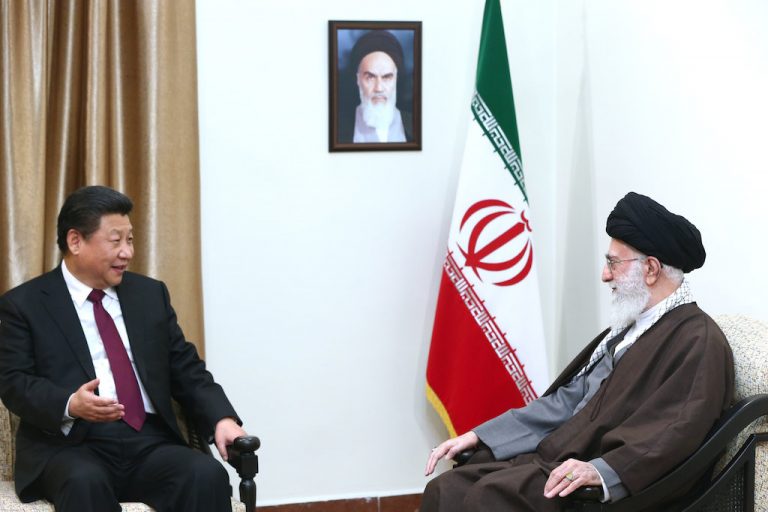
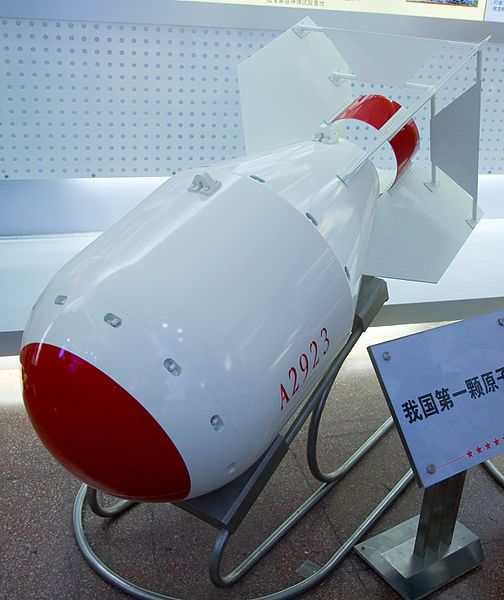
The US president’s threats that the Iranian nuclear agreement has to be reevaluated, and Saudi Arabia’s intention to continue the quest for nuclear capabilities if Iran persists in its efforts, are of great concern to the international powers. Here we examine possible responses of China to these issues.
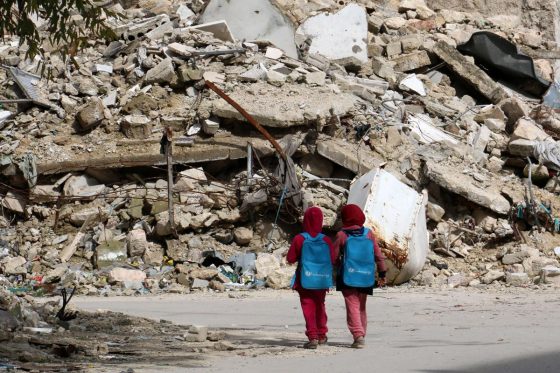
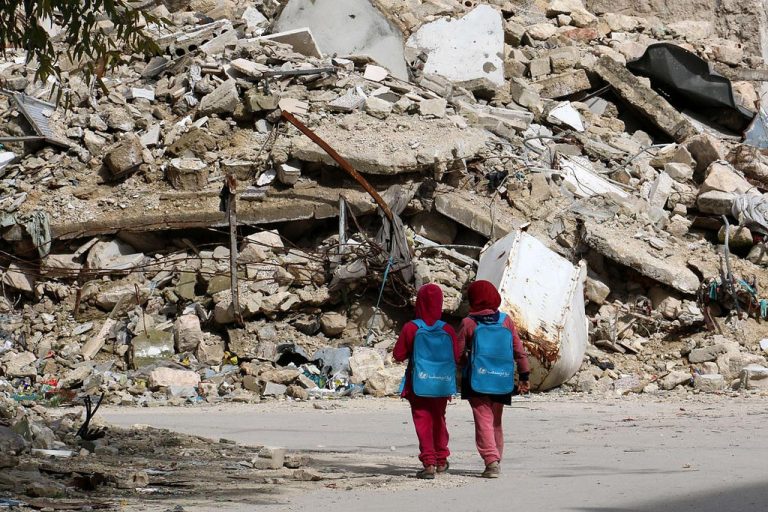
The fighting in Syria, which began in 2011, between President Bashar Assad and the opposition forces, seems to have reached its final stages. It is almost certain that Assad will remain in power. He will be the one to lead Syria in the coming years, and he will have to deal with the reconstruction of the ravaged country. In the interests of the Syrian people as well as the West, including Israel, it is wise to support China in its efforts to lead the reconstruction.
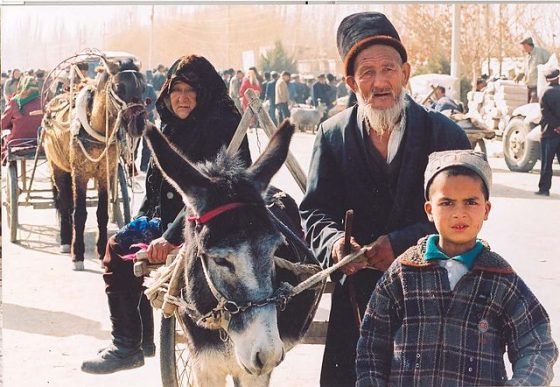
The assumption that economic investment aimed at increasing modernization and raising standards of living will weaken ethnic identity and strengthen a minority’s sense of belonging has been disproven in the case of the Xinjiang Autonomous Region (XUAR) in western China. Uyghur nationalism is increasing despite significant economic investment by the Chinese government, raising questions about the effectiveness of economic development programs designed to close gaps and diminish polarization between different groups.
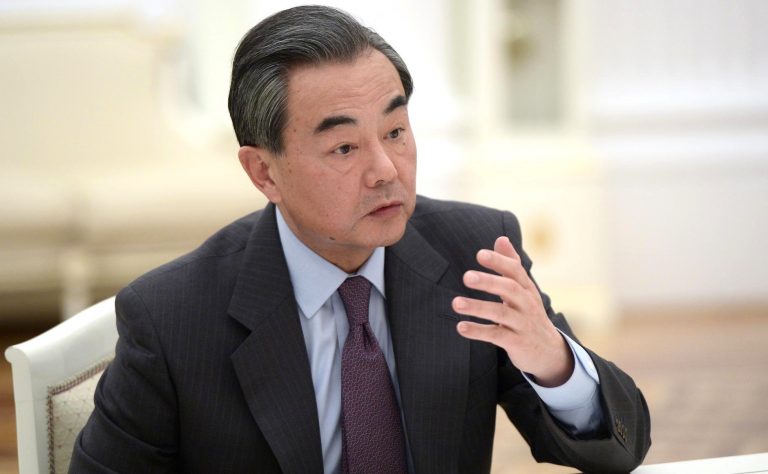
On December 23, 2017, Chinese Minister of Foreign Affairs Wang Yi observed that “it’s been seventy years since the UN adopted the decision to create a Palestinian state, but seventy years later, a Palestinian state is yet to be created.” Other Chinese voices in recent years have made similar statements on the Israeli-Palestinian conflict. Why the Chinese preoccupation with this issue? Perhaps because words and gestures allow Beijing to show involvement while avoiding intervention.
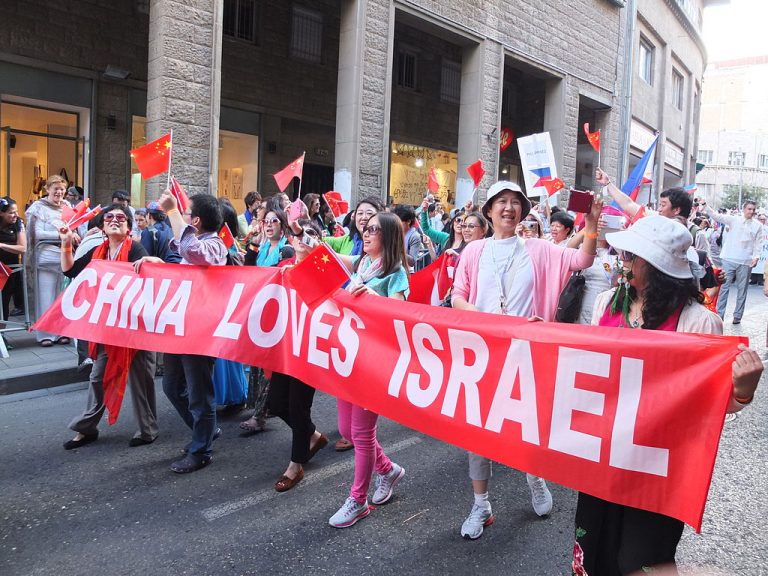
While he was on the campaign trail, Donald Trump promised to recognize Jerusalem as the Israeli capital and start plans to move the US embassy from Tel Aviv to Jerusalem. On December 6, 2017, he made good on that promise. Like media elsewhere around the world, Chinese newspapers – which express the positions of the central government in Beijing – had much to say on the matter. The Chinese responses cast light on two areas: Israeli-Chinese relations and Chinese foreign policy towards the greater Middle East.
As the Syrian civil war enters its final stages, China appears determined to take on a central role in Syria’s reconstruction. One factor motivating China’s involvement is the presence of a large number of Uighur jihadists among the anti-government forces. Another is the "One Belt-One Road" initiative – a planned attempt to establish and control a modern day Silk Road connecting China, the Middle East, and Europe. The increasingly active role China is playing in Syria might mark a shift in the geostrategic reality of the region. 
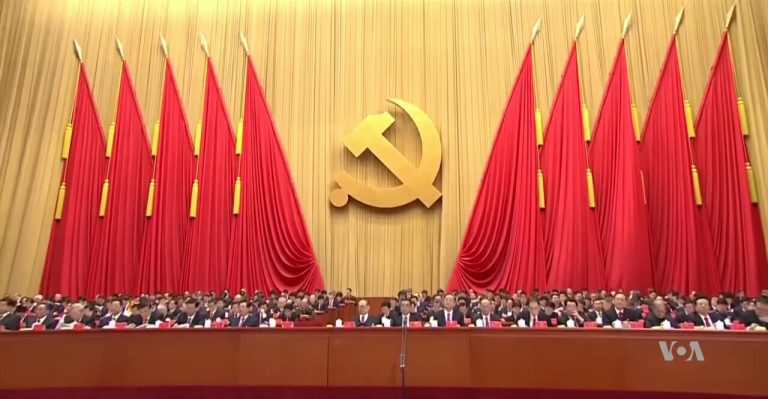
On October 18, 2017, representatives of the Communist Party of China (CPC) met for their party conference, which takes place every five years. At the event, President Xi Jinping significantly consolidated his position in the party and the state. The Chinese leadership is facing complex challenges, but also has much to be proud of. The party is showing strength and stability, and is taking steps to demonstrate that China has leaders who can take the country forward to face the challenges of the future – even if its approach does not always comport with a Western worldview.
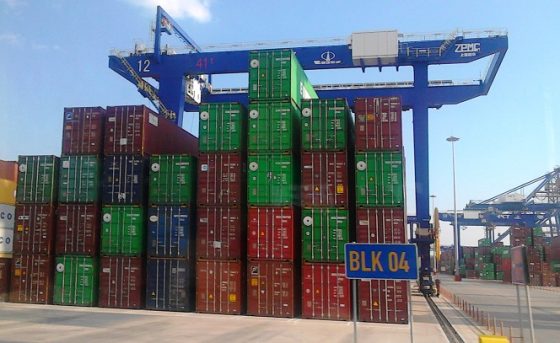
China’s "Belt and Road" initiative signals the continuation and expansion of a pre-existing incremental policy that aims to strengthen China's economic and geopolitical roles, though Beijing’s long-term approach remains unclear. The initiative does not immediately bring Greece and Israel closer. But it gives the two countries an opportunity to discuss China’s new role in the Mediterranean and to maximize bilateral relationships with Beijing without challenging their pro-West orientation.
In recent months, Germany and France have expressed skepticism and raised security concerns about the implications of Chinese investments in Europe. The 2017 State of the Union speech by the President of the European Commission, Jean Claude Juncker, reflected those voices, marking the beginning of a new period in Sino-European relations. The EU seems determined to be more careful about welcoming future Chinese business interests and is devising a screening model. However, it remains to be seen whether or not the new European strategy will be efficient, as the EU  needs foreign cash and investment.
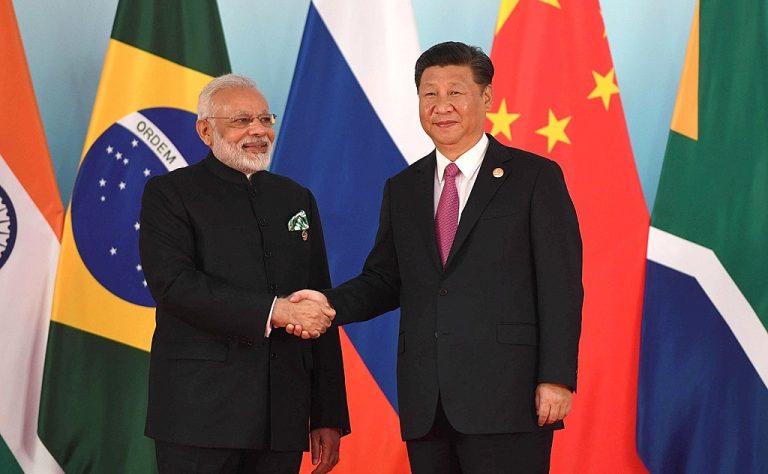
On September 3, the heads of the BRICS states gathered for a summit. At the event, Chinese President Xi Jinping once again presented his way of thinking about his role in the global arena, a role he believes should focus on economic and trade issues. His approach downplays the issues of North Korea’s nuclear pursuit and the persistent global problem of terrorism, raising questions about his ability – or indeed hi desire – to take on a world leadership position. 

Accessibility Toolbar