China

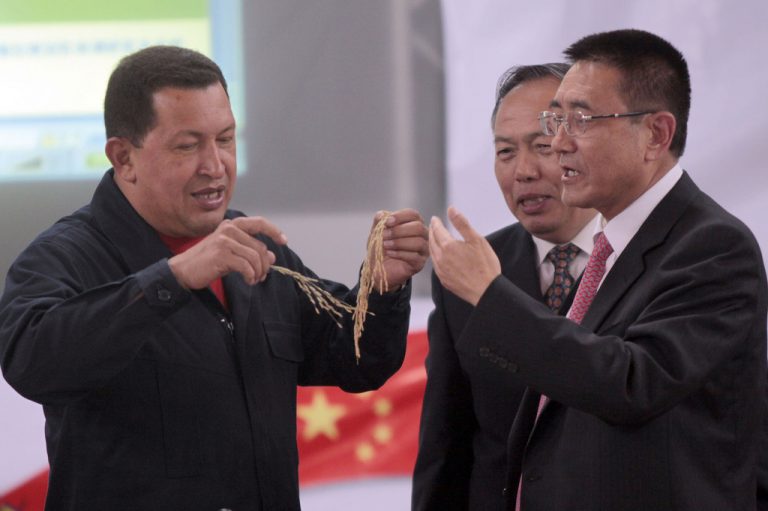
China has had relationships with Venezuela and Congo – countries that have experienced severe internal difficulties of late – for dozens of years. In Venezuela, China has chosen not to intervene and has withdrawn its investments. Though Beijing has yet to respond in any significant way in Congo, it can be assumed that it will take a similar approach. It does not appear that the conflicts in Congo, though they are accompanied by some financial risk to China’s economy, will affect Beijing’s overall policy regarding foreign intervention.
Donald Trump’s decision to abandon the Trans-Pacific Partnership (TPP) marks a fundamental change from Barack Obama’s priorities. It could also create a policy vacuum in Asia, as the US is no longer the driving force behind regional integration. China, which sees new opportunities in the American withdrawal, is attempting to foster its own integration schemes – but it remains unclear whether it will be able to replace the US as the world’s globalization leader.
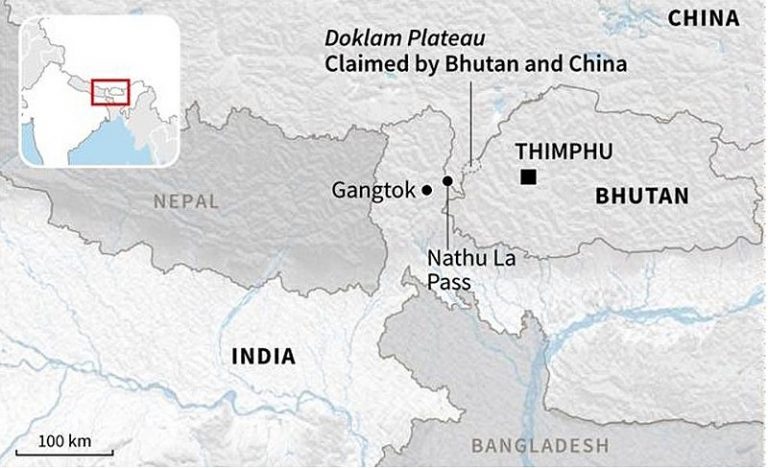
On July 24, 2017, China warned India “not to push its luck” – the latest salvo in a long-running border conflict. India wants the Chinese to stop construction of a road to the “chicken’s neck”: the Doklam plateau in the Himalayan mountain ridge between China and the Kingdom of Bhutan, India's close ally. This narrow strip of land connects China to northeastern India. The Chinese road, if completed, could ultimately threaten India and would represent a major strategic advantage for the Chinese.
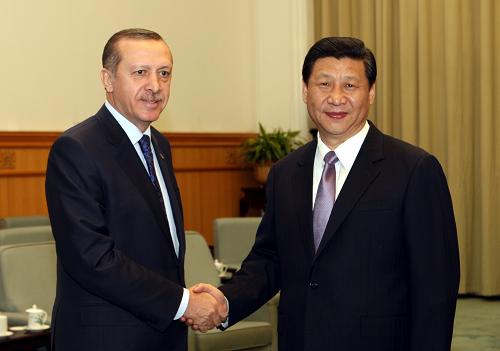
The volume of trade between China and Turkey grew significantly in the first decade of this century. The countries’ relationship is now strengthening further, reflecting Turkey’s interest in participating in the BRI and the Chinese leadership’s struggles with its Uyghur minority. Judging from recent declarations, it appears the relationship will hold up, as neither side has viable alternatives to this alliance.
When mischief transfigures into menace, and plausible deniability gets in the way of the immediate concerted action necessary to punish state criminality in a decisive and conclusive manner, strategic patience becomes inversely proportional to strategic purpose. The North Korean crisis is a testament to the lamentable current state of a dysfunctional international system in need of a monitored ethical code, of decency and candor, of sincerity, humanity, wisdom and justice, at every echelon. It is time for diplomats and state leaders to heed the urgency.
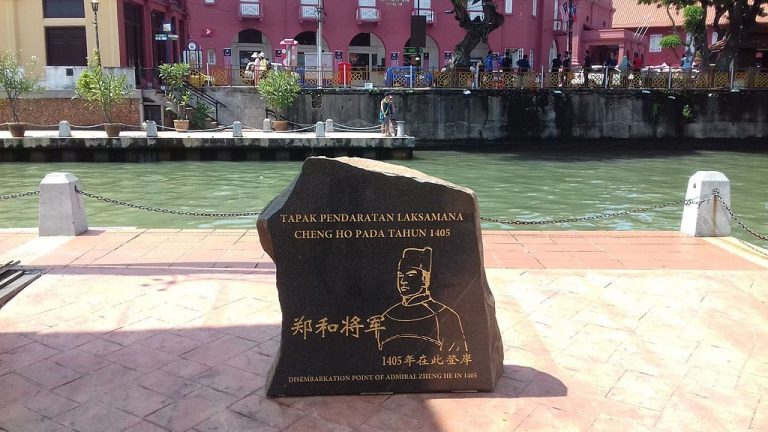
Last month, the Chinese established their first-ever military-naval base outside the Asia-Pacific region, in Djibouti. The establishment of the base is an expression of the "Maritime Silk Road" policy intended to exert Chinese presence in the Indian Ocean and into the Mediterranean. The establishment of the Djibouti base also reflects Beijing’s recent celebration of Zheng He, the 15th century admiral, whose voyages in the South China Sea and Indian Ocean have come to symbolize Chinese power and a Chinese-led global order. 
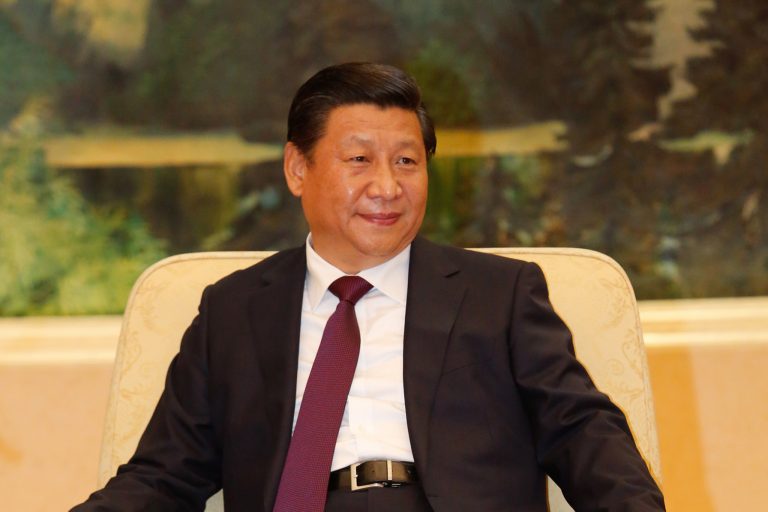
On July 18, 2017, PA President Mahmoud Abbas met with Chinese President Xi Jinping. According to the media, the meeting was productive. “Beijing will create a dialogue mechanism between Israel and the Palestinians, with China being the mediator, and later this year China will hold a peace conference and try to resolve the conflict”, according to Xi. This sounds good, but Beijing has more pressing priorities. It is not interested in forging deals with little chance of success.
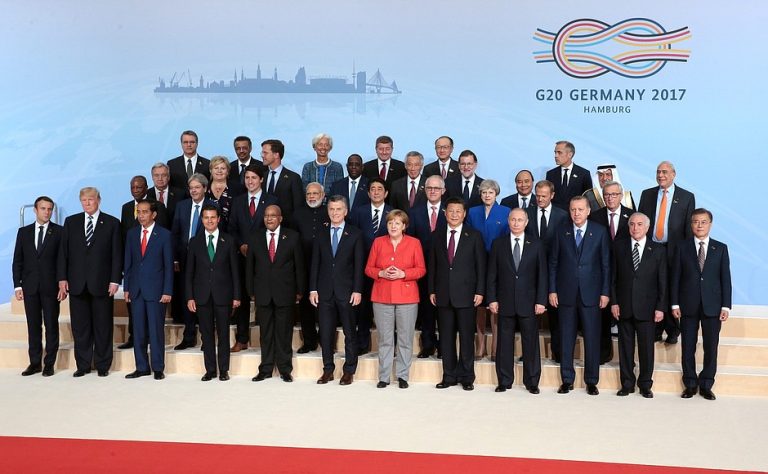
The most significant features of the recent G20 Summit were China’s and Germany's move to the forefront of the global leadership stage and a corresponding step backward by the US. The change in world leadership will affect the world economic structure over the coming years.
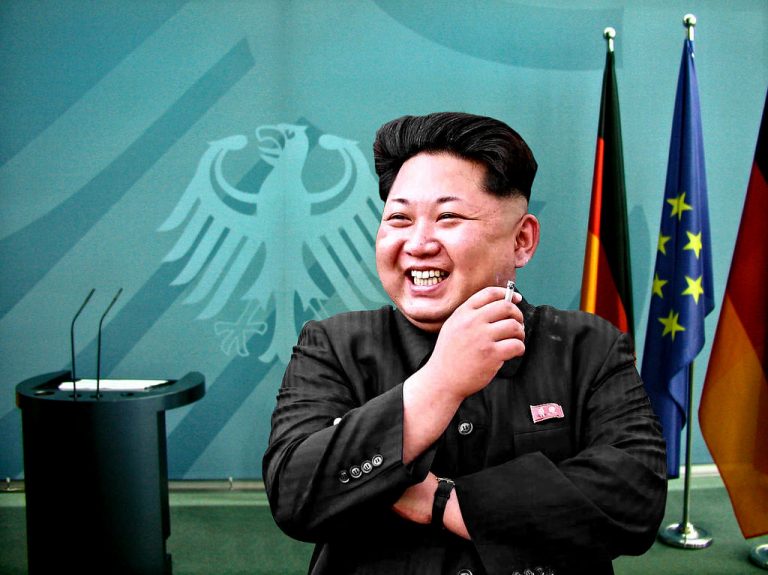
The North Korean imbroglio has been affecting Sino-American relations for months. Washington and Beijing agree on the urgency of mitigating risks stemming from the unpredictable behavior of North Korean leader Kim Jong-un, but differ on methods to achieve that objective. President Trump has abandoned the “strategic patience” ethos of the Obama era and criticizes Beijing for not putting greater pressure on Pyongyang. For its part, Beijing is concerned about instability on the Korean Peninsula as the US military presence expands and the “regime change” prescription gains ground.
China and Greece have an almost entirely one-sided economic relationship. China’s deep involvement in Greece is part of a long-term strategy to achieve control of the marine paths from China to the EU. This strategy means China is willing to invest and take part in the rehabilitation of Greece – but there will be a price to be paid for this.

Accessibility Toolbar