China

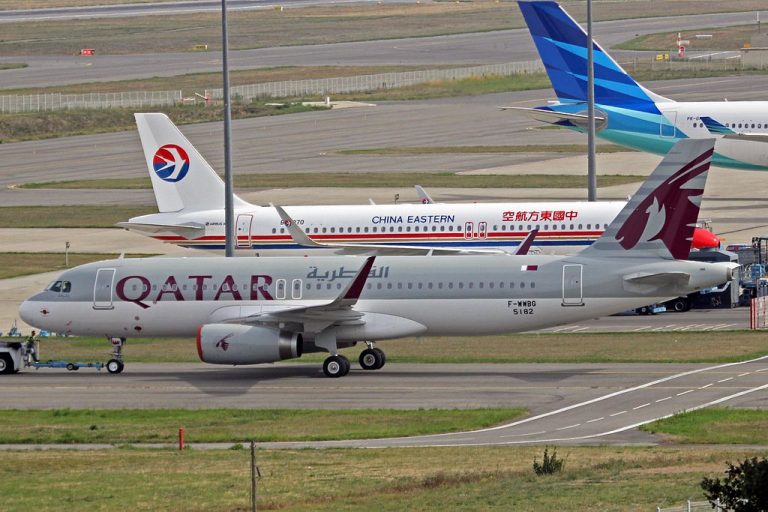
On June 5, Saudi Arabia, Egypt, United Arab Emirates, Bahrain, and several other Sunni Muslim countries suspended their relationships with Qatar, creating one of the worst crises to befall the Muslim Sunni world in a decade. China, the second-largest economy in the world, has an interest in the achievement of a resolution to the crisis, and may have a role to play. It can tell one side “you made your point” and the other “you learned your lesson”. China needs these countries and has a lot to offer them in return.
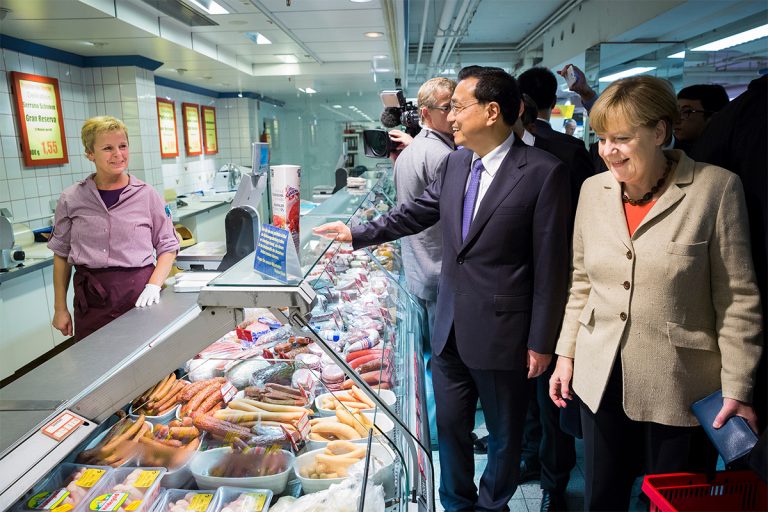
The German Chancellor’s daily routine has been attracting wide attention of late. Angela Merkel met recently with US President Donald Trump, followed by meetings with Indian Prime Minister Narendra Modi and Chinese Prime Minister Li Keqiang. Merkel expressed some of her colleagues’ thoughts after meeting Trump by saying, “Europe can no longer completely rely on its longstanding US alliance”. The timing of the Chinese visit, shortly after Trump’s visit, was not coincidental. China has a vision of joining forces with Europe to counterbalance the US, and President Trump’s reception in Europe made this vision more plausible.
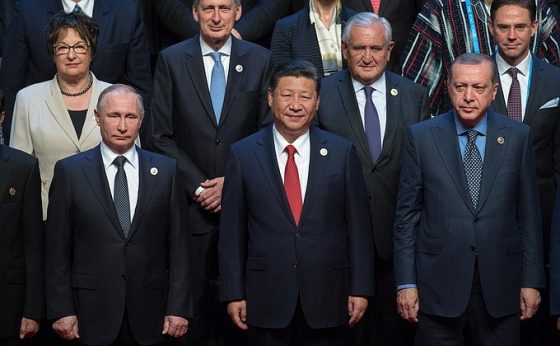
On April 14-15, 2017, Chinese President Xi Jinping conducted a summit on the Chinese initiative to connect Europe, the Middle East, Africa, and Asia. In attendance were high-ranking representatives from Egypt, Iran, Kuwait, Saudi Arabia, the UAE, Turkey, Syria, and Tunisia. The object of the summit was to clarify the Chinese initiative in the wake of uncertainty that has surrounded it ever since it was announced by Xi in 2013. Israel was not included in the summit, but is nevertheless very much in the picture.
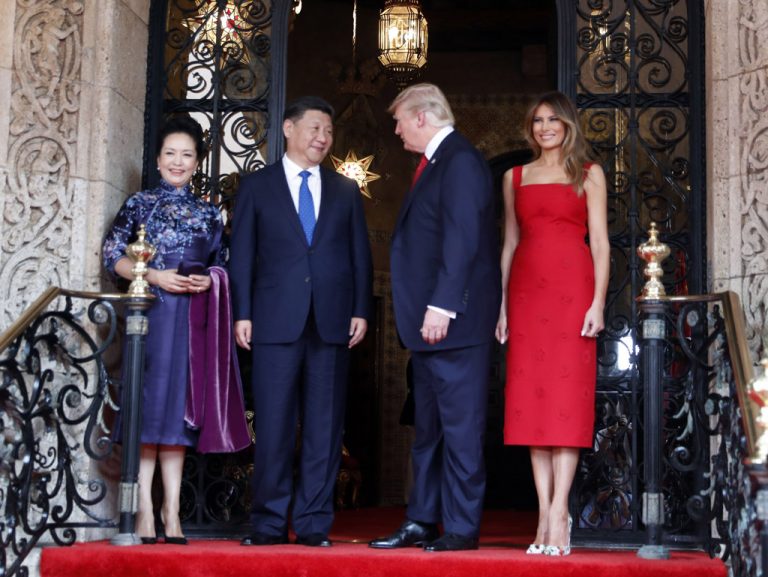
On April 6, 2017, the two most powerful men in the world, US president Donald Trump and Chinese president Xi Jinping, met at Trump’s Mar-a-Lago resort. Their meeting went on for two days. Their conversations dealt with political, security, and financial matters. Even before the meeting took place, both parties demonstrated good will. The Chinese forgave what they taken to calling “Mr. Trump’s provocations”, while Mr. Trump invited Mr. Xi and his wife to his home in an act of good faith that paved the way for a positive visit. Both sides attempted to ease tensions and create a basis for healthy relations.
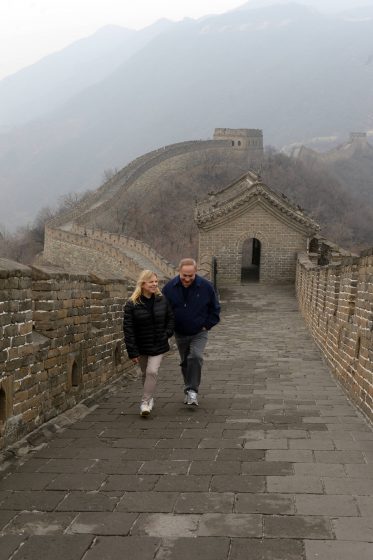
Israeli PM Benjamin Netanyahu visited Beijing on March 20-21, 2017 – his second visit to China during the term of China’s current president, Xi Jinping. The trip was the product of an invitation from Xi, a point emphasized by Netanyahu’s office to deflect criticism over the frequency of his foreign junkets. The official reason for the visit was the marking of the twenty-fifth anniversary of diplomatic relations between the countries, but it could represent an opportunity for Israel to play a more prominent role on the international scene.
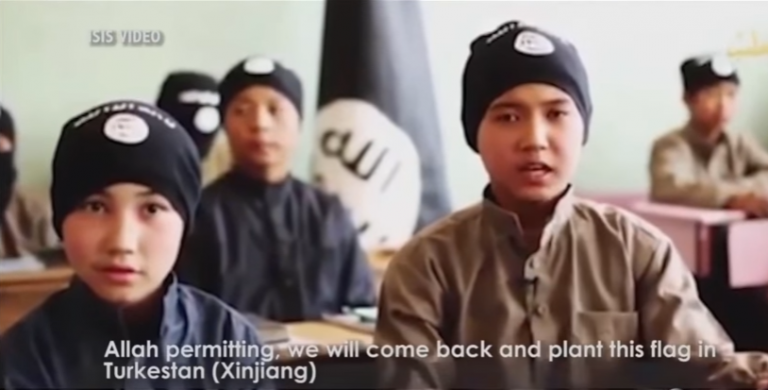
As the power of the Islamic State (IS) declines, it is becoming less menacing and less able to sow fear in the world at large. The group sees threats against China as a way to renew that sense of threat. IS claims to offer hope and refuge to the Uyghur Muslims, who are subject to a campaign by the central government in Beijing, and thereby to achieve two major goals: recruiting new volunteers and attracting further attention.
EXECUTIVE SUMMARY: Donald Trump was intensely critical of China throughout his campaign, and tension between the two countries is likely to increase now that he occupies the White House – but only in the economic and diplomatic spheres. The Middle East, including Israel, could nevertheless be drawn into the conflict as a confrontation zone between the superpowers due to the region's natural resources, intersecting sea routes, and overall geostrategic importance.
China has taken several actions relating to the Middle East since the beginning of 2016 that suggest a new approach to the region. The Chinese president visited the Middle East, a new law was passed permitting China to be involved in military action beyond its own borders, and a new Chinese forum was established to promote peace in the region.

Accessibility Toolbar