China

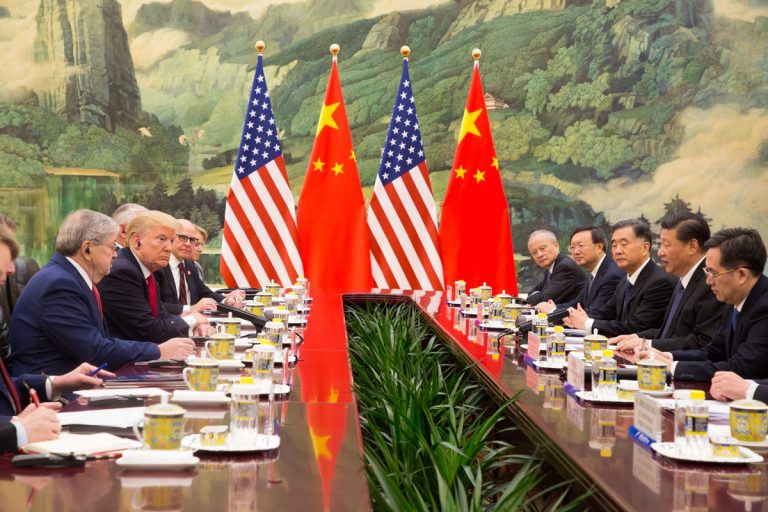
Many observers view the current confrontation on trade between China and the US as temporary. However, the two countries have opposed geopolitical imperatives that make it highly unlikely that a long-term solution will be found. The US will have to consider how to contain China, which is a far more formidable competitor than the Soviet Union ever was. The US will need much more than a Cold War-style “containment” strategy to counter Chinese ambitions. 
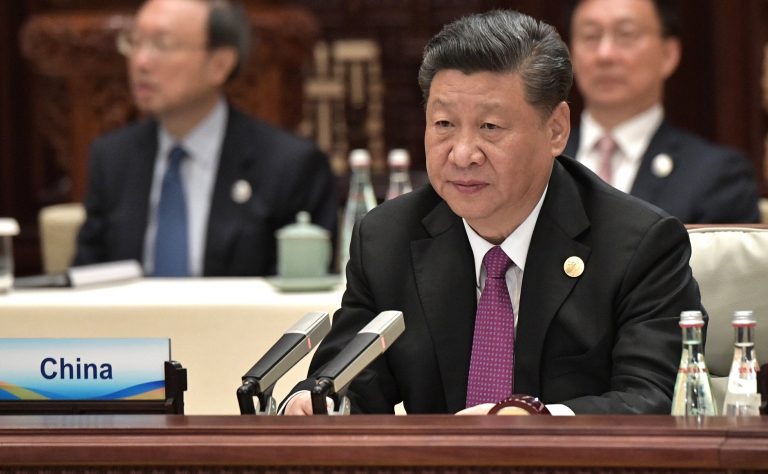
On April 25-27, 2019, Chinese President Xi Jinping convened a second summit of leaders and representatives from around the world to discuss his signature program, the Belt and Road Initiative. Xi’s keynote address revealed his take on Beijing’s trade struggle with the US as well as his approach to the concerns of poorer countries that lie along the initiative’s route.
On April 11, 2019, Sudan’s long reigning president Omar Bashir was overthrown in a military coup after 30 years at the helm. China, one of his staunchest supporters, must now assess how to maintain its relationship with the African nation, which lies on a critical spot on the prospective Belt and Road route.
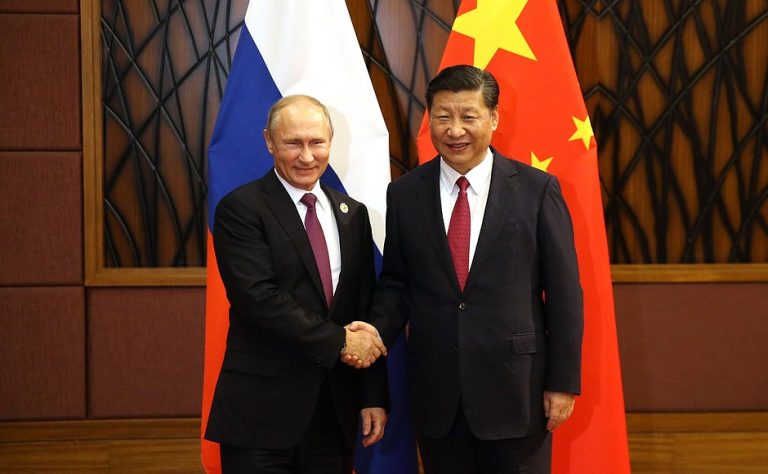
Odds are that China and Russia will prove to be long-term US rivals. However, it may just as well be that their alliance will prove to be more tactical than strategic, with the China-Russia relationship resembling US-Chinese ties: cooperation in an environment of divergence rather than convergence.
China’s grand Belt and Road Initiative, which is intended to connect the Asia-Pacific with the European market, had a major boost in March when Italy – the first of the G7 states – effectively signed onto the project. This event illustrates how difficult it is becoming for European countries to resist Chinese investment at a time of economic troubles in the EU.
Recent Chinese pressure on Myanmar to approve a controversial dam project and the arrest in Kazakhstan of a human rights activist suggest that China, in a seemingly tone-deaf pursuit of its interests, is forcing governments to choose between heeding increasingly anti-Chinese public sentiment and pleasing Beijing to ensure continued political and economic support.
It is au courant among analysts and scholars to compare modern-day China to early 20th-century Germany, in that it too is a rising power that desires a larger role for itself in world affairs. But a better comparison might be with the United States of the late 19th-early 20th century. The US of that era presented itself as non-interventionist, but it also proclaimed a “manifest destiny” to expand its influence.
DEBATE: In his account of the Peloponnesian War, Thucydides wrote, “It was the rise of Athens and the fear that this instilled in Sparta that made war inevitable.” Harvard scholar Graham Allison subsequently applied the term “Thucydides Trap” to describe Sino-American relations. Following a meeting with former US Secretary of State Henry Kissinger in 2015, Chinese President Xi Jinping said: “There is no such thing as the so-called Thucydides Trap in the world. But should major countries time and again make the mistakes of strategic miscalculation, they might create such traps for themselves.” BESA poses the question: Can China and the US peacefully coexist?

Accessibility Toolbar