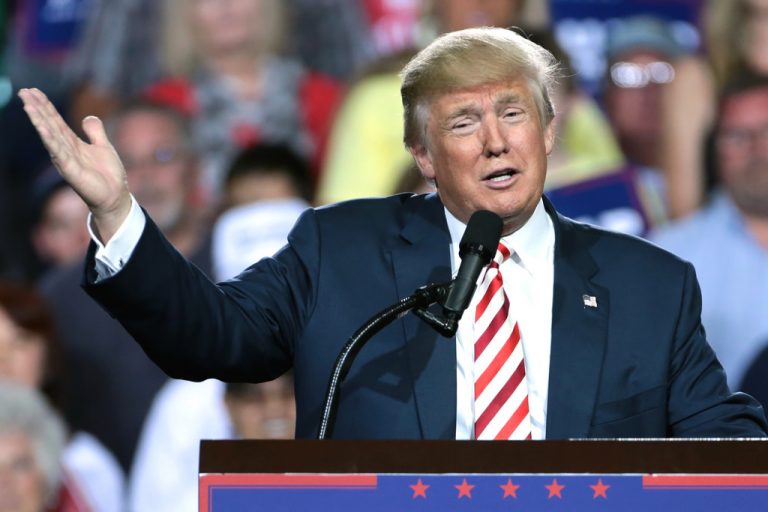
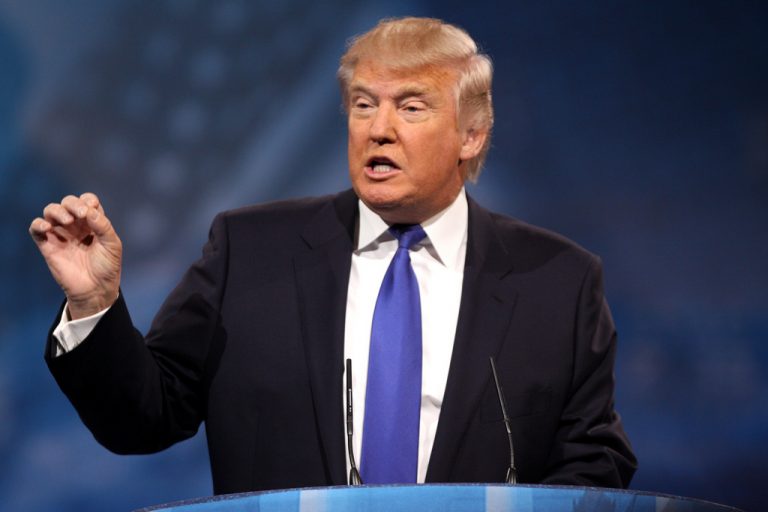
Donald Trump

To fight an enemy effectively, that enemy must be clearly defined. George W. Bush spoke of a war on terror, but conducted a crusade against tyranny. Barack Obama gave lip service to the freedom agenda, but employed a "realist", non-interventionist policy on most issues, was reluctant to speak of "enemies" beyond al-Qaida and IS, and never called the enemy by name. The Trump administration is reportedly planning to scrap the conceptual framework of Obama’s "CVE" – Countering Violent Extremism – and focus more explicitly on the Islamist threat, but it remains to be seen just how he defines that threat.
The US is usually thought to be biased in favor of Israel, even after its recent acceptance of UNSC Resolution 2334. But for many years, the US has been a big part of the reason why the diplomatic world accepts a false narrative of the Arab-Israeli conflict that harms Israel and makes it harder to achieve peace. Washington should move to a truth-telling strategy to dismantle the structure of false views that slander Israel and stand in the way of peace.
The “art of the deal” does not translate directly from the world of business to the world of diplomacy. Diplomatic deal-making requires mastery of four basic elements: integration of diplomacy with the credible threat of force; the rewarding of friends and the punishing of enemies (rather than the opposite); a diplomatic focus on interests rather than emotions; and a refusal to condescend to the citizens who will be affected.
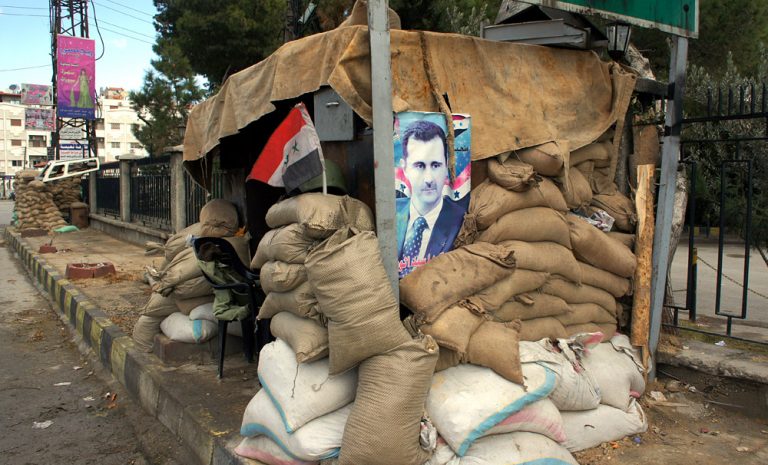
The recent US sanctions against 18 senior Syrian officers for chemical weapons (CW) employment seem to represent little more than a last-ditch compensation for the hands-off record of the outgoing Obama administration. However, despite their poor timing, these sanctions are considerably more meaningful than they might at first appear.

Accessibility Toolbar