Gulf states

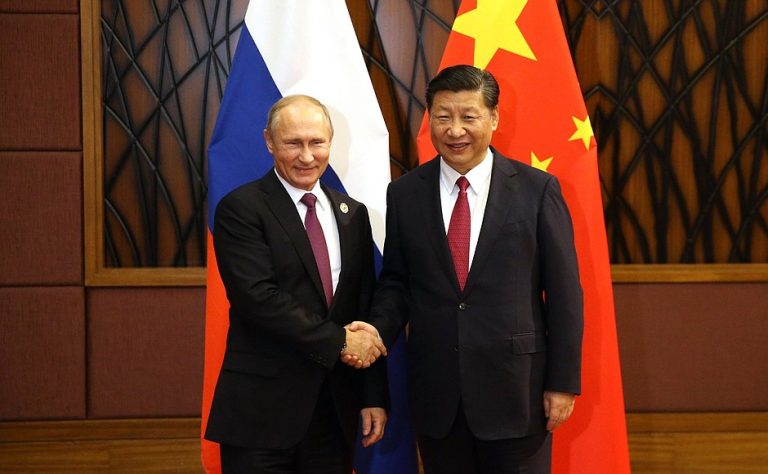
The coronavirus pandemic and its economic fallout may rewrite the security as well as the political and economic map of the Middle East. The crisis will probably color Gulf attitudes towards the region’s major external players: the US, China, and Russia. Yet the Gulf States are likely to discover that their ability to shape the region’s map has significantly diminished.
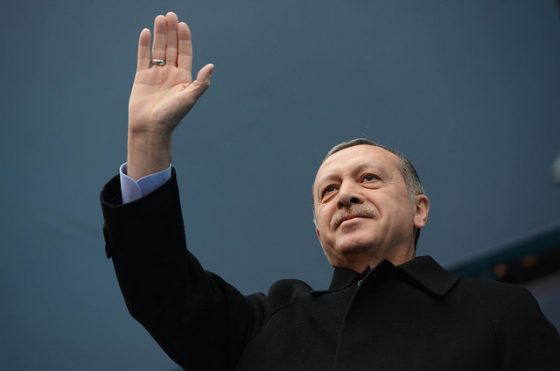
Turkey’s latest moves in Libya and the eastern Mediterranean should be viewed in the context of the recent Kuala Lumpur Summit, which announced the emergence of a new ideological bloc to counter Saudi Arabia consisting of Iran, Turkey, Qatar, and Malaysia. Turkey’s new geopolitical strategy is as much ideological as it is “defensive.”
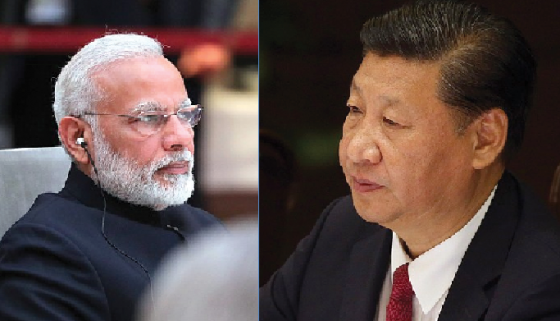
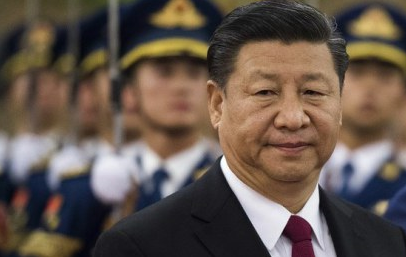
The rise of the People's Republic of China over the past two decades has significantly changed the global economy. This development represents an opportunity for the Gulf states as they seek to diversify their economies, increase trade, and locate investment opportunities in emerging markets. By promoting China’s Belt and Road Initiative, they can boost their own national development plans through access to Beijing’s favorable business conditions, expertise, and experience.
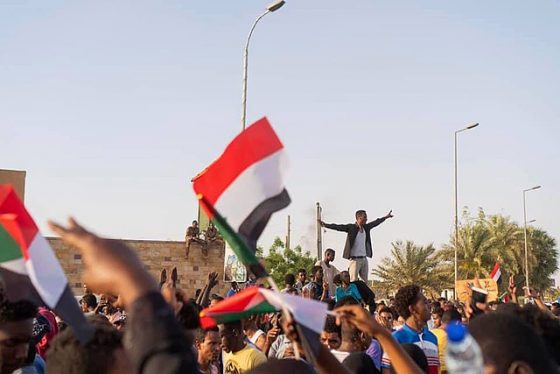
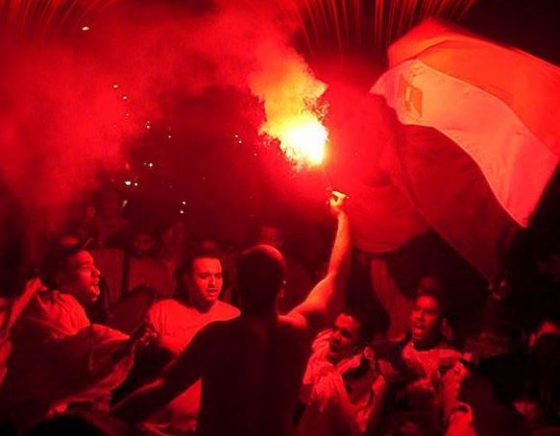
Much of the Middle East’s recent turmoil stems from internecine Middle Eastern rivalries spilling onto third country battlefields and Saudi and UAE-led efforts to roll back the achievements of the 2011 popular Arab revolts and pre-empt further uprisings. The recent successful toppling of ailing Algerian president Abdelaziz Bouteflika and months of anti-government demonstrations that have put Sudanese leader Omar al-Bashir on the defensive suggest that the Saudi-UAE effort may be faltering.

Accessibility Toolbar