Iran

The Islamic Revolution in Iran, which brought Islamists to power for the first time in modern history, pitted the global left—perhaps best personified by Michel Foucault—against the global right. To this day, the global left’s advocacy for Islamism continues to guide the West’s general approach toward the Middle East.
The coronavirus crisis has exposed Arab and Islamic notions of fraternity, mutual commitment, and solidarity as hollow rhetorical slogans. Each country in the region is focused entirely on its own efforts to survive economically, socially, and politically as the pandemic continues to wreak havoc.
Notwithstanding the difficult challenges of the coronavirus crisis and a deteriorating economy, Iran is pushing ahead with its uranium enrichment and missile and space programs as well as its activities in Syria. It also has yet to concede to the US in their clash over sailing in the Gulf. Tehran fears that any sign of weakness might endanger the Islamist regime, particularly as resentment continues to grow among ordinary Iranians. With that in mind, it is doing all it can to flex its muscles for both domestic and international audiences.
The Financial Action Task Force (FATF) recently added Iran to its Black List as a means of increasing pressure on the regime to stop financing terror. While this belated decision was a good move, it is unlikely that it troubled Tehran particularly. Iran has been on the Black List before and been removed from it despite its persistent state sponsorship of terror, which goes back decades. The plenary continues to ignore the terror financing of numerous other states as well as Iran, including Qatar and the Palestinian Authority, rendering its effectiveness minimal.
It is early days, but first indications are that the global coronavirus pandemic is entrenching long-drawn Middle Eastern geopolitical, political, ethnic, and sectarian battle lines rather than serving as a vehicle to build bridges and boost confidence. Gulf states are taking contradictory approaches to the problem of ensuring that entrenched conflicts do not spiral out of control as they battle the pandemic and struggle to cope with the economic fallout.
In sum and substance, Iran has a clear objective, a strategy, and the willingness to invest and take risks to fulfill it. The US demonstrates exactly the opposite in every respect. Thanks to its unswervable focus and determination even in the face of calamity, the Islamic Republic's march through the Middle East is likely unstoppable.
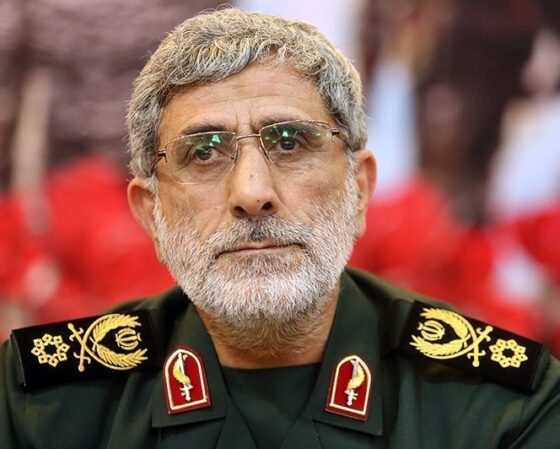
The recent visit to Iraq by the new Quds Force commander, Esmail Qaani, had several purposes: to display the continuity of Tehran’s involvement in the country, to rally the Shiite factions against the formation of a pro-US government by Adnan Zurfi, and to enable Qaani to stake a claim as a worthy successor to Qassem Soleimani. Yet Zurfi’s abdication and his replacement by Mustafa Kadhimi does not necessarily constitute an Iranian achievement because of Kadhimi’s diverse political associations and ties across the Middle East and the international arena.
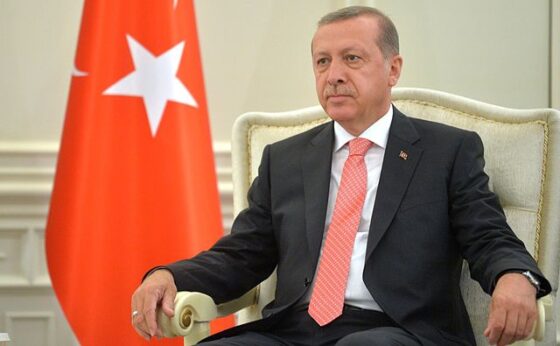
The recent news about the involvement of Iranian diplomats in the murder of an Iranian dissident in Turkey sparked a flare of international interest from within the all-encompassing coronavirus pandemic coverage, largely thanks to unflattering comparisons with coverage of the Jamal Khashoggi murder in 2018 (which the Iranian press promoted with gusto). The relative lack of interest in the crime from within Turkey itself reflects Ankara’s willingness to consort with Shiite Islamists to its own advantage.

Accessibility Toolbar