Iran

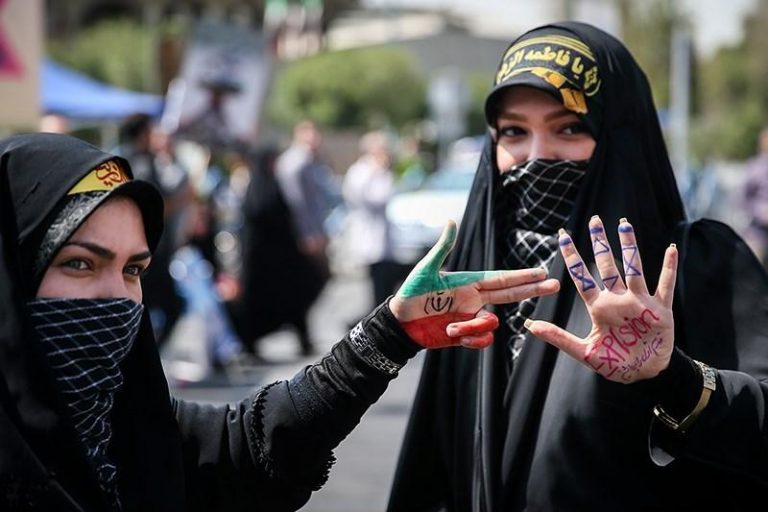
On June 8, the Islamic Republic of Iran held its annual “Quds Day” to express the nation’s support for the Palestinian struggle. Iran invests a great deal of effort into commemorating this event and mobilizes its citizens to flood the streets in solidarity. Is the hostility towards Israel on display on Quds Day a reflection of pure ideology, or is it a product of Tehran’s desire to elevate its status as regional hegemon and leader of the Muslim world?
Intermittent Israeli strikes against Iranian positions in Syria have alarmed Russia, which is trying to solidify its military gains there. Active Israeli interference could bring down the highly unstable security architecture the Russians are working on in Syria. Moscow must balance between its war ally, Iran, and Israel, an important regional player – two states with radically different geopolitical imperatives.
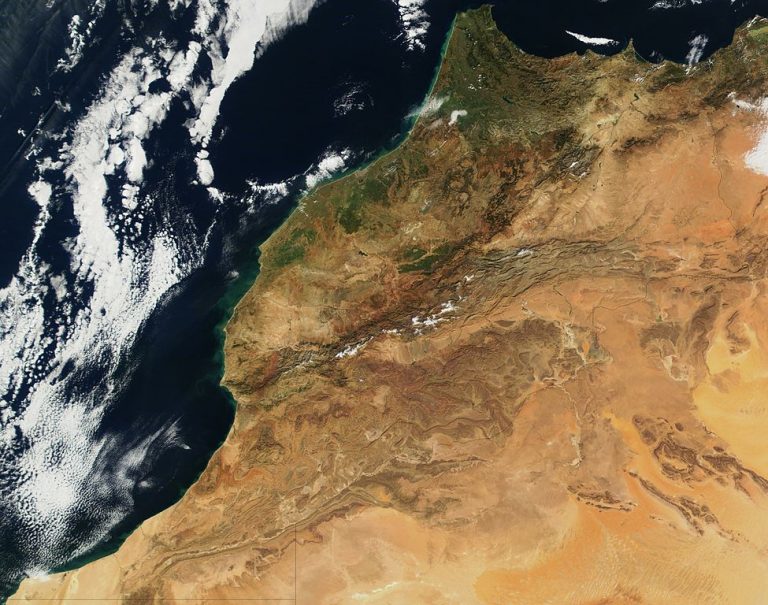
Iran’s recent moves against Morocco’s national sovereignty reflect its intention to continue on its path towards global domination by destabilizing pro-Western countries. Tehran is shifting its attention towards Africa, which is less on the Western radar following the American withdrawal from the JCPOA.
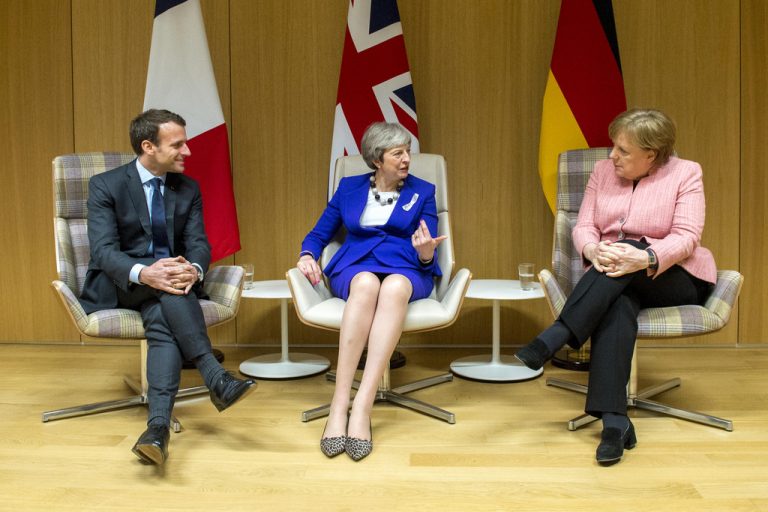
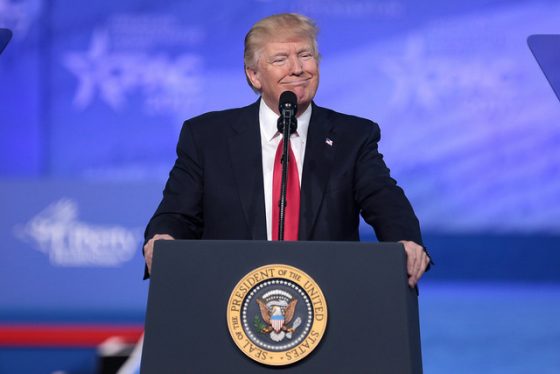
US President Donald Trump’s staunch opposition to the nuclear agreement with Iran (the JCPOA) has sparked a serious transatlantic rift. The EU is, however, attempting to balance its appetite for business with an examination of security risks. In so doing, it is slowly awakening to Israeli and Sunni Arab sensitivities regarding Tehran’s hegemonic aspirations in the Middle East.
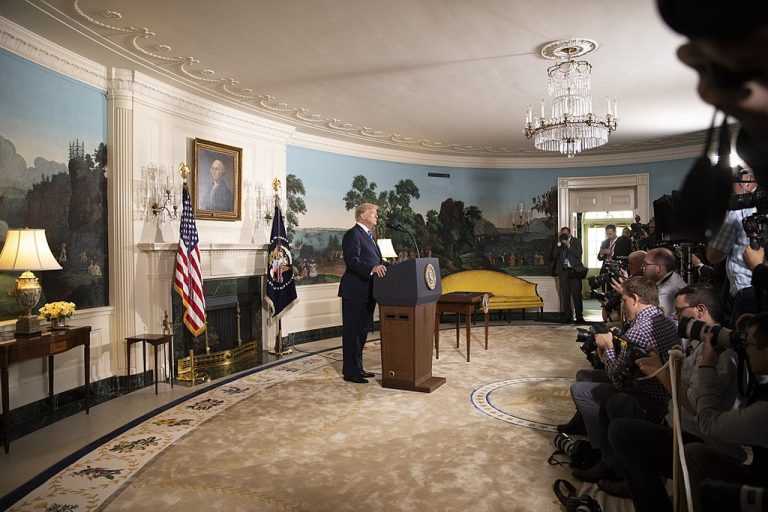
Q:   On May 8, 2018, President Donald Trump announced the withdrawal of the US from the Joint Comprehensive Plan of Action, or JCPOA. His intention is to impose the highest possible level of economic sanctions on Iran and perhaps sanction other nations that assist Tehran in its quest for nuclear weapons. The “nixing” of the deal might be followed by a “fixing” of the deal. BESA joins the debate by posing the question: After the US withdrawal from the JCPOA, where do we go from here?
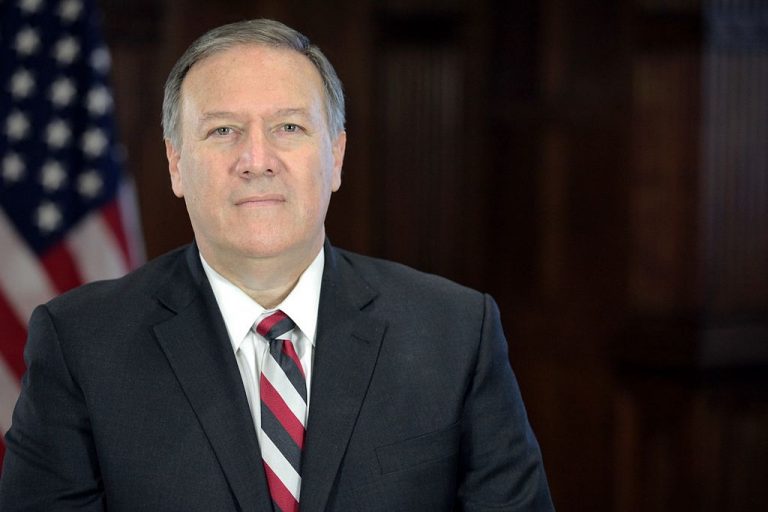
US Secretary of State Mike Pompeo's speech on May 21, 2018 was an important step in the realization of the Trump Doctrine. The 12-point speech outlined the administration’s nuclear nonproliferation strategy against Iran, which strives to exert constant pressure on Tehran so as to goad it into a new nuclear deal.
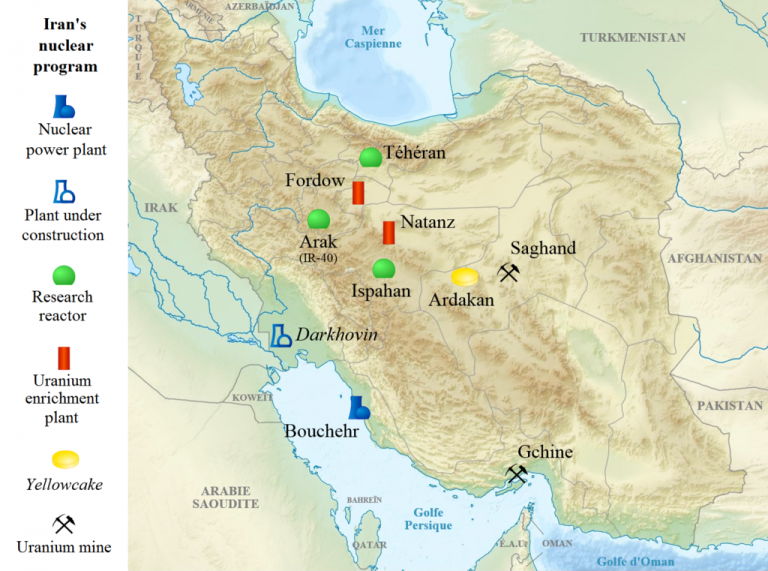
On April 29, satellite imagery showed irregular activity at Iran’s Fordow uranium enrichment facility, arousing suspicion that Iran is preparing to resume its activities. The Iranians had indeed threatened to do this if President Trump followed through on his plan to quit the 2015 nuclear agreement (the JCPOA). However, the unusual activity might simply be steps towards converting the facility to a civil research center for nuclear energy and physics, which would comply with the JCPOA.
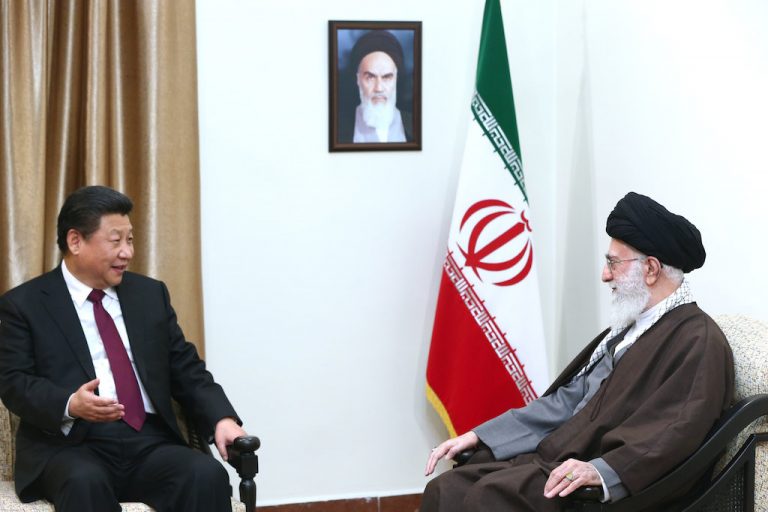
Now that Donald Trump has exited the 2015 JCPOA nuclear deal with Iran, there is more at stake for the other signatories than either their belief in the deal’s virtues or their eagerness to salvage economic opportunities. Maintaining the deal without the US would deliver a severe blow to American credibility and perceptions of US power. China has long experience circumventing sanctions regimes, but the environment surrounding the reimposed sanctions is likely to be unusually confrontational.
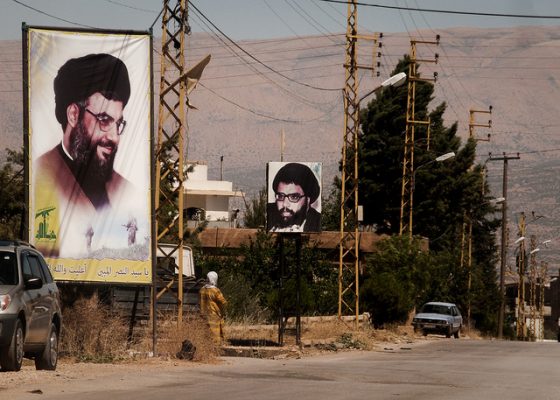
The Iranian leadership has claimed a great victory for the Hezbollah-Amal alliance, which it backed, in the recent Lebanese parliamentary elections. But Lebanese elections are a travesty. In that country, the will of the people is completely distorted by gerrymandering engineered by Hezbollah and its mentor, Iran.
In light of the dramatic announcement by US President Donald Trump that the US will withdraw from the nuclear agreement with Iran (the JCPOA) and restore harsh economic sanctions, it is worthwhile to analyze the Trump administration’s national security doctrine. The mainstream media’s claims that Trump has no real strategy, that he does not understand the issues at stake and changes his mind about them constantly, and that the White House is in a state of confused turmoil do not stand up to scrutiny.

Accessibility Toolbar