Iran

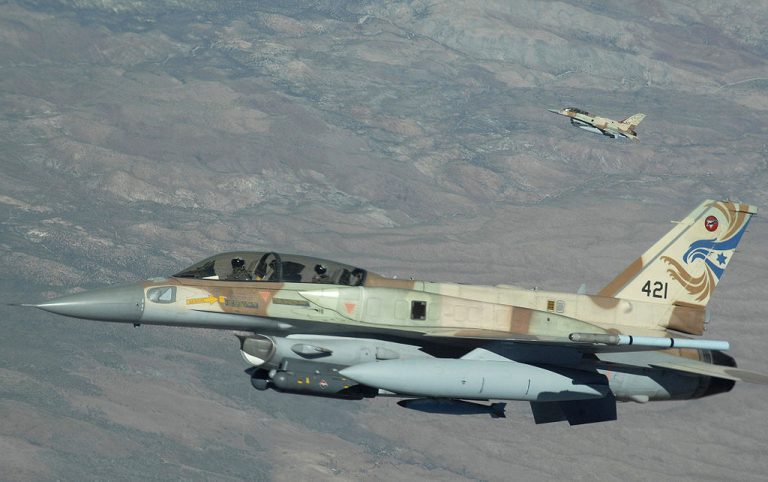
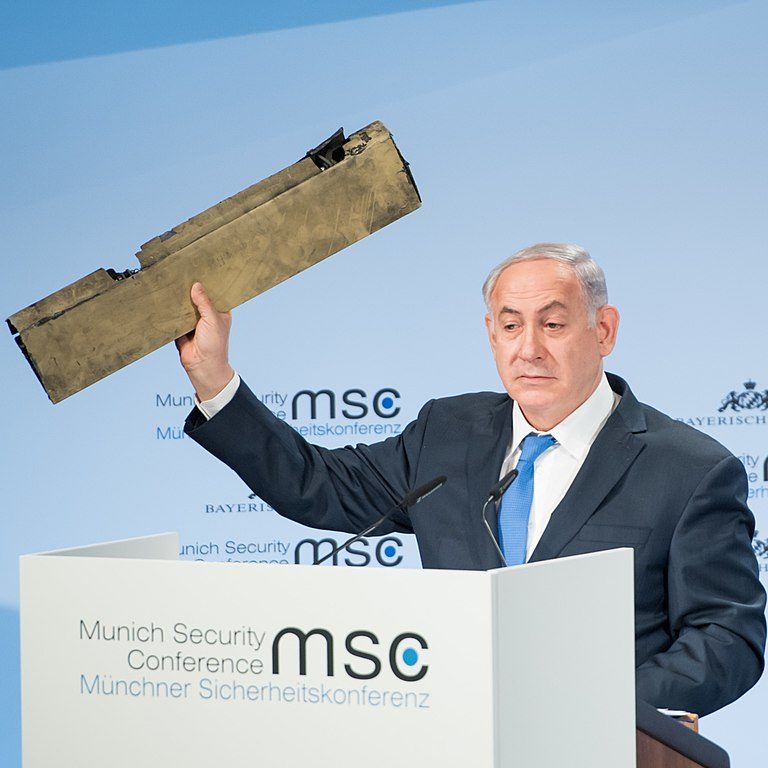
Q:      The recent infiltration of Israeli airspace by an Iranian drone launched from Syria was considered by Jerusalem a severe violation of its sovereignty. In response, Israel conducted a mission to strike the Iranian drone installation in Syria. During that mission, an Israeli F-16 jet crashed. In the aftermath of this incident, Israel – while not wishing to escalate – made clear that it is prepared to act with determination and exact a heavy price from anyone who attacks it. BESA joins the debate by posing the question: How might the Israeli-Iranian face-off in Syria evolve?
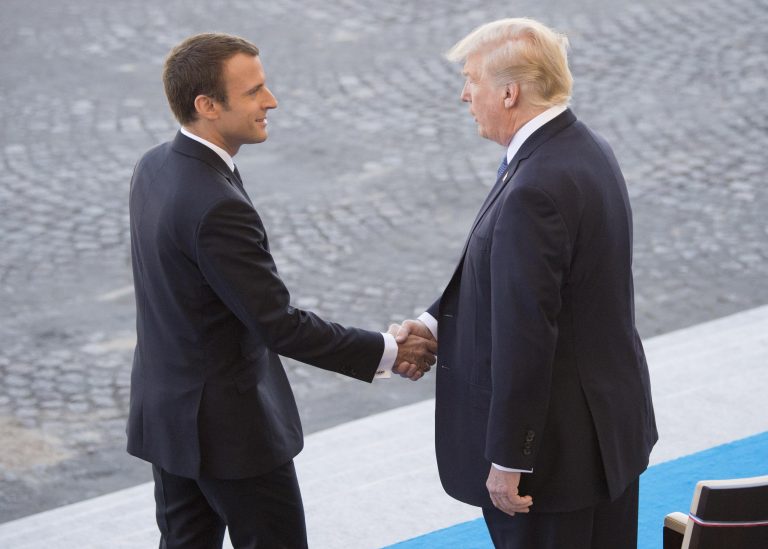
Emmanuel Macron, France’s charismatic new leader, has adopted a proactive approach towards Iran that combines a moderate attitude with Sarkozy’s hard line. On the one hand, he supports the strict preservation of the 2015 nuclear agreement and opposes Trump’s ”fix or annul” view of the deal. He also supports tightened bilateral relations with Tehran. On the other hand, he has adopted a hard line, demanding the establishment of an international mechanism of inspection and sanctions on the Iranian ballistic missile program as well as a restriction on its destabilizing involvement in the region. Macron's demands have started a war of words between Paris and Tehran that has the potential to escalate.  
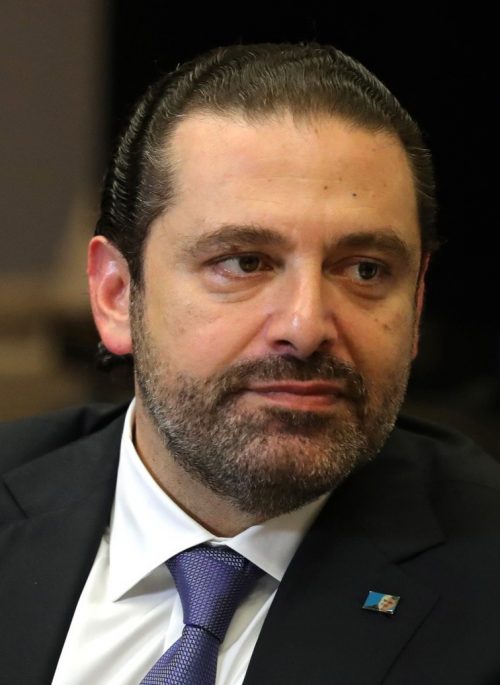
The widely criticized attempted resignation by Lebanese Prime Minister Saad Hariri backfired as a political move against Iran for two reasons: first, because Hezbollah is already largely in control of the Lebanese government; and second, because the Saudis, who backed the move, have little leverage inside the country. Continuing efforts to effect similar change inside another Iran proxy, Qatar, are bound to fail for similar reasons. In order to succeed, the Saudis and their allies should build authentic relationships with potential supporters and create an environment receptive to their interests.
The Eastern Mediterranean has entered a new period of high volatility, with Israel and Greece in the eye of the storm. Both countries are facing an upgraded strategic challenge from Turkey and Iran. This is not simply an interstate problem but a broader crisis that will influence the future geostrategic physiognomy of the Eastern Med.
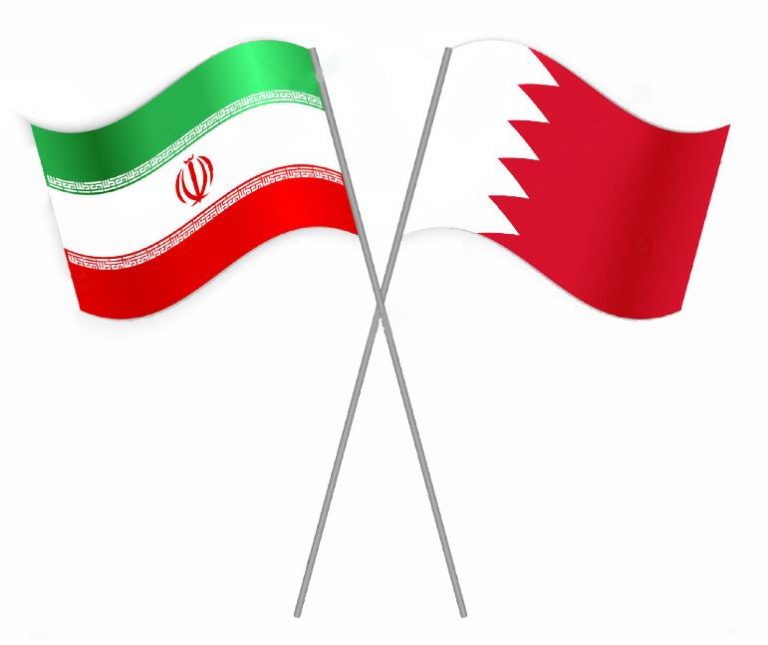
The Bahraini government has long claimed that Iran is encouraging the Shiite opposition, which is fighting for recognition and political change. This is not an empty fear. Tehran’s  push for hegemony in the archipelago is not a new phenomenon. However, unlike monarchic Iran, whose hegemonic drive focused on the international political-diplomatic arena, the Islamic Republic is working for change from within and is using both soft power and subversion.
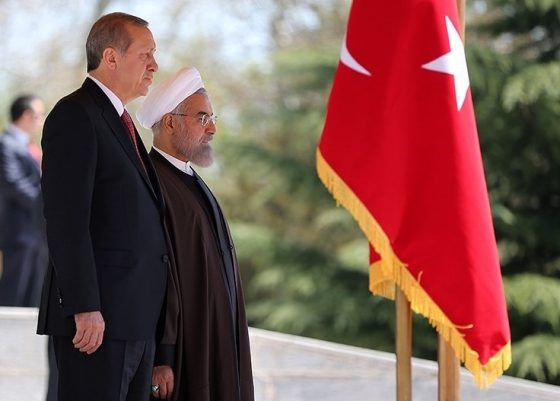
Like most moments in the passionate Turkish-Persian relationship, incidents of Muslim-to-Muslim fraternity are misleading. For the mullahs in Tehran, Turkey remains too western, too treacherous, and too Sunni. For the neo-Ottomans in Ankara, Iran remains too discreetly hostile, too ambitious, too untrustworthy, and too Shiite.
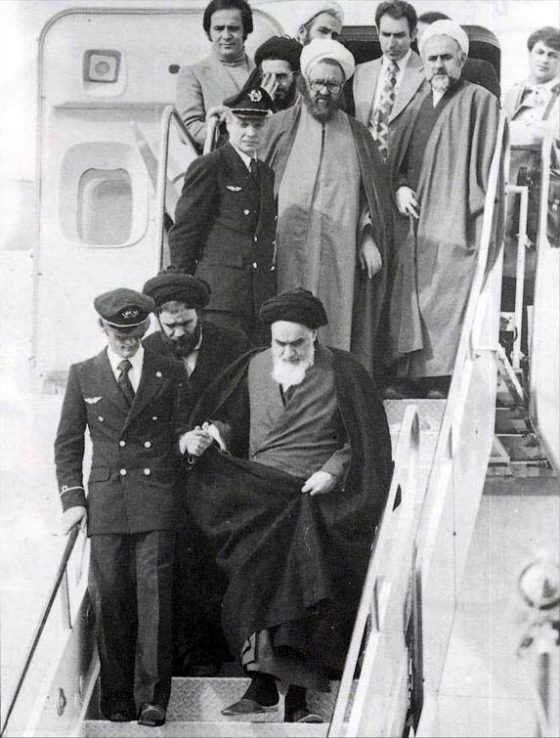
Thirty-nine years have passed since Ayatollah Khomeini returned from exile and established the Islamic Republic of Iran. Under his leadership, Iran has undergone significant changes that have left a mark on the basic concepts and worldview of its leaders. That process can be divided into five periods distinguishable by the effects they had on the discourse of the Republic. The signal achievement of the theocratic regime that emerged from the revolution is its ability to maintain its power. However, Tehran’s quest for regional hegemony has created a wave of social protest that arose from the gap between the foreign ambitions of the Islamic leadership and the people's desire for a better life.
Important new Middle East developments give the US and its allies a real chance to push back on Iranian hegemonic ambitions in the Middle East. Key to this effort will be Congressional focus, not just on the Iran nuclear deal, but on sanctions legislation to undermine both Iranian missile proliferation and terrorist-supporting activities.
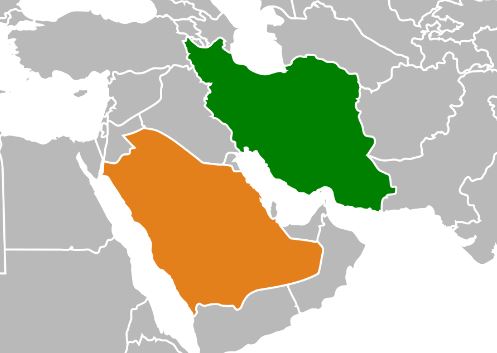
Expressions of support for the Iranian anti-government protests by US President Donald Trump and Israeli Prime Minister Benjamin Netanyahu have provided grist for Iranian claims that the protests were instigated by foreign powers. The assertions, while largely baseless, nonetheless offer insight into the very different strategies adopted by Iran and Saudi Arabia in their vicious struggle for regional dominance.

Accessibility Toolbar