Iran

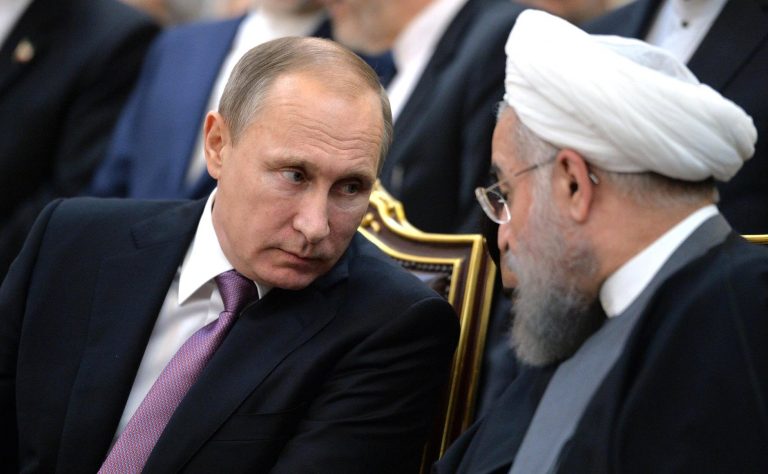
Russia and Iran have been geopolitical rivals for centuries – but over the past couple of years, the Moscow-Tehran axis has grown exponentially. This creates major headaches for the US and other western powers that are concerned about how far this cooperation could go. The two powers share common interests in the South Caucasus and the Middle East, but are wary of one another’s growing influence in their own backyards.
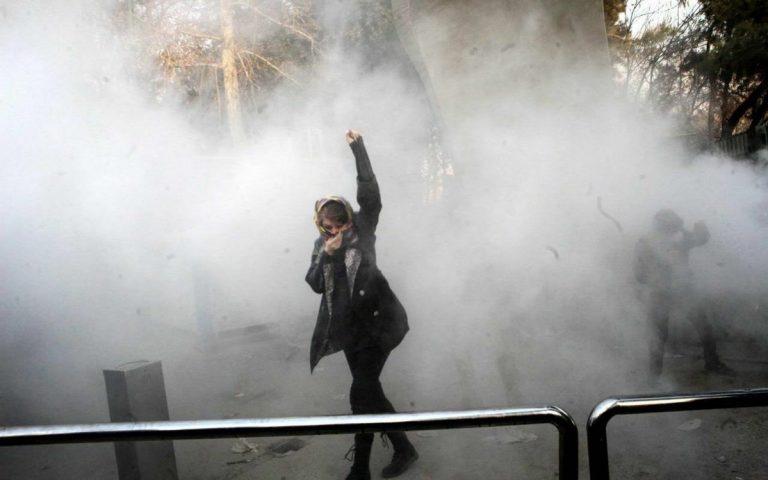
The social protests now sweeping across Iran reflect the deep tension between the Islamic regime’s commitment of vast resources to the assertion of Tehran’s regional hegemony and the yearning of middle class Iranians for an improvement in their economic wellbeing. And while the Islamist establishment that took power in the 1979 revolution is keenly aware of the perils of popular restiveness, history teaches that prolonged retention of power often makes regimes oblivious to the needs and yearnings of their subjects. This could upset the delicate balance between state and society.
In supporting recent anti-government protests in Iran, both Iranian hardliners and the US State Department might want to be careful what they wish for. Not only are the protests unlikely to spark the kind of change either of the two adversaries might be hoping for, but they are also refusing to stick to the different scripts the Trump administration and opponents of Iranian President Hassan Rouhani prefer to read into them.
Reports emerged recently suggesting that Iran-backed forces are closer to controlling the Syria-Iraq border. This would mean Tehran will now be able to link up with its Lebanese proxy, Hezbollah. If this scenario is correct, after 12 years of conflict in Iraq and another conflict in Syria, Iran is steadily transforming into a more powerful geopolitical player whose influence will be projected hundreds and maybe thousands of kilometers beyond its borders.
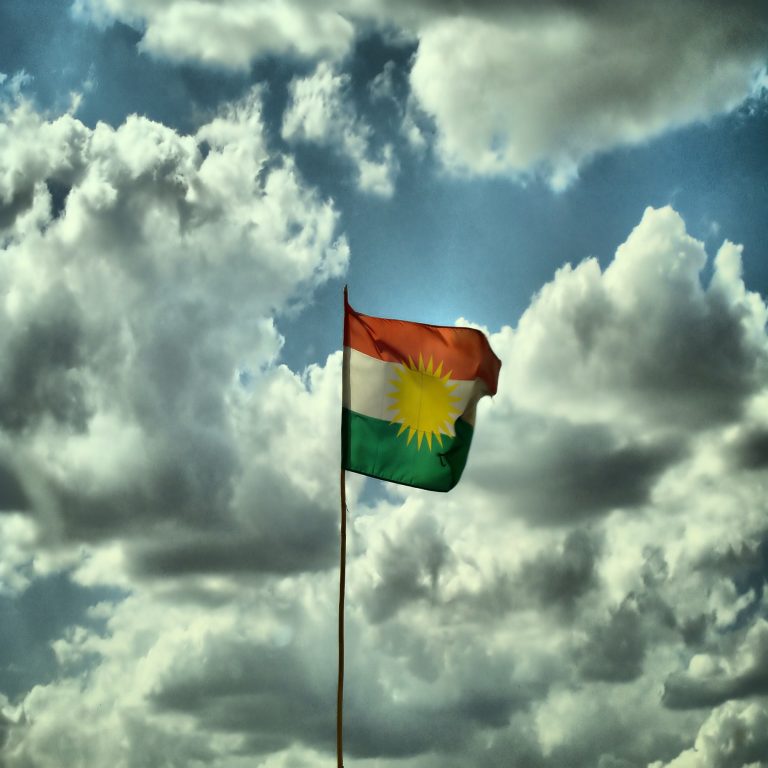
The national aspirations of the Kurdish minority in Iraq pose a challenge to the four countries that have a large Kurdish population. It is not by chance that the decision to hold a referendum provoked furious reactions among the leaders of Iraq, Iran, Turkey and Syria. According to the received wisdom, the success of Iraq’s Kurdish minority in realizing its national self-determination will serve as a catalyst for separatist tendencies among the Iranian Kurds.
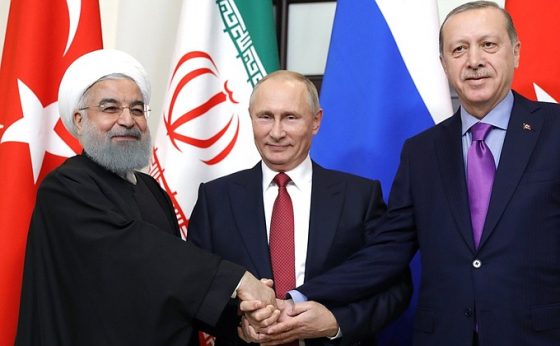
The victors in Syria and Iraq – Russia, Iran, Syria, and Turkey – are to meet in Sochi for a conference to discuss a peaceful conclusion to the Syrian civil war. The loser in Syria and Iraq – the US – will be conspicuously absent. The Americans’ adversaries were the beneficiaries of their own campaign against ISIS. Instead of the sheer folly of watching enemies free-ride on US might, the US should have exhausted Iran and Russia in the process of defeating ISIS.

Accessibility Toolbar