Iran

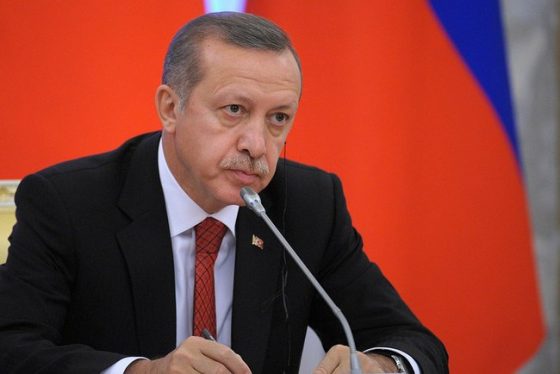
The rising tide of an aggressive blend of nationalism and Islamism might be prompting Ankara to pursue its own WMDs, and its preference appears to be long-range missiles. As Turkey feels more threatened by real or (mostly) imagined enemies, it increasingly views maximum possible military deterrence as essential to both survival (a defensive goal) and assertiveness (an offensive one). Precise long-range missiles are unlikely, and nuclear warheads even more so. What matters is not whether Turkey can build up a dangerous arsenal but why it wants one.
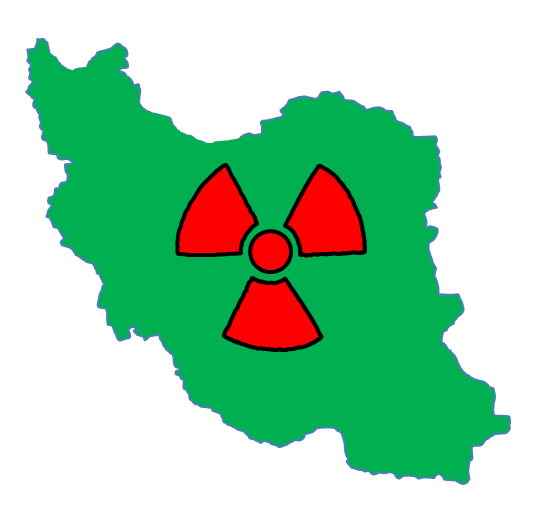
This analysis argues that Iran is steadily making progress towards a nuclear weapon and is doing so via North Korea. Iran is unwilling to submit to a years-long freeze of its military nuclear program as stipulated by the July 2015 Vienna Nuclear Deal. North Korea is ready and able to provide a clandestine means of circumventing the deal, which would allow the Iranians to covertly advance that nuclear program. At the same time, Iran is likely assisting in the upgrading of certain North Korean strategic capacities.
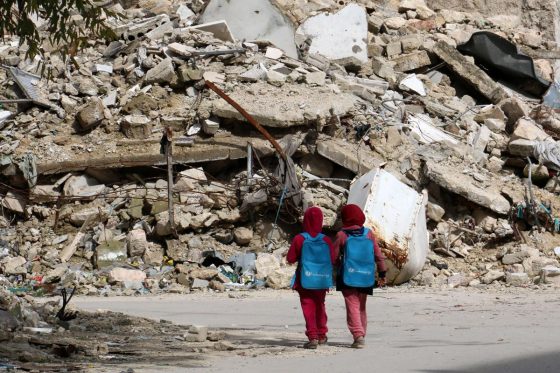
Events in Aleppo are playing an important role in Iran’s strategic plan to establish an overland corridor that would give it access to the Mediterranean coast. Since the city’s fall, Tehran has been urging non-state groups to come under its wing in return for massive and comprehensive support. The intensification of the Shiite-Sunni conflict acts as a barrier between Iran and its potential clients.
Precision-guided medium-range missiles, a relatively new technology, are beginning to proliferate in the Middle East. When they work as designed, they can deliver half a ton of high explosive to within meters of their targets. This means that for many targets, they are almost as effective as nuclear weapons.
One year later, it can clearly be said that the nuclear talks reversed power relations in Iran's favor, with the US forfeiting a historic opportunity to dismantle Iran’s nuclear capability. Instead, the agreement left Iran with its full capability concerning enriched uranium – only at a reduced scale and subject to questionable monitoring. When the deal expires, Iran will have the ability to set up an extremely fast enrichment system, and its ability to reach the quantity of material required for a nuclear weapon will have increased tenfold. Iran also can continue to develop heavy long-distance missiles – without global opposition and without sanctions.
The growing ties between Israel and the region's Sunni Arab states are a result of instability fueled by the growing power of Iran and Islamic State, and by US retrenchment. But unhindered public cooperation between Israel and these Arab states will necessitate an agreement between Israel and the Palestinians.

Accessibility Toolbar