Iran

A study of the strategic goals and military performance of ISIS; the relative strength of its opponents; the reactions of those opponents, especially Iran, to possible ISIS gains; and the threat to Israeli national security posed by ISIS. As long as Iran does not infringe on Israel’s “red lines” (regarding the transfer of advanced weaponry and terrorist bases on its borders) Israel should remain militarily neutral in the conflict with ISIS.
The desire of the international community to end the Syrian civil war is offset by the inability of any individual party to enforce its preferred solution. The conflict, which is likely to continue for some time, has solidified the centrality of Russia and Iran in regional affairs. Israel’s options are limited.
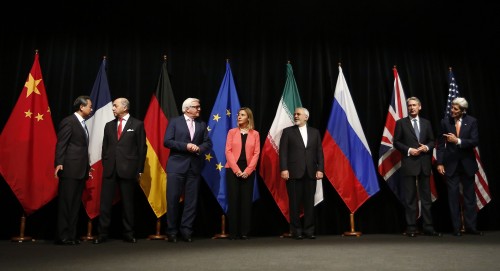
North Korean adventurism only adds to Israel’s proliferation concerns. North Korea's fourth nuclear test, the P5+1 agreement to lift Iranian sanctions, and the billions of dollars' worth in deals between Tehran and Asian and European companies, together constitute a significant challenge. In addition, Jerusalem faces a difficult task of being the watchdog that monitors Iran’s adherence to the nuclear deal.
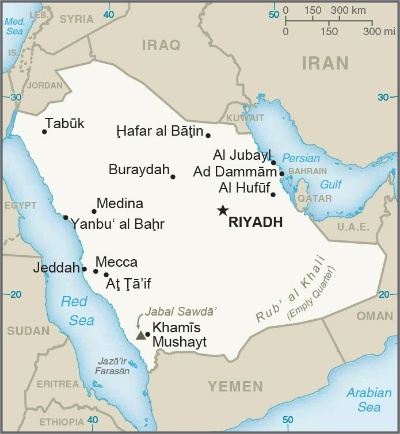
By executing a prominent Shiite leader, the Saudi King and his son the Deputy Crown Prince sent a strong signal to Iran, to the kingdom’s beleaguered Shiite minority, and to the world. To its Iranian Shiite rival, Sunni Riyadh was saying that it would absolutely not tolerate intervention in its internal affairs. It was telling its own Shiites that it would not allow “Arab Spring”-like dissent. And to the world, Salman and Muhammad were signaling that the Saudis were growing into their new role as a defender and leader of the Sunni Muslim countries; especially since the Obama administration appears to be siding with Iran.

Accessibility Toolbar