Recep Tayyip Erdoğan

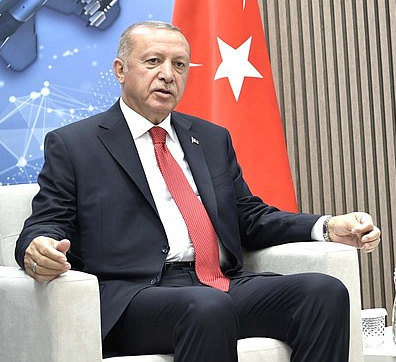
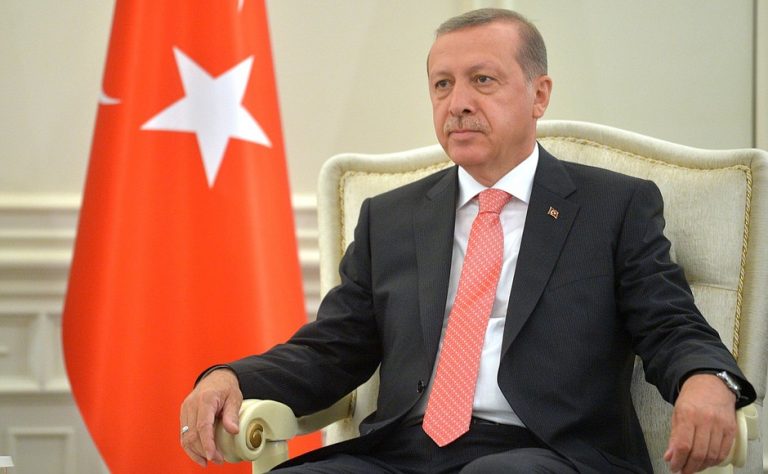
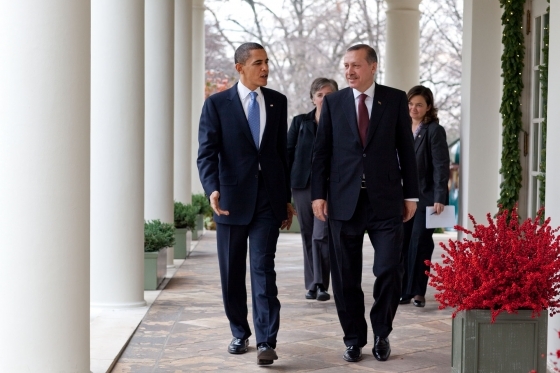
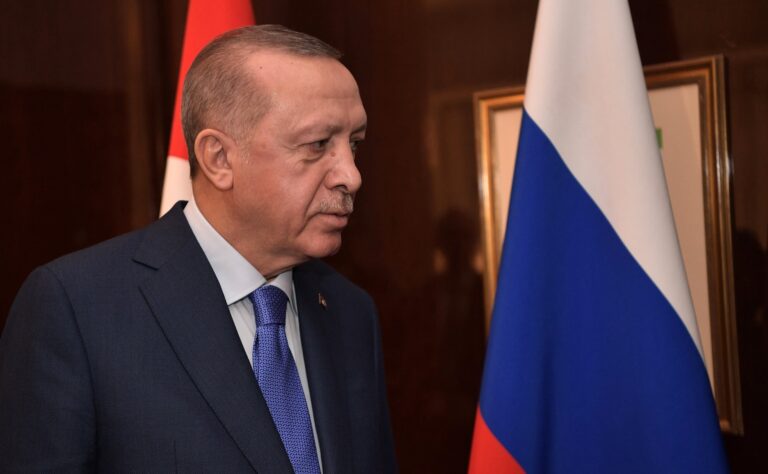
Turkish president Recep Tayyip Erdoğan is at odds with just about everybody. He is on opposite sides with Russia in Syria as well as Libya and is trying the patience of his US and European allies. Turkey and Russia are testing the limits of what was always at best an opportunistic, fragile partnership aimed at capitalizing on a seemingly diminishing US interest in the Middle East, already evident under President Barack Obama and continuing under Donald Trump, who is haphazardly redefining what he sees as America’s national interests.
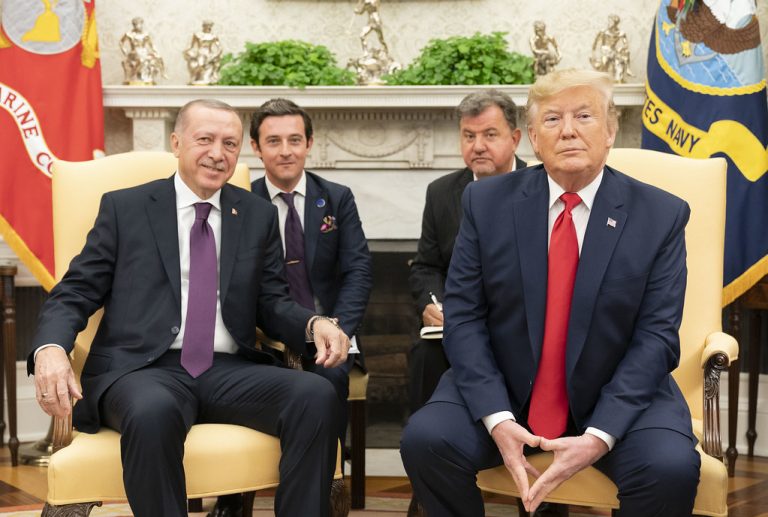
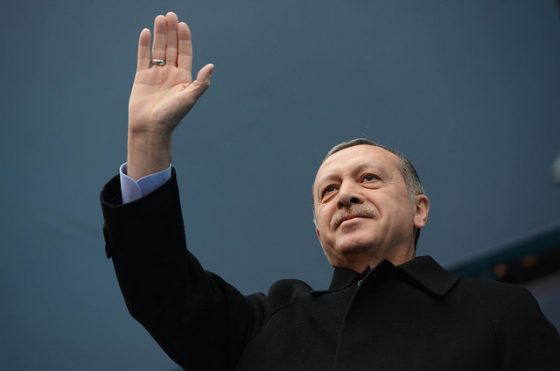
President Recep Tayyip Erdoğan, undoubtedly the most popular and divisive leader in modern Turkish history, has already ruled the country longer than Atatürk, the founder of modern, secular Turkey. By 2023, when his presidential term expires, Erdoğan will have ruled Turkey for 21 years compared to Atatürk’s 15. It may sound like a joke, but the Turkish president, among other duties, will now have the authority to set pharmaceuticals prices and traffic fines for motorists driving without winter tires on snowy roads.
Turkish President Recep Tayyip Erdoğan perceives the Kurdish belt along Turkey’s Syrian and Iraqi borders as the country’s top security threat, and has recalibrated his policies accordingly. But he has a Kurdish constituency inside Turkey and will need their votes in 2019. During the upcoming presidential campaign, Erdoğan will have to find a miracle equilibrium: how to win Kurdish votes without losing nationalist Turkish votes?
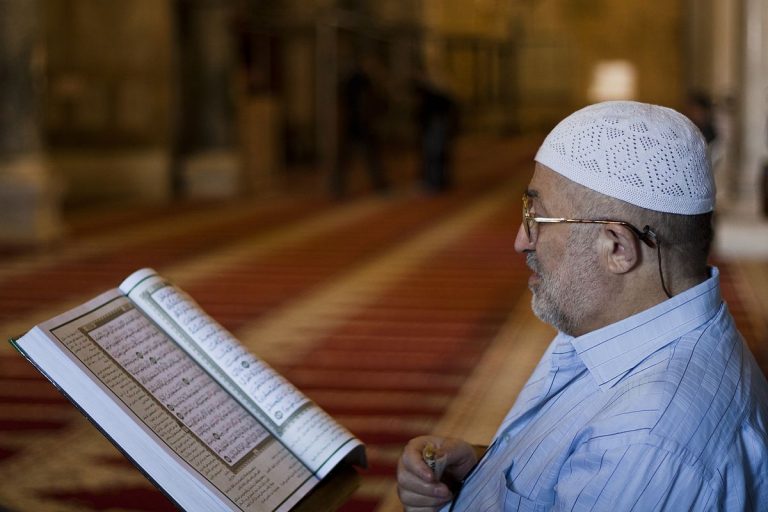
Turkey continues to insert itself more and more into the ongoing clashes on the Temple Mount, almost as if it legally represents the Palestinians in the dispute. Turkey's anti-Israel agitation, which garners wide support among Palestinians in both Gaza and the PA, is hardly new. But its patronage of the Palestinians hides more than religious sentiment. Turkish anti-Zionism, which aligns directly with anti-Semitism, is being expressed once again through the current friction.
Turkish President Recep Tayyip Erdoğan, who firmly believes it is religion that should shape national friendships and enmities, has tried singlehandedly to inject love for the Arab into Turkish society. The desire to accomplish this has implications for Turkish foreign policy. Erdoğan’s grand design has crashed not only into the Arab Spring but also into Middle East realism. The Saudi-led Gulf siege of Qatar came as a complete shock: one Sunni brother had taken out the sword against another.

Accessibility Toolbar