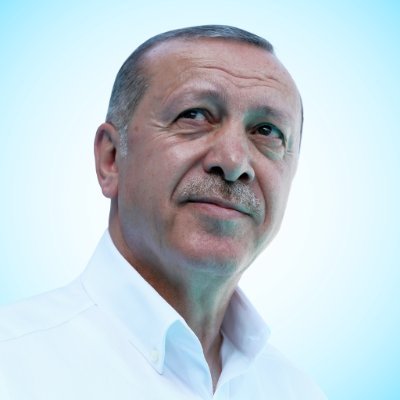
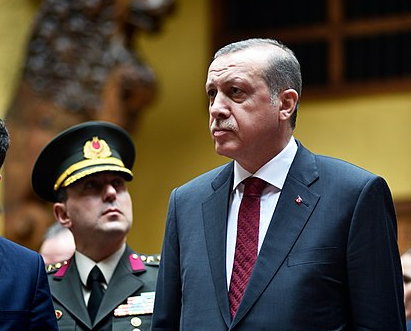
Recep Tayyip Erdoğan

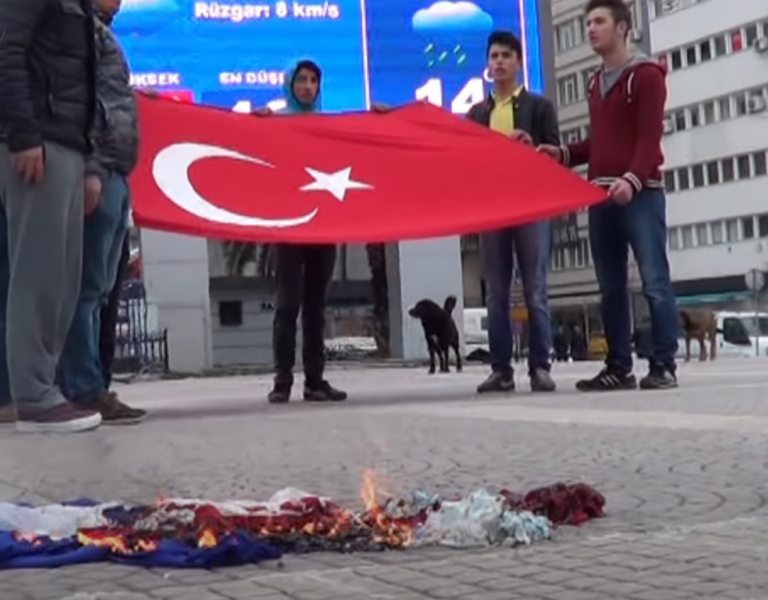
Ankara first attempted to use a commercial boycott as a foreign policy weapon in 1998, when Rome refused to extradite Kurdish nationalist Abdullah Öcalan. Turkey has made scores of national boycott attempts since then, but they invariably lose steam quickly. President Recep Tayyip Erdoğan’s most recent boycott threat against France will be no exception.
The EU does not have the option of being indifferent to the antics of neo-Ottoman bully Recep Tayyip Erdoğan. Doing so would discredit the EU and weaken its soft power. But sanctions, if miscalculated, could create new problems if they go beyond the desired target. Surgical precision will be needed.
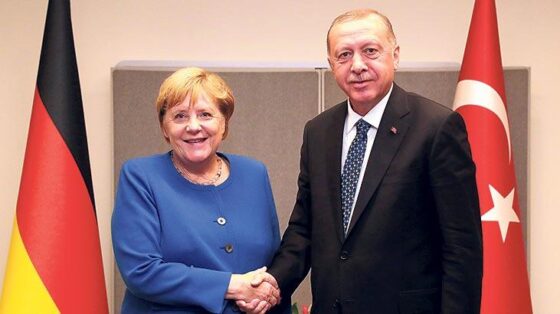
Turkey’s relations with Germany have always been privileged, but Angela Merkel took that relationship even further by treating Recep Tayyip Erdoğan as a protégé in the international arena. Their relationship strengthened in parallel with a significant increase in German-Turkish military and trade cooperation. But Merkel’s term is coming to an end, and there has been a noticeable shift in tone within the Berlin political establishment toward Ankara. The Turkish president will not be able to count on German benevolence forever.
The recent escalation of tensions in the Aegean has the potential to strengthen the political bond between Greece and its Western allies, as well as force the EU to shift from threatening sanctions on Turkey to actually imposing them. Turkish president Recep Tayyip Erdoğan will try to keep tensions high enough to present a heroic front to his Islamist/nationalist base but not high enough to trigger EU sanctions.
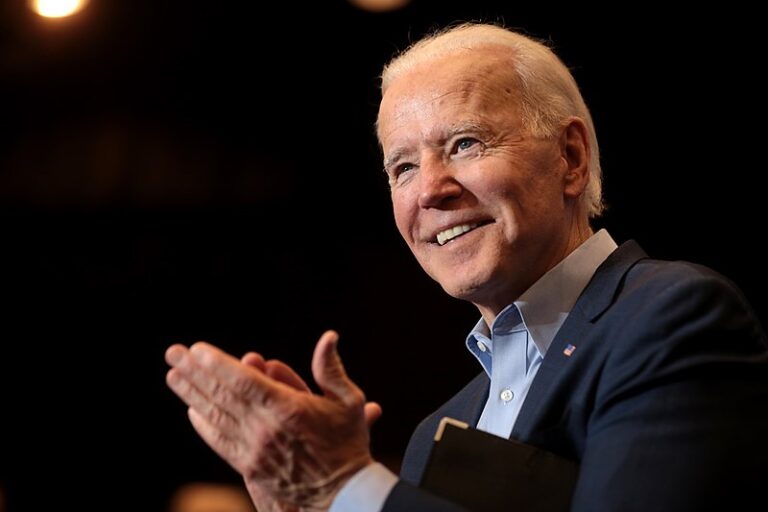
If Joe Biden remains loyal to his pre-election rhetoric, he might punish Recep Tayyip Erdoğan’s Turkey with a slew of sanctions for buying critical weapons systems from Russia and helping to weaken US sanctions on Iran. But Biden’s history with Erdoğan gives mixed indicators of how he might deal with Turkey’s increasingly authoritarian leader. Biden will not be able to opt for a pragmatic approach to Ankara completely free of concerns over civil liberties and human rights—Turkey’s ever-widening democracy deficit makes that impossible. But Erdoğan’s team can “buy” a new modus operandi with Washington under Biden.
After the infamous Mavi Marmara incident of May 2010, Turkish president Recep Tayyip Erdoğan and then foreign policy tzar Ahmet Davutoğlu (later PM and now an Erdoğan opponent) pledged to internationally isolate Israel. This was intended to help them advance their Islamist agenda and augment an emerging unity in the umma, preferably under Turkish leadership. A decade later, pragmatic Arab states are lining up to normalize relations with Israel, leaving state actors Iran and Turkey as well as non-state actor Hamas in a punishing position of international isolation—exactly where Turkey wanted to push Israel.

Accessibility Toolbar