Syria

The desire of the international community to end the Syrian civil war is offset by the inability of any individual party to enforce its preferred solution. The conflict, which is likely to continue for some time, has solidified the centrality of Russia and Iran in regional affairs. Israel’s options are limited.
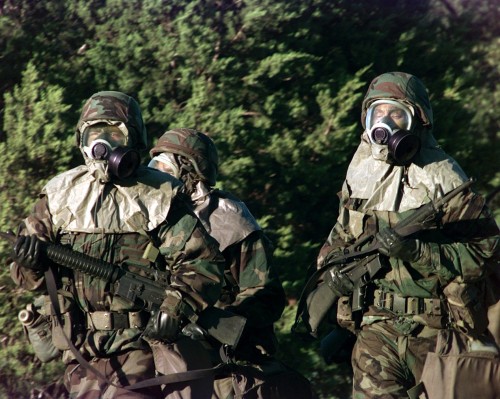
The risk of ISIS employing chemical, biological, and radiological warfare agents is real. In fact, ISIS already has attacked with chemical agents. ISIS has mobilized Iraqi and Syrian scientists who are assisting in the development of chemical weapons, particularly nerve and mustard gas, alongside foreign experts. It also has reportedly moved its labs, experts, and materials from Iraq to Syria.
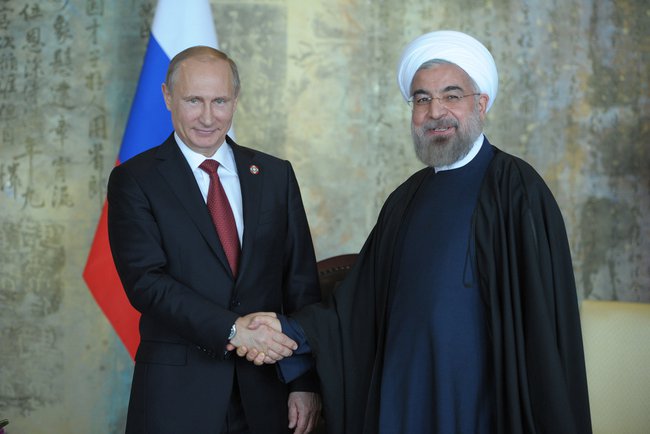
There is a contradiction between the ultimate purposes of Russia and Iran in their intervention in Syria. Putin’s concern for Assad's survival could give Israel some policy leverage, if Israel astutely navigates its way through the situation. This means that Israel should not be tempted to support Saudi-led efforts to unseat Assad or otherwise bring about a decisive outcome in Syria’s civil war.

Accessibility Toolbar