Turkey

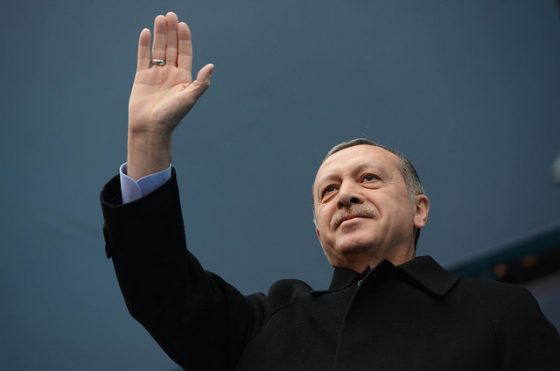
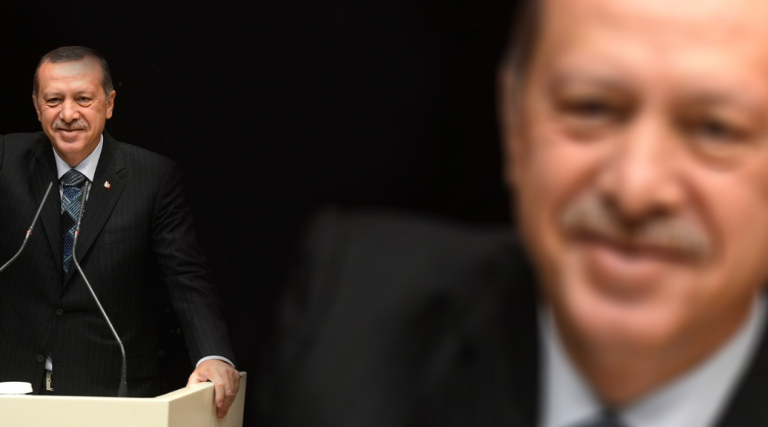
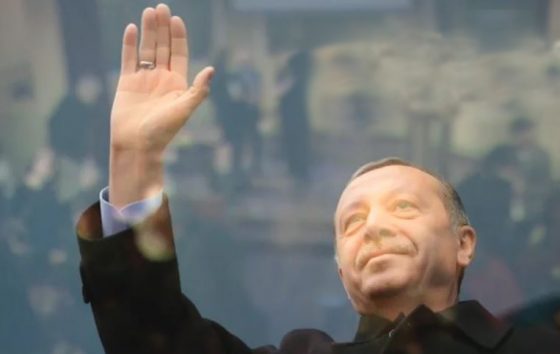
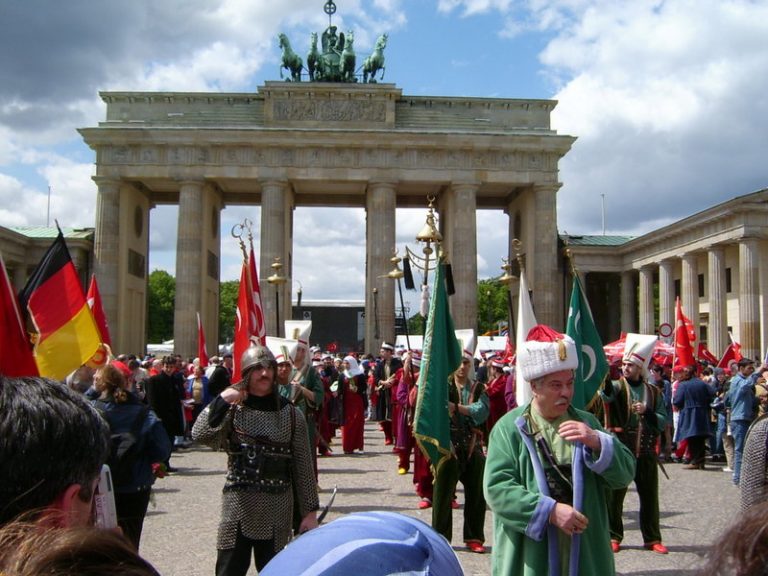
When, two days after the mass shooting in New Zealand, Turkish VP Fuat Oktay and FM Mevlüt Çavuşoğlu became the first high-level foreign government delegation to travel  to Christchurch, they were doing more than expressing solidarity with New Zealand's grieving Muslim community. They were planting Turkey's flag as part of a global effort to expand support for President Recep Tayyip Erdoğan's style of religiously packaged authoritarian rule – a marriage of Islam and Turkish nationalism – beyond the Turkic and former Ottoman world.
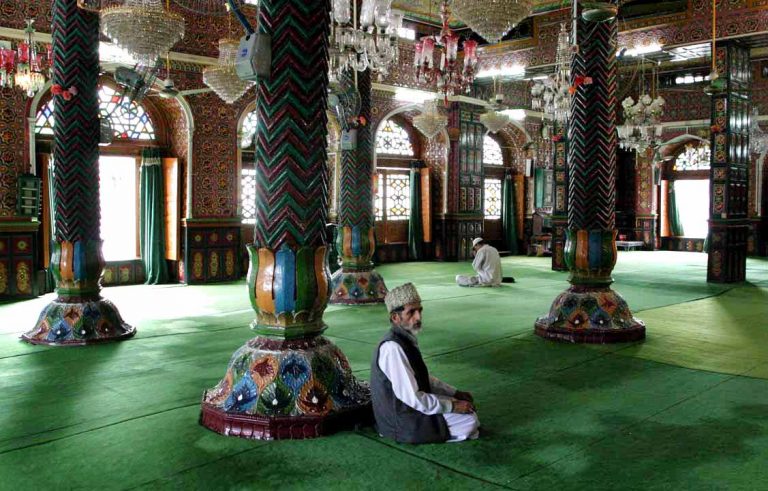
The age of empire has come and gone, but in some quarters, the imperialist dream is alive and well. Leaders continue to appear on the world stage from time to time to style themselves in this fashion. The latest entry in this category is Turkish President Recep Tayyip Erdoğan, who is promoting himself as leader of the Muslim world to his coreligionists around the globe – particularly in India.
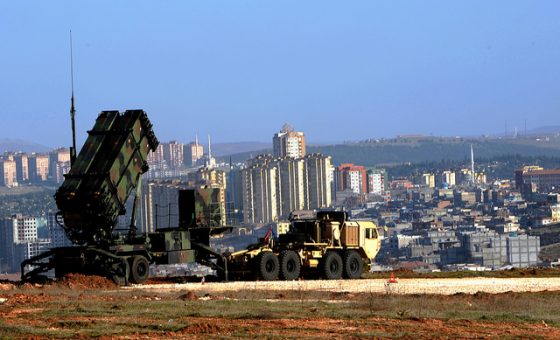
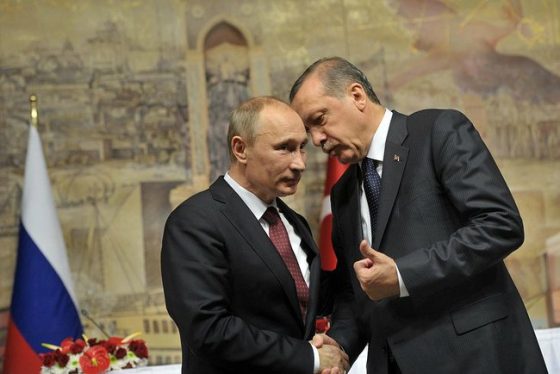
The US administration has offered to sell $3.5 billion worth of Patriot missiles to Turkey, apparently in an effort to stop Ankara from going ahead with a planned S-400 deal with Moscow. The Turks will probably shrug off the offer (after making sure it’s not an offer they can’t refuse). For reasons largely unrelated to its military requirements, Ankara has no intention of scrapping the S-400 deal and risking its geostrategic bonds with Moscow.
Turkey’s radical shift in crises, first with Russia and then with America, shows that while President Recep Tayyip Erdoğan can be confrontational along ideological lines, he is not suicidal. He cannot afford to risk a punishing economic crisis that might cost him his power.
On October 13, 1921, the Kars Agreement was signed in the town of Kars in eastern Anatolia (Western Armenia). This agreement redrew, in Turkey’s favor, the Kars-Ardahan-Artvin border between Turkey and the Caucasus republics of Georgia, Armenia, and Azerbaijan, an area that had been stripped from Turkey by the post-WWI Sèvres peace treaty. While there are irredentist trends in the now independent Caucasian republics that wish to invalidate the Turkish claim, they are being restrained by present day realities.
Competition among Middle Eastern rivals and ultimate power within the region’s various alliances is increasingly as much economic and commercial as it is military and geopolitical. Battles are fought as much on geopolitical fronts as they are on economic and cultural battlefields such as soccer.

Accessibility Toolbar