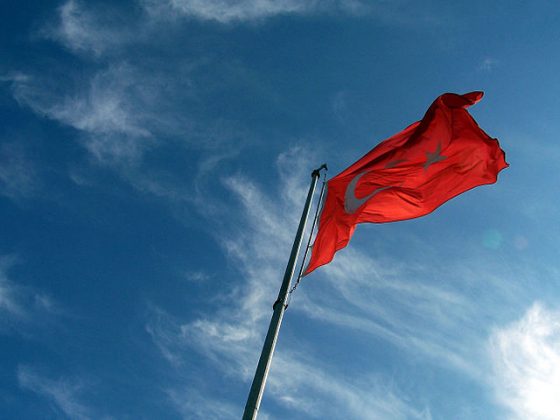
Turkey

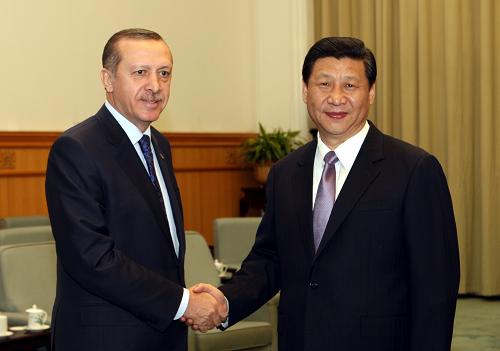
The volume of trade between China and Turkey grew significantly in the first decade of this century. The countries’ relationship is now strengthening further, reflecting Turkey’s interest in participating in the BRI and the Chinese leadership’s struggles with its Uyghur minority. Judging from recent declarations, it appears the relationship will hold up, as neither side has viable alternatives to this alliance.
Turkey says it wants to join the EU, but has no intention of complying with membership rules. The EU says it wants Turkey to join, but is fully aware that it does not qualify. Turkey pushes forward in the hope that the EU might someday change its rules; the EU pushes forward in the hope that Turkey might someday qualify. Neither will happen.
Turkey continues to insert itself more and more into the ongoing clashes on the Temple Mount, almost as if it legally represents the Palestinians in the dispute. Turkey's anti-Israel agitation, which garners wide support among Palestinians in both Gaza and the PA, is hardly new. But its patronage of the Palestinians hides more than religious sentiment. Turkish anti-Zionism, which aligns directly with anti-Semitism, is being expressed once again through the current friction.
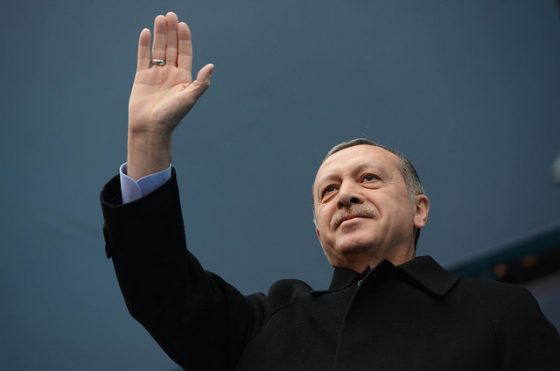
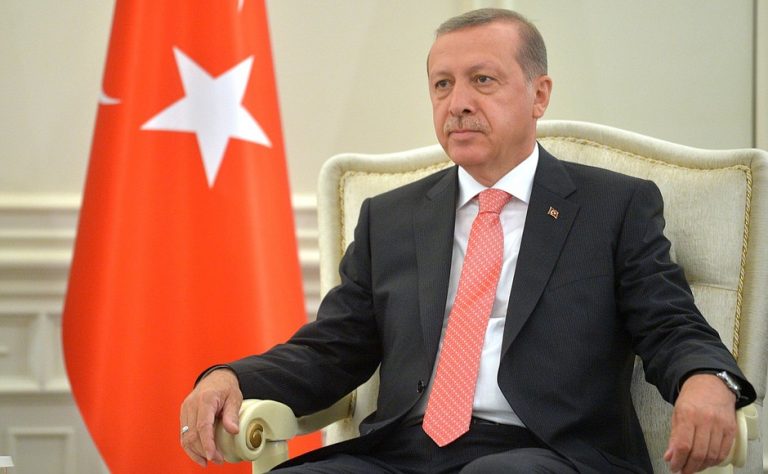
Turkish President Recep Tayyip Erdoğan, who firmly believes it is religion that should shape national friendships and enmities, has tried singlehandedly to inject love for the Arab into Turkish society. The desire to accomplish this has implications for Turkish foreign policy. Erdoğan’s grand design has crashed not only into the Arab Spring but also into Middle East realism. The Saudi-led Gulf siege of Qatar came as a complete shock: one Sunni brother had taken out the sword against another.
The siege of Qatar is sending messages on many wavelengths, some intended for Turkey. Sadly, Erdoğan is too ideologically blind to see that Turkey is standing on the wrong corner at the wrong moment. Doha may not be the same place after the Gulf Arabs find a way out of their crisis. A less Turkey-friendly Qatar may well emerge.
Discounting the sincerity of Turkish President Erdoğan’s fiercely anti-western rhetoric ahead of the April 16 referendum is akin to disregarding bitter facts about once staunch NATO ally Turkey. NATO’s deepening “Turkey problem” is contained in the country’s Islamist ideology, conspicuous “un-likemindedness”, and democratic anomalies, which stand against NATO’s founding values of safeguarding freedom and the principles of democracy, individual liberty, and rule of law.
Turkey has reduced its dependency on foreign arms technology in recent years to the advantage of its local industry, which is striving to design, develop, and build a rich menu of indigenous systems. Turkey’s goal in fostering this industry is to achieve self-sufficiency in weapons technology that it can then use to bolster its regional political clout. However, there are technological, financial, and political challenges standing in the way of reaching that goal.

Accessibility Toolbar