Turkey

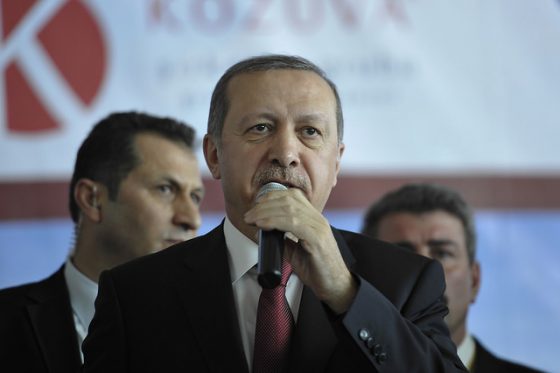
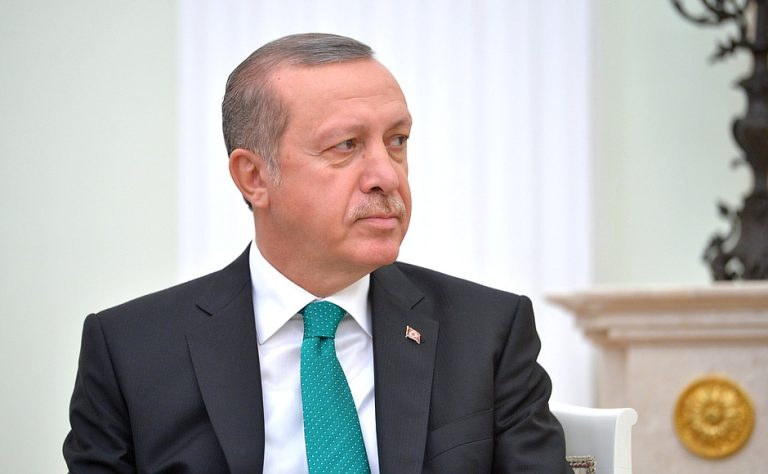
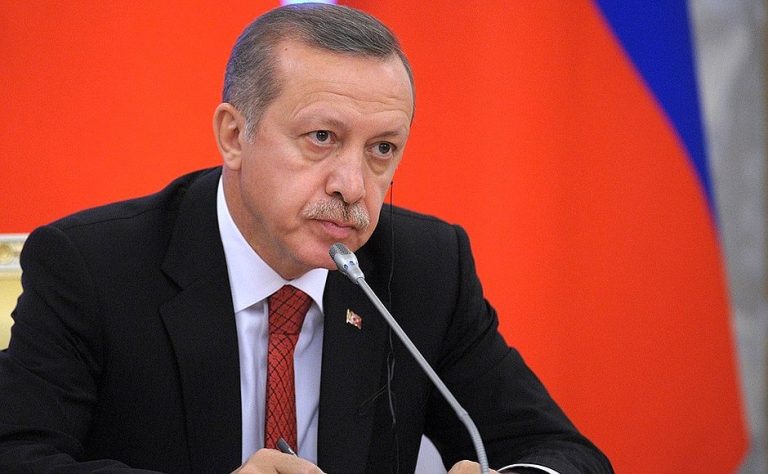
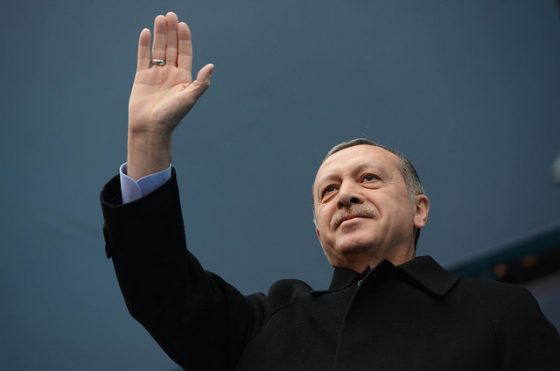
Optimists thought Turkish President Recep Tayyip Erdoğan’s inflammatory, anti-Western pre-referendum rhetoric was just election talk that would disappear after the ballots were counted, but that was a vain hope. The sweeping new powers granted to Erdoğan by the constitutional amendments, and the average Turk’s persistent desire for more confrontation with Turkey’s “enemies”, will force Erdoğan to keep up the fiery language, especially ahead of crucial presidential elections in 2019.
The legitimacy of the recent Turkish referendum is under dispute, further polarizing an already divided Turkish society. With no effective mechanisms for conflict resolution, and headed by an authoritarian Erdoğan, Turkey is heading towards a socio-political crisis. This might include a deteriorating economy, a flight of elites, and possibly even violence. Turkish nationalism remains very strong, however, and can be enlisted to divert attention from Turkey's domestic problems. Erdoğan might decide to use his increased power to pursue an adventurist foreign policy rooted in his Islamist and neo-Ottoman impulses.
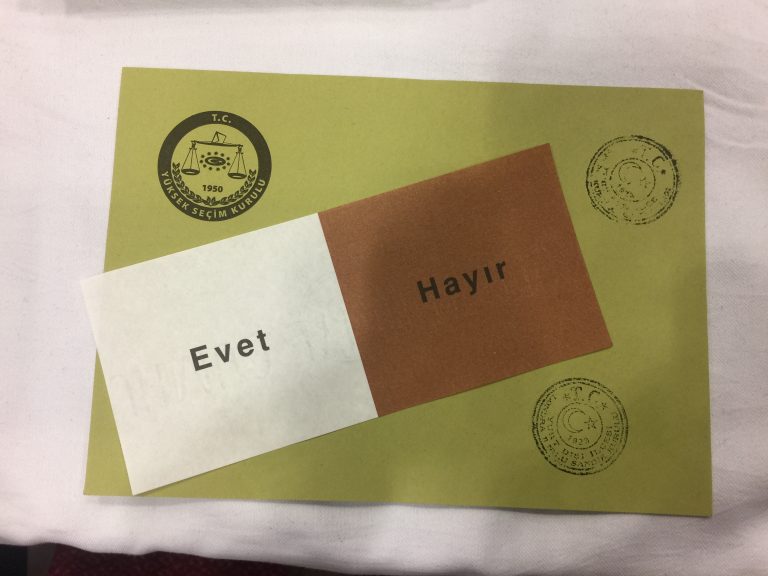
The referendum victory of April 16, 2017, which gave Recep Tayyip Erdoğan unchecked powers, has left Turkey bitterly polarized. Fresh rounds of political tensions are likely in a country where half the population loves the president and the other half hates him. Erdoğan’s longer-term game plan is to ensure that Turkey will continue to elect conservative, nationalist presidents and governments after his day is done.
Since 2004, Turkey has descended from winning accession talks with the EU to the “sick man of European democracy.” President Erdoğan, in his efforts to consolidate his conservative and nationalist voters, continues to fan fears of real or fabricated enemies, with particular emphasis on “Christian crusaders.” Few Turks (or Kurds) appear to care about Ankara’s disturbing and ever-worsening democratic deficit. Twenty-first century Turkey is behaving like the country described decades ago by a Turkish philosopher: “[It] is a ship heading east. Those aboard think they are heading west, but they are just running west on a ship sailing east.”
European countries, concerned about Turkey's swing towards authoritarianism, are not allowing political campaigns by AKP members on their soil, a decision that has rankled the Turkish ruling party. Ankara’s relations with Europe have deteriorated for other reasons as well: the support Europe allegedly gives the PKK, its reluctance to acknowledge the alleged responsibility of FGM for the coup attempt in July 2016, and the refugee deal. As the gaps widen between Turkey and Europe, it might be better for both sides if Europe made up its mind about Turkish admission to the EU.
Violence is not the only means by which Islamist groups and individuals hope to expand Islamic influence, establish Islamic governments, and eventually restore the caliphate. In addition to the Islamic State (ISIS) and al-Qaeda, many non-violent, legal groups either overtly or covertly share those aims. “Are they violent or not?” should not be the main question while analyzing Islamist groups or governments. “What is their aim?” is the better question if we are to understand them and take effective precautions. Methods might vary, but the establishment of Islamic rule is the ultimate goal of Islamist ideology.
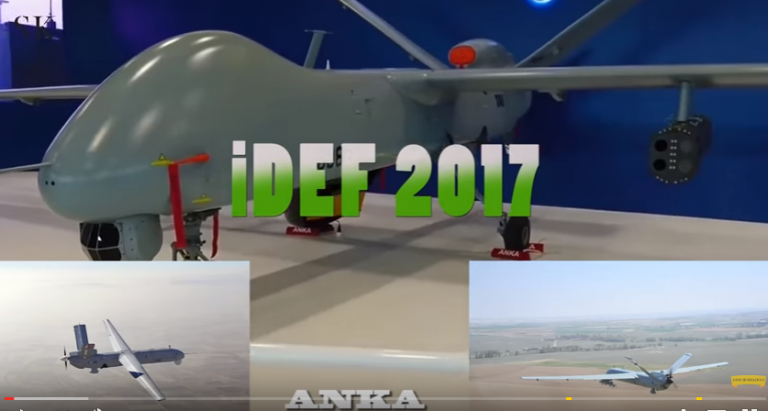
The rising tide of an aggressive blend of nationalism and Islamism might be prompting Ankara to pursue its own WMDs, and its preference appears to be long-range missiles. As Turkey feels more threatened by real or (mostly) imagined enemies, it increasingly views maximum possible military deterrence as essential to both survival (a defensive goal) and assertiveness (an offensive one). Precise long-range missiles are unlikely, and nuclear warheads even more so. What matters is not whether Turkey can build up a dangerous arsenal but why it wants one.
Turkey – notwithstanding its official denials – has shown itself extremely reluctant to designate the Islamic State (ISIS) a terrorist organization, and that reluctance has hampered efforts to bring ISIS suspects to justice. Ankara has frozen the assets of ISIS but continues to stop short of officially labeling it a terrorist group. In view of the fact that ISIS has used Turkish territory as a transit route into Syria and Iraq and has placed sleeper cells in dozens of Turkish cities, Ankara would be well advised to designate the group a terrorist organization.

Accessibility Toolbar