Turkey

The rising tide of an aggressive blend of nationalism and Islamism might be prompting Ankara to pursue its own WMDs, and its preference appears to be long-range missiles. As Turkey feels more threatened by real or (mostly) imagined enemies, it increasingly views maximum possible military deterrence as essential to both survival (a defensive goal) and assertiveness (an offensive one). Precise long-range missiles are unlikely, and nuclear warheads even more so. What matters is not whether Turkey can build up a dangerous arsenal but why it wants one.
Turkey – notwithstanding its official denials – has shown itself extremely reluctant to designate the Islamic State (ISIS) a terrorist organization, and that reluctance has hampered efforts to bring ISIS suspects to justice. Ankara has frozen the assets of ISIS but continues to stop short of officially labeling it a terrorist group. In view of the fact that ISIS has used Turkish territory as a transit route into Syria and Iraq and has placed sleeper cells in dozens of Turkish cities, Ankara would be well advised to designate the group a terrorist organization.
The unending refugee crisis, the failed Turkish coup and subsequent purge, and Brexit are all causing great apprehension in Athens. But these challenges might present new opportunities. Turkish tensions with the West highlight Greece’s status as the most responsible element in the eastern Mediterranean, which could bolster Greece’s relations with both the EU and the US.
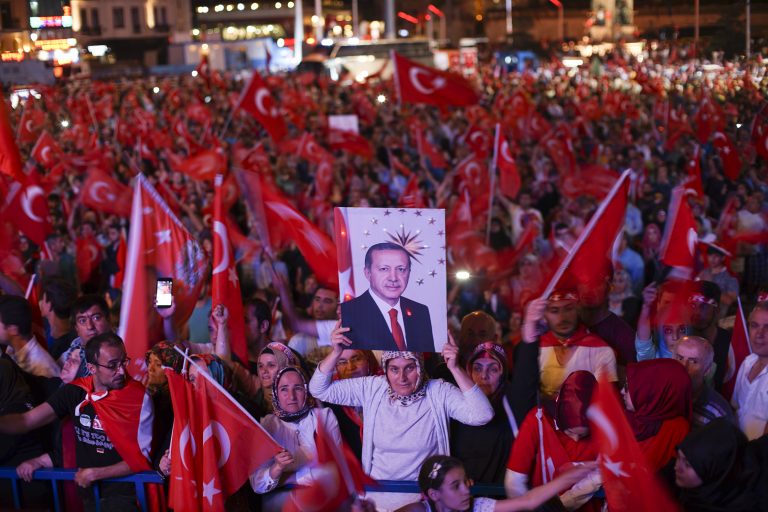
The fallout in terms of the regional balance of power from the failed coup d’état is bound to be significant. There is little to cheer, even if the timely conclusion of Israel's reconciliation with Turkey has so far spared Israel the traditional accusation of being behind the plot (and may even put Israeli diplomacy in a position to be of help in reducing the flames).
The desire of the international community to end the Syrian civil war is offset by the inability of any individual party to enforce its preferred solution. The conflict, which is likely to continue for some time, has solidified the centrality of Russia and Iran in regional affairs. Israel’s options are limited.

Accessibility Toolbar