Turkey

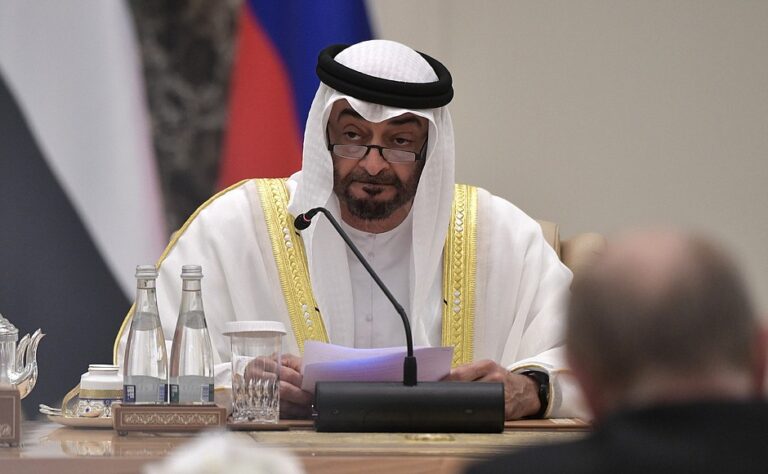
Europe is being progressively sucked into the Middle East and North Africa’s myriad conflicts. As if wars on its doorstep in Libya and Syria were not enough, UAE support for an Eastern Mediterranean pipeline that could hurt Qatar economically—combined with Greek, Cypriot, and French opposition to Turkish moves—leaves Europe with few, if any, options but to get involved.
Only 12% of Turks say they trust Islamic clerics, and more and more young Turks are unhappy at religious school. As high a proportion as 60.5% of pro-Erdoğan youths say they would rather live in Switzerland with half the salary they could have earned in Saudi Arabia. The fertility rate has fallen to 1.99—below the 2.1 rate required to sustain existing population figures. Despite Erdoğan’s unchallenged popularity, power, and authoritarian rule, Turkey is evolving demographically in a way that defies the dictates of Islamist social engineering.
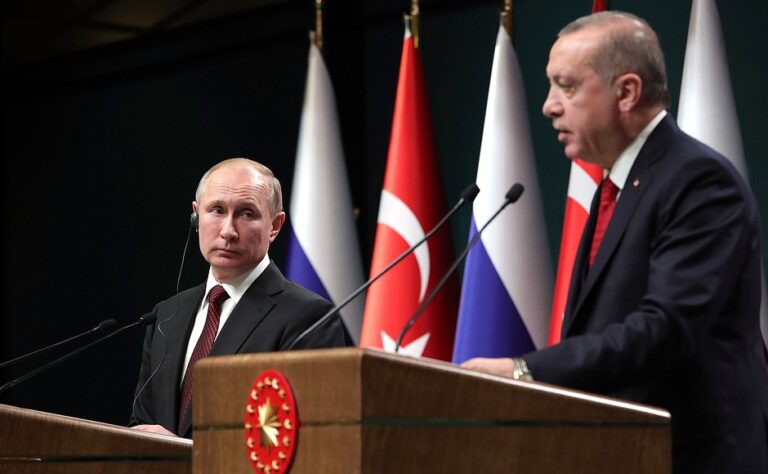
Turkey and Russia are embroiled in separate proxy conflicts on multiple fronts in Syria and Libya, but could be on a collision course in the complex political landscape of Yemen. This can be avoided if Turkey does not try for an aggressive Islamist takeover and respects Russia’s desire to share gas profits, exercise political influence with whatever factions end up dominating the sphere, and retain access to strategic waterways.
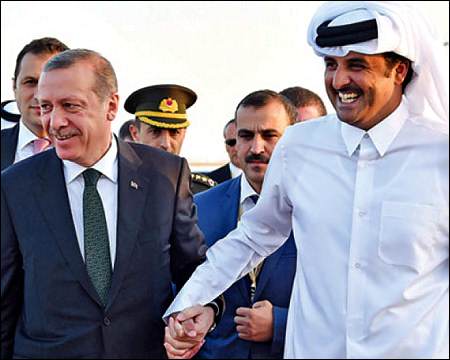
Qatar has done it again. Just as it did in 2018, Doha has rushed billions of dollars to Turkey to thwart the Turkish lira’s slide in the face of US sanctions. In other words, one US ally has helped another US ally evade US sanctions—and more than once.
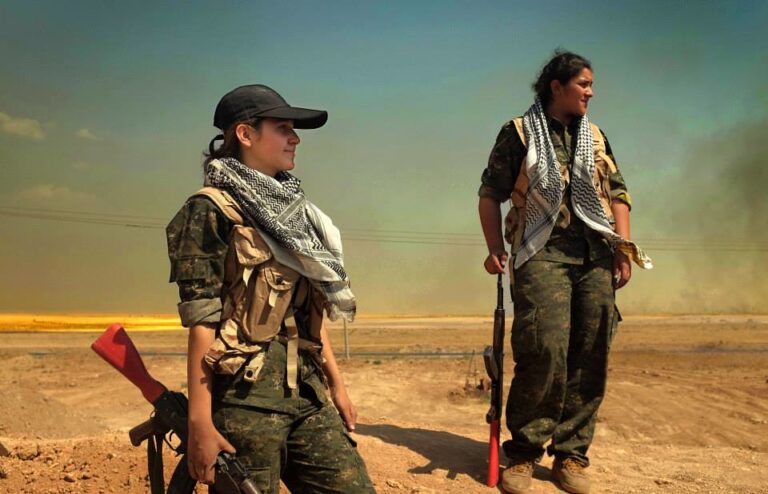
The US is backing Kurdish unity talks as part of a policy centered around appeasing Turkey’s national security concerns about the PYD’s essential role in Syria. However, all signs indicate that Turkey sees this gesture as no more than a ruse to normalize its enemies. Only a more involved and active US foreign policy will cement any gains around a more stable and unified Kurdish presence.
Turkey’s political polarization along conservative and secular lines is showing signs of being a slow-fuse time bomb. For most Turks, the domestic “political other” is not just a rival but a traitor, an enemy within—and Turks are increasingly expressing their willingness to kill or die to purge that other.
Turkey exhibits a remarkably stubborn selective amnesia about its own history. The country claims the title of world’s greatest friend to the Palestinians and most ardent champion of their cause, yet forgets that the Palestinians assisted both the Armenians and the Kurds in their bloody fights against Turkey.
The coronavirus crisis has exposed Arab and Islamic notions of fraternity, mutual commitment, and solidarity as hollow rhetorical slogans. Each country in the region is focused entirely on its own efforts to survive economically, socially, and politically as the pandemic continues to wreak havoc.

Accessibility Toolbar