US

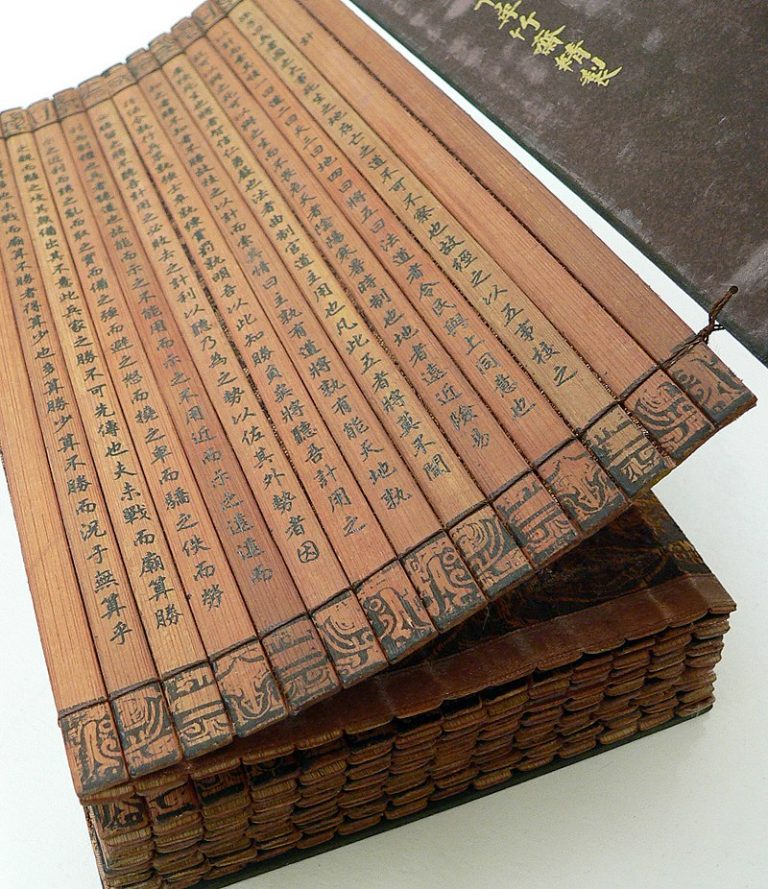
Although nuclear strategy must, by definition, be shaped without historical precedent, it should contain certain ancient core concepts. The strategic postulates first laid down by Sun Tzu could be referenced usefully by the current architects of US nuclear strategy, especially with reference to an already nuclear North Korea, and to a plausibly future nuclear adversary in Iran. These first principles could be applied to US ally Israel, in consequence of their direct impact on US policies, and to ongoing North Korean military activity in Syria or the wider Middle East.
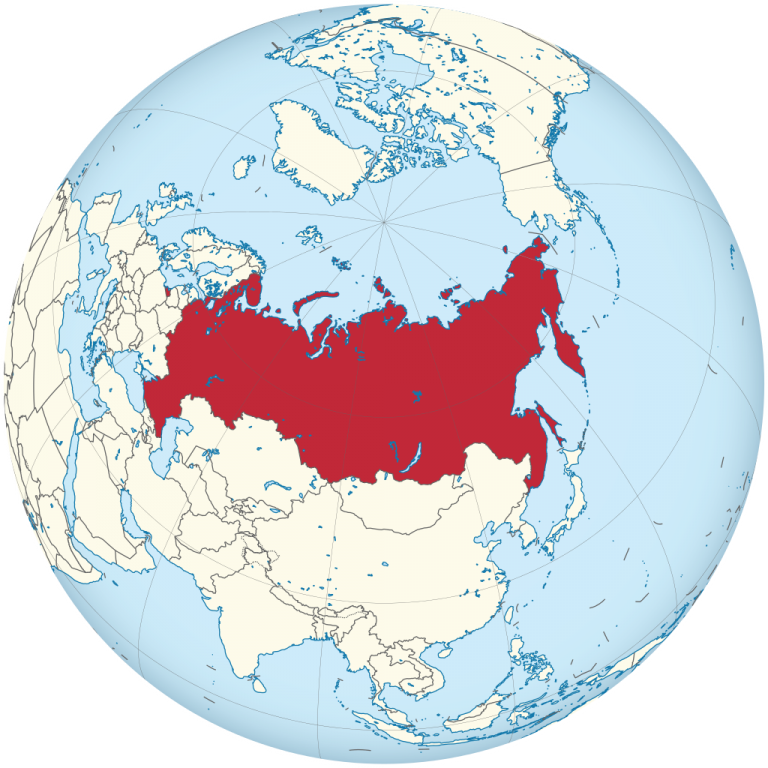
China and the US have different geopolitical imperatives, so tensions are bound to increase between the two powers. Russia’s position in the nascent confrontation will be important to watch, as it is simultaneously under pressure from the West and in the shadow of Chinese economic strength. Russia will likely see US-China competition as providing an opportunity to improve its own geopolitical position.
Anti-Semitism is the most insidious hatred in history. Aversion to Jews has flourished under so many circumstances that it is hard to find a common denominator accounting for its manifold manifestations. However, there have been periods when non-Jews showed strong sympathy and solidarity towards Jews. Perhaps the best illustration of this friendship is modern America.
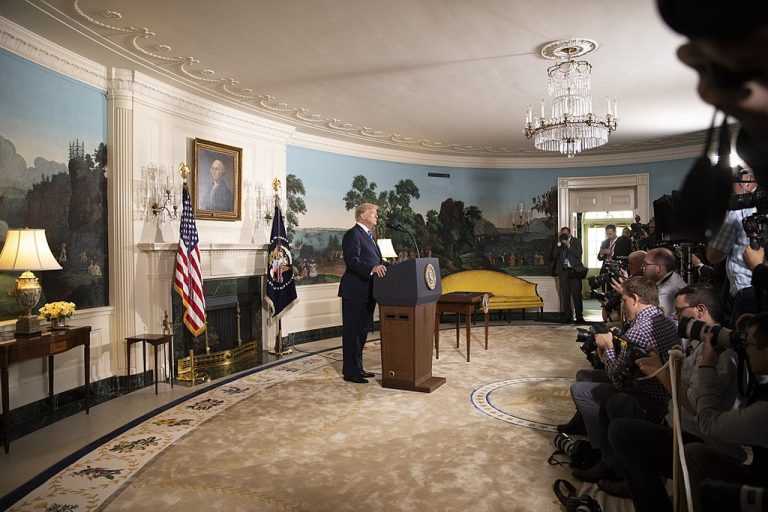
Q:   On May 8, 2018, President Donald Trump announced the withdrawal of the US from the Joint Comprehensive Plan of Action, or JCPOA. His intention is to impose the highest possible level of economic sanctions on Iran and perhaps sanction other nations that assist Tehran in its quest for nuclear weapons. The “nixing” of the deal might be followed by a “fixing” of the deal. BESA joins the debate by posing the question: After the US withdrawal from the JCPOA, where do we go from here?
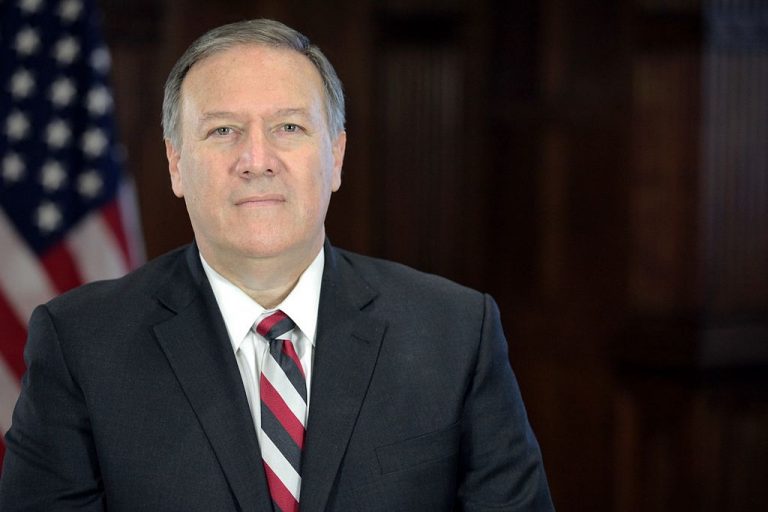
US Secretary of State Mike Pompeo's speech on May 21, 2018 was an important step in the realization of the Trump Doctrine. The 12-point speech outlined the administration’s nuclear nonproliferation strategy against Iran, which strives to exert constant pressure on Tehran so as to goad it into a new nuclear deal.
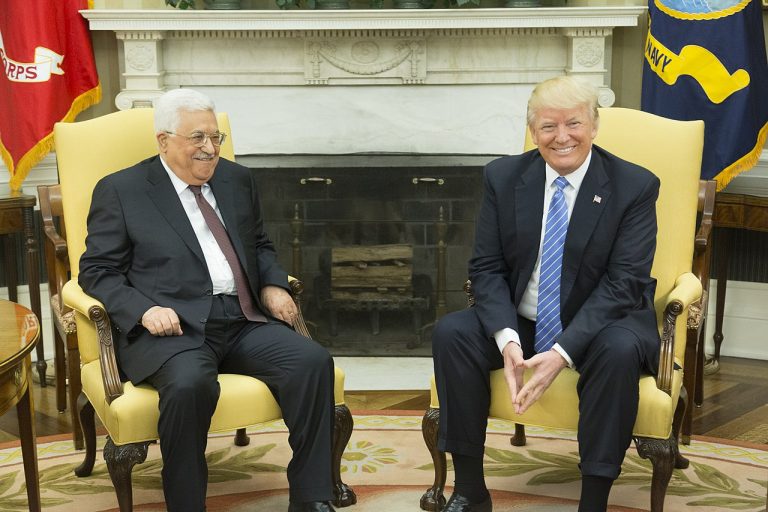
Q: On January 2, 2018, US President Donald Trump threatened to pull funding from the Palestinians with the tweet: “But with the Palestinians no longer willing to talk peace, why should we make any of these massive future payments to them?” Two weeks later, the US said that it while it remains committed to a voluntary contribution of $60 million to sustain Palestinian schools and health services, it is holding back a further $65 million for reconsideration. BESA joins the debate by posing the question: Should US aid to the Palestinians be suspended?
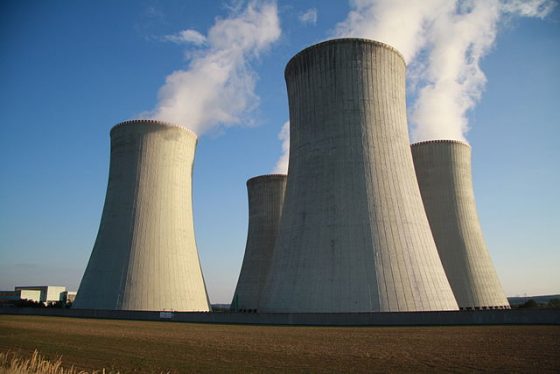
Talks aimed at transferring US nuclear technology to Saudi Arabia serve as an indicator of where the Saudi-Iranian rivalry is heading as well as the strength of the informal Saudi-Israeli alliance against Iran. The possible transfer could spark a new arms race in the Middle East and constitutes one explanation why Saudi responses to President Donald J. Trump’s recognition of Jerusalem as the capital of Israel were muted and limited to rhetorical statements.

Accessibility Toolbar