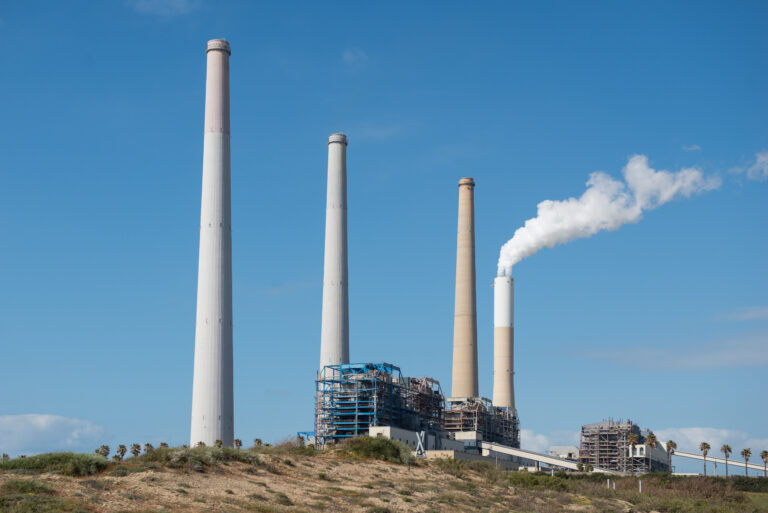
The war in Gaza has revealed serious weaknesses in the Israeli electricity sector that do not have an immediate solution, and there is no unanimity on the extent of the damage that will be caused if the war in the north expands. Extreme scenarios range from several hours to several days without electricity in the major cities and the center of the country and several weeks of such conditions in the border areas. These scenarios would require the Israeli citizen, who is not used to power outages, to be calm and patient. In the long term, the security of the Israeli electricity sector will require the installation of expensive infrastructures and a significant easing of regulations that will take years to implement and require direct government support. These moves include the search for additional gas fields and the construction of backup gas pipelines, greater decentralization of the electricity sector through solar technologies, upgrading of power transmission lines, promotion of hydrogen technologies for electricity storage, and greater storage of emergency fuels. One bright spot concerns Israel's regional status with regard to connectivity and energy exports. The dependence of Egypt and Jordan on Israeli gas proved to be a moderating factor in the war, and plans to connect pipelines and power lines from the Gulf countries to Europe through Israel received an additional incentive following the Houthi attacks on Bab al-Mandab.