May 20, 2026

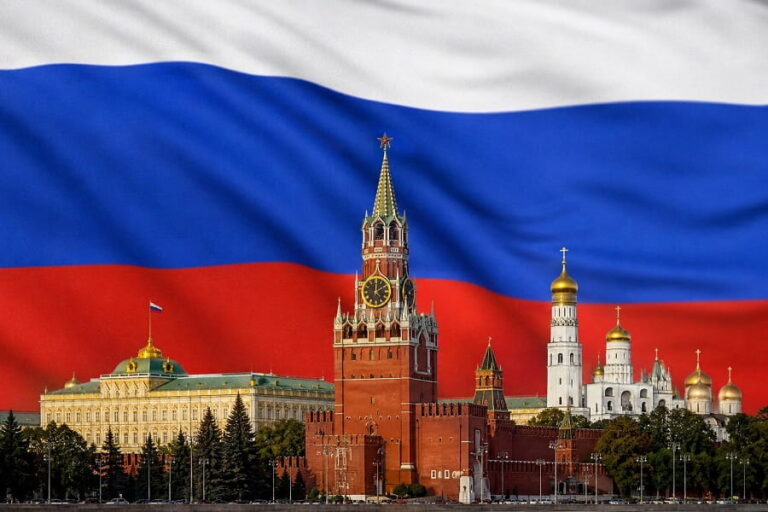
Kremlin Russia (AI generated)
Russia’s autumn 2026 elections cannot be characterized as routine. In many respects, they will constitute a plebiscite on the very survival of the “systemic opposition” model - a model that has endured without fundamental change for two decades. Even the Kremlin’s opponents do not dispute United Russia’s commanding electoral advantage. What remains in question is the architecture of the internal-systemic opposition to the party of power - an architecture that, by all indications, will look markedly different from the present one.
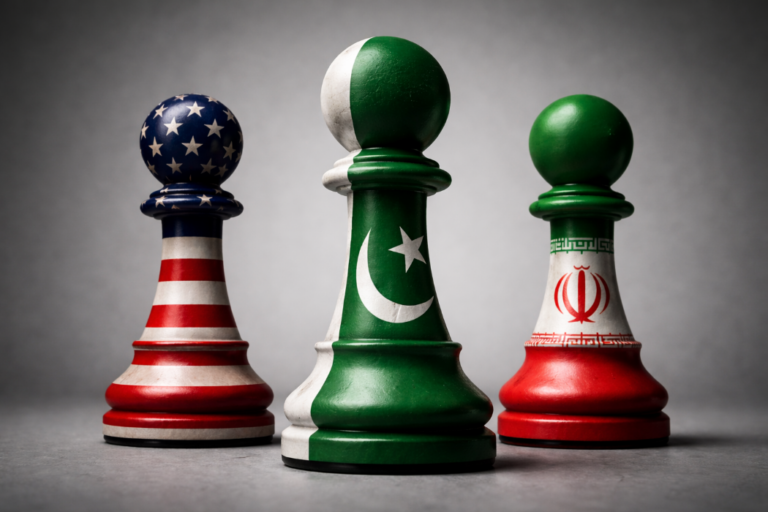
Pakistan is attempting to position itself as a mediator in the West Asia crisis during the conflict involving the United States, Israel, and Iran. This effort should be viewed not as a neutral peace initiative but as a calculated survival strategy. Islamabad seeks to convert its geopolitical relevance into economic, diplomatic, and security gains against a backdrop of economic fragility, high dependence on external actors, and persistent security threats on its borders. There are three primary motives behind Pakistan’s involvement: the need to curb economic shocks resulting from regional escalation; the fear of instability spreading to the domestic arena, particularly Balochistan; and the need to carefully manage relations with Saudi Arabia and Iran simultaneously. Pakistani mediation does not reflect surplus power or regional decisiveness. It is instead an effort to maintain maneuverability, accumulate legitimacy, and prevent a deterioration that would primarily harm Pakistan itself.

Accessibility Toolbar