July 2, 2026

On Thursday, June 25, 2026, an unusual diplomatic development attracted the attention of both the Israeli public and international observers. On that day, Israeli Foreign Minister Gideon Sa'ar announced on his official X account that he intended to submit, at the next cabinet meeting, a draft resolution calling for Israel's official recognition of the genocide committed against the Armenian people by the Ottoman Empire during the final years of the First World War. Three days later, the resolution—which, according to the foreign minister, represents "a moral and historical obligation" of the Jewish state and also condemns "the denial, minimization, or distortion of historical truth"—was unanimously approved by the government. The next step, it was announced, will be a vote in the Knesset.
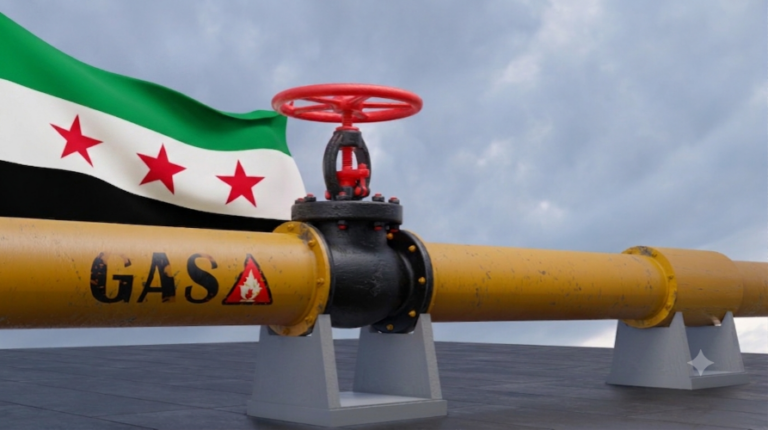
Israeli gas exports to Syria are already a reality, but they are conducted indirectly, through swap deals and resale arrangements with Jordan and Egypt rather than through a formal Israel-Syria contract. This creates a strategic dilemma for both sides. On the one hand, a direct Israel-Syria gas contract could provide clearer accountability, stronger safeguards against disruptions, and a basis for future energy cooperation that may include Lebanon as well. On the other hand, direct gas trade could be politically premature and expose both sides to domestic criticism: in Israel, because of concerns over dwindling domestic gas reserves after the large export agreement with Egypt in 2025; and in Syria, because of fears that Israel could politicize gas supply or use it as leverage. Indirect contracts through Jordan and Egypt may be easier to implement and deny, but they also blur responsibility and reduce both sides’ control over supply conditions. Israel should approach this question not as a binary choice between formal normalization and continued ambiguity but as a practical debate over which contracting model best serves stability, leverage, deniability, and long-term regional integration.

Accessibility Toolbar