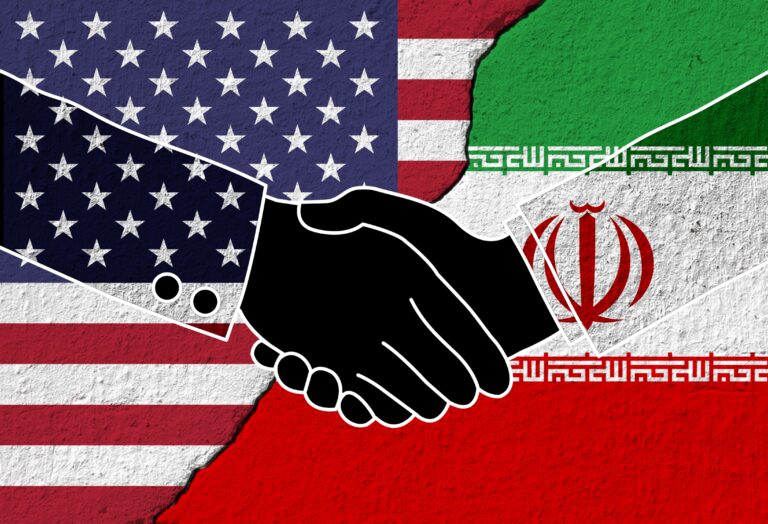
The scope of the signed Memorandum of Understanding (MoU) between the United States and Iran is very narrow. The MoU creates an interim state of deescalation between the United States and Iran within a rough, non-binding framework for future negotiations toward a permanent settlement. Despite its limitations, the MoU will serve as the primary strategic driver shaping the Middle East and beyond for at least the next six months. A net assessment of the MoU's implications reveals that while the United States successfully generated distinct advantages through the application of military force and agreed only to a temporary framework that does not forfeit its demands of Tehran, the manner in which the agreement was reached, along with its core content, represents a setback. It erodes Washington's substantive leverage over Iran, a development that will demand significant future American effort—including an increased probability of utilizing military force—to achieve a reasonable long-term arrangement. Regarding US-Israel relations, this is not the first time Washington has leveraged Israeli military achievements to serve its own interests. However, the overarching challenge lies in the future: Donald Trump will likely be Israel’s last unequivocally supportive president.