Perspectives Papers

Perspectives Papers provide analysis from BESA Center research associates and other outside experts on the most important issues pertaining to Israel and the Middle East.

View Archive

Turkey’s value for the West is not about the good it can offer but the evil it might choose not to spread. In recent years western tolerance of Turkey has stemmed not from appreciation of its advanced democratic culture but from fears of the chaos it can unleash.
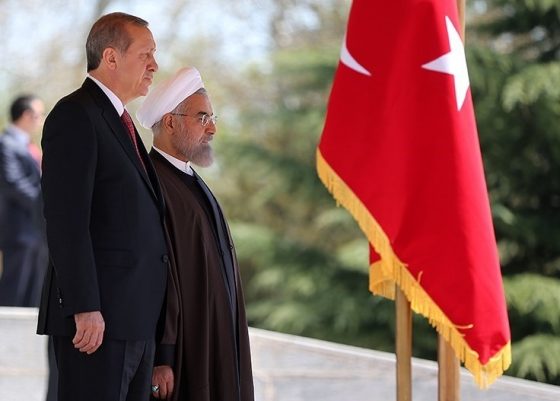
Rumors of an impending meeting between Iran's President Rouhani and President Trump have quieted down somewhat amidst the uprisings in Iran and Iraq and the sudden US foreign policy reversal on Syria, which paved the way for Turkey's incursion and bombardment of northern Syria. The attack has been described by Erdoğan as an offensive against the YPG, and widely condemned as a betrayal by the US of its Kurdish allies. However, while much attention has been paid to the apparently impulsive and uncoordinated last-minute decision to withdraw a small remnant of the US contingent from Syria, few are discussing the events unfolding in Iran and Iraq, with the latest news including Iran’s decision to send 7,500 troops to Iraq.
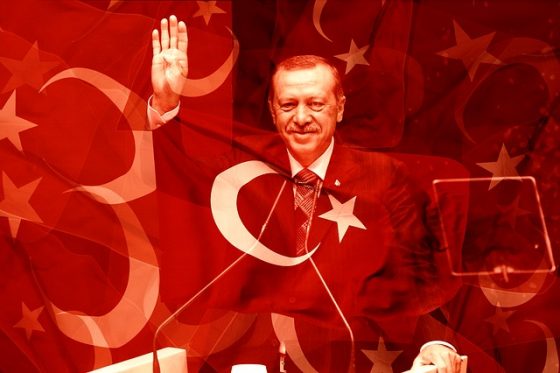
Turkey, like much of the Middle East, is discovering that what goes around comes around. President Recep Tayyip Erdoğan appears to have miscalculated the fallout of what may prove to be a foolhardy intervention in Syria and neglected alternative options that could have strengthened Turkey’s position without sparking the ire of much of the international community. His strategic error is rooted in a policy of decades of denial of Kurdish identity and suppression of Kurdish cultural and political rights that was more likely to fuel conflict than encourage societal cohesion.
Turkish President Recep Tayyip Erdoğan is wrong to think a cross-border military operation into Syria will solve an ethnic conflict that dates back to the early nineteenth century. The recent history of violence between Turkey and the Kurds together with demographic considerations explain why a military campaign is unlikely to resolve the conflict.
Lithuanians generally prefer to approach their own history by honoring their fighters for resisting Soviet rule – and ignoring their active collaboration with the Nazis. The “victimization” approach largely precludes discussion about Lithuanian participation in Holocaust crimes and sparks chauvinistic sentiments. Recent threats to the Lithuanian Jewish community and signs of antisemitism highlight the problem. Lithuania accuses Russia of sowing domestic discord via fake news on this issue, but the problem is real and needs to be addressed.

Accessibility Toolbar