Perspectives Papers

Perspectives Papers provide analysis from BESA Center research associates and other outside experts on the most important issues pertaining to Israel and the Middle East.

View Archive

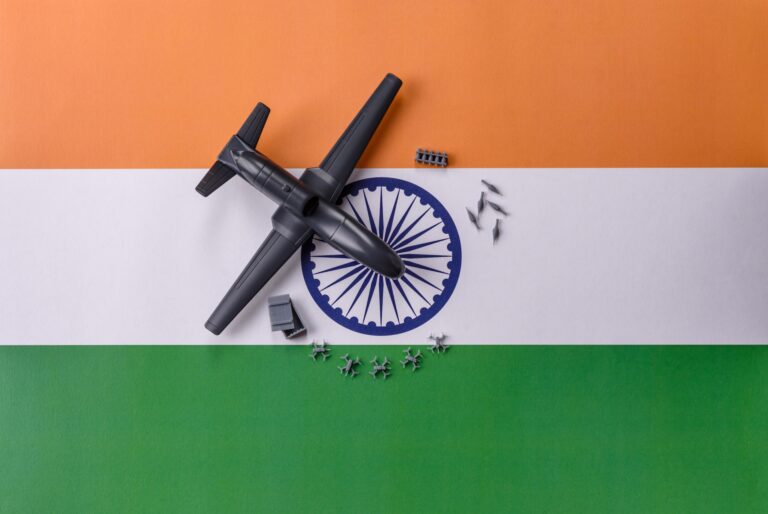
In May 2025, following a deadly terrorist attack on Pahalgam in Kashmir, India suspended the Indus Waters Treaty with Pakistan, conducted strikes deep within Pakistani territory, and declared that any future terrorist attack would henceforth be considered an act of war. These measures reflect a doctrinal shift from a policy of deterrence to one of “compellence”, or coercion. India has also unveiled unprecedented upgrades to its military capabilities that are part of a comprehensive organizational reform. India is positioning itself as a global military and technological power that is operating under a sovereign and independent strategy. This shift in India’s doctrinal approach reflects a continuation of its response to Hamas's attack on Israel on October 7, 2023. According to Indian nationalists, Israel’s response to Hamas’s massive assault served as inspiration for an uncompromising policy towards Islamic terrorism.
In September 2023, the IMEC initiative was announced. IMEC is an economic corridor that will connect India, the Middle East and Europe, with the support of the United States. This initiative has the potential to change the face of global trade and transportation. The corridor is expected to strengthen economic, transportation and energy ties among the countries and serve as a digital bridge between continents. IMEC offers Israel a strategic opportunity to position itself as a transit hub between Asia and Europe and strengthen its regional ties – but the initiative faces geopolitical challenges that require strategic planning and smart regional cooperation.
It is the obligation of every state to enforce the law of nations. This means there is a universal legal responsibility to support Israel’s ongoing counter-terrorism operations in the Middle East. Though it may appear that these operations sometimes break humanitarian international law, it is the jihadists’ use of human shields and location of military facilities within schools and hospitals that is responsible for the resulting harm to civilians. These actions, which constitute a violation of international law called “perfidy”, threaten not only Israel but the global legal order itself.
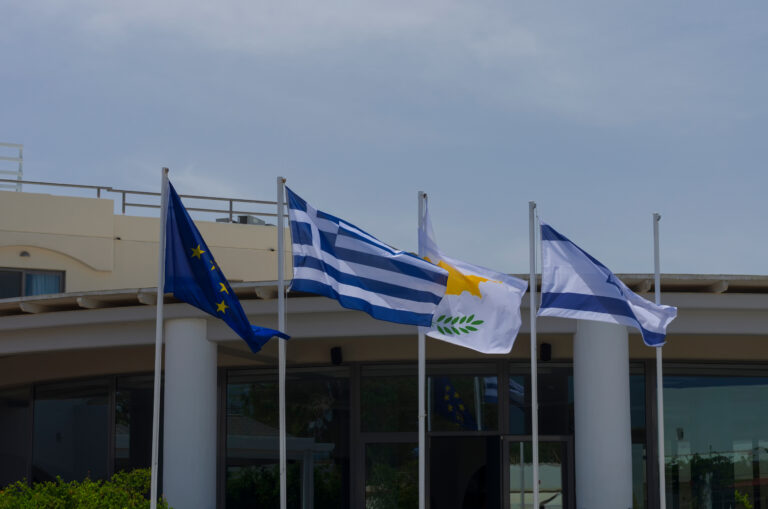
On March 30, 2025, Greek Prime Minister Kyriakos Mitsotakis met with President Isaac Herzog and Prime Minister Benjamin Netanyahu in Jerusalem. Fifteen years after the historic visit to the Israeli capital by then-premier George Papandreou, which paved the way for the ongoing Greek-Israeli friendship, the two countries are continuing to advance their strategic partnership. The necessity for closer ties with the Jewish State has become a critical element of Greek foreign and military policy, and there is political consensus on the value of the relationship. New defense synergies that will likely complement older agreements are currently on the agenda.
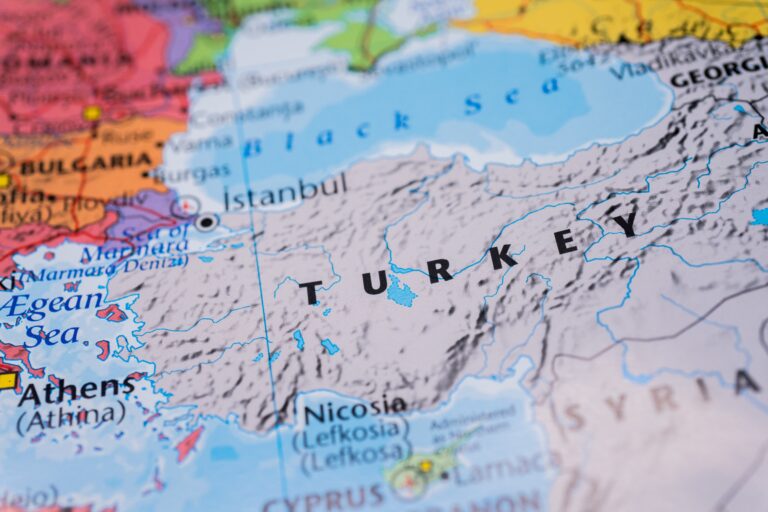
Turkey's involvement in Syria is having an effect on its regional standing, and is shaping an image of Turkish president Recep Tayyip Erdoğan as a Muslim savior. Turkey is exploiting the instability in Syria to achieve its own strategic objectives, which primarily include a curbing of the Kurdish threat, an expansion of Ankara’s regional influence, and a positioning of Turkey as a protective Muslim power.
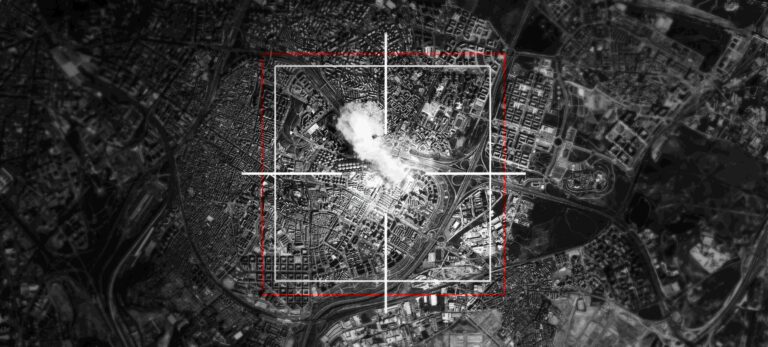
The IDF’s current mechanism for determining and providing intelligence assessments rigidifies the thinking of intelligence analysts, and increases the risk that they will not recognize changes in the behavioral patterns of the adversary that affect the predictive ability and relevance of the forecast. Providing assessments should be the beginning of the process, not the end. A structured, open, and ongoing discussion of an assessment can make both the process and the product more dynamic in the face of changing conditions.
illustration: AI generated
Azerbaijan, a Shia Muslim-majority country, has the longest-standing and most comprehensive partnership with Israel. Azerbaijan is the only strategic partner in the Muslim world of the US’s main ally in the Middle East. It shares borders with both Iran and Russia, and may thus be considered one of the pillars of Israel’s regional strategic security architecture. Against the backdrop of the Trump administration’s efforts to reshape the global order, Azerbaijan’s significance—for both American and Israeli strategic interests—has grown even further. This is driven by key trends in Washington’s new foreign policy approach, within which Azerbaijan’s advantages and capabilities can be effectively leveraged.

Accessibility Toolbar