Iran

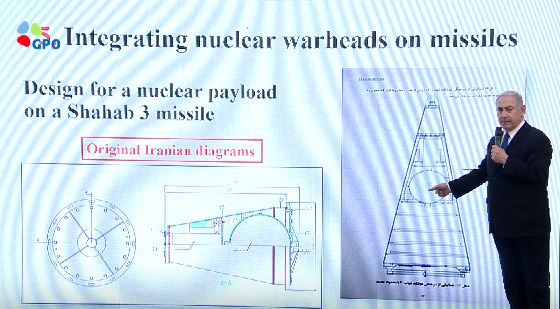
There are many implications to Prime Minister Benjamin Netanyahu's impressive presentation in which he revealed the Iranian plan to turn itself into a nuclear superpower. One of them is the message to the Arab world that Israel is determined to stop this process, which it views as disastrous. There is no doubt that one of the presentation’s main target audiences was the leaders of the Sunni Arab countries.
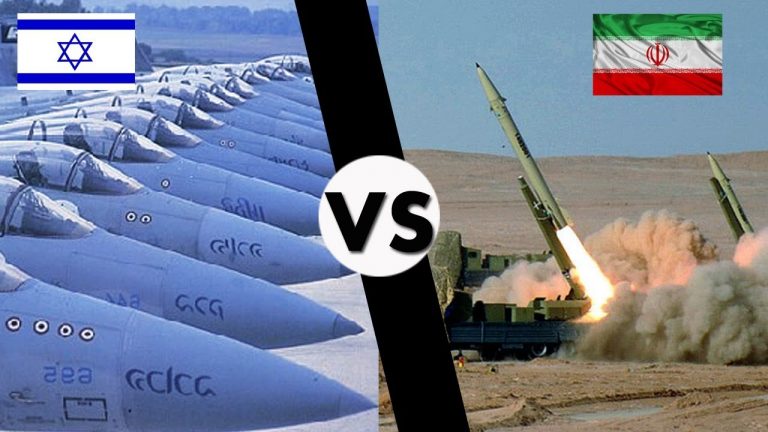
Given their mutual resolve in meeting their completely contradictory objectives – Tehran’s resolve to turn Syria into a forward base for direct Iranian operations and Israel’s resolve to prevent it – the prospects are high that a war will break out between Iran and its proxies against Israel. The war will be mutually destructive, but Israel has one advantage Iran doesn’t – a public that is firmly behind its democratically elected government.
Israel has neither the power nor the motivation to significantly influence the outcome of the war for control of all the pieces of Syria. Israel’s objective in Syria is to prevent Iran from building military facilities there that increase its ability to attack Israel. The only way Israel can achieve this is by destroying any such facilities that Iran builds, or by convincing Iran not to build any threatening facility out of fear that Israel will destroy it.  
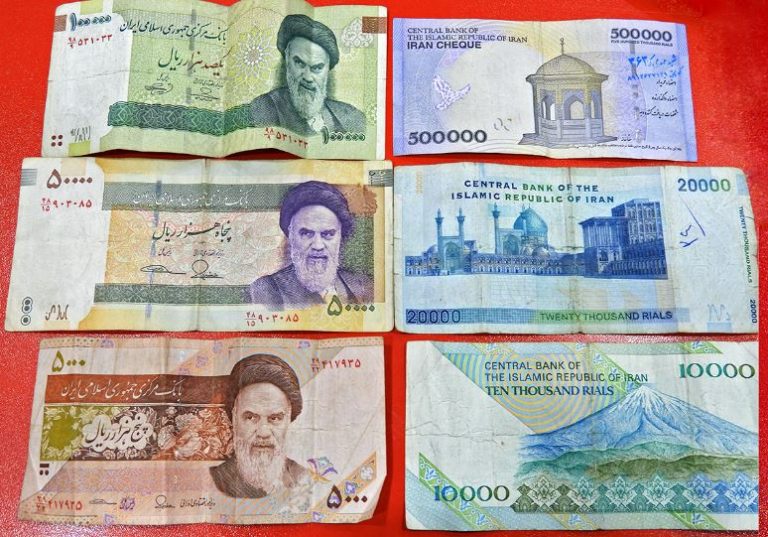
The sharp decline in the value of the Iranian currency is causing upheaval in the Iranian economy and challenging the government and the banking sector. The local currency’s plunge to a rate of 6,000 tomans to the dollar, despite the high level of oil and gas revenues, reflects a lack of trust between the citizens and the banking system. A consideration of Iran’s economic policy sheds light on the limitations of the “dual economy” practiced by the Islamic Republic since its inception.
Debilitating hostility between Saudi Arabia and Iran is about lots of things, not least who will have the upper hand in a swath of land stretching from Central Asia to the Atlantic coast of Africa. While attention is focused on ensuring that continued containment of Iran ensures that Saudi Arabia has a leg up, geopolitics is but one side of the equation. Natural gas is the other.
An integral part of its sustained drive for regional hegemony, Tehran’s backing of the Houthis in Yemen, like its support for Syria’s Assad regime, is to build naval bases, gain control of strategic international waterways, terrorize Sunni populations, and turn local Shiite forces into its own private paramilitary groups to be used in special operations and terrorist attacks around the world. The Houthis are following Iran's Hezbollah model and have gained the world's sympathy through propaganda even as they engage in ruthless attacks on civilians both at home and in Saudi Arabia. 

Accessibility Toolbar