Turkey

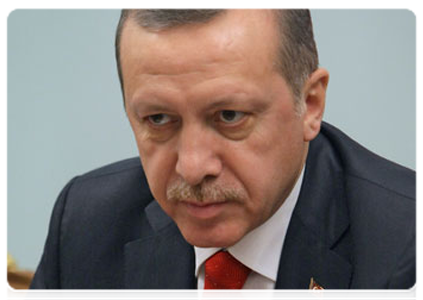
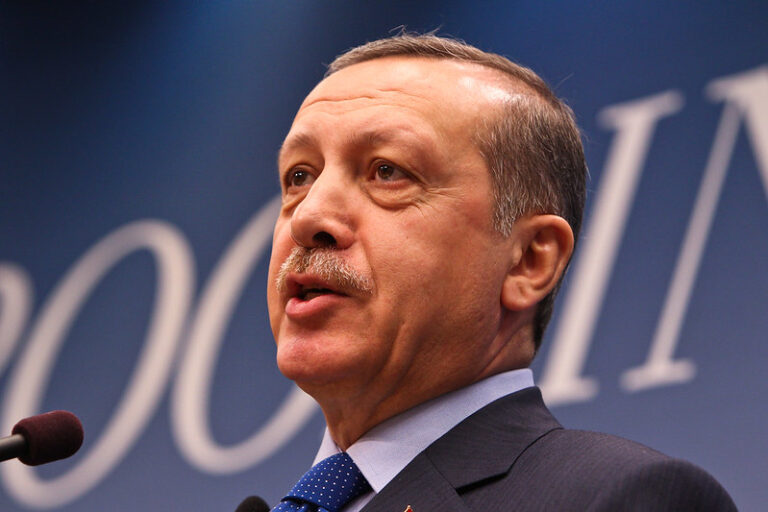
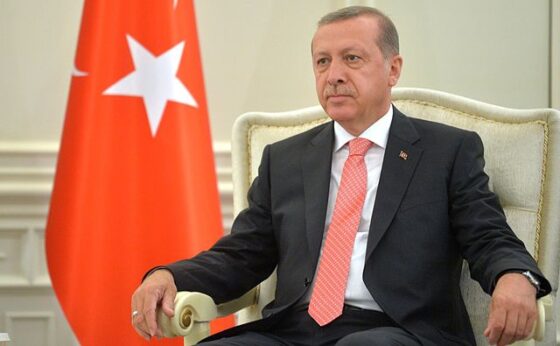
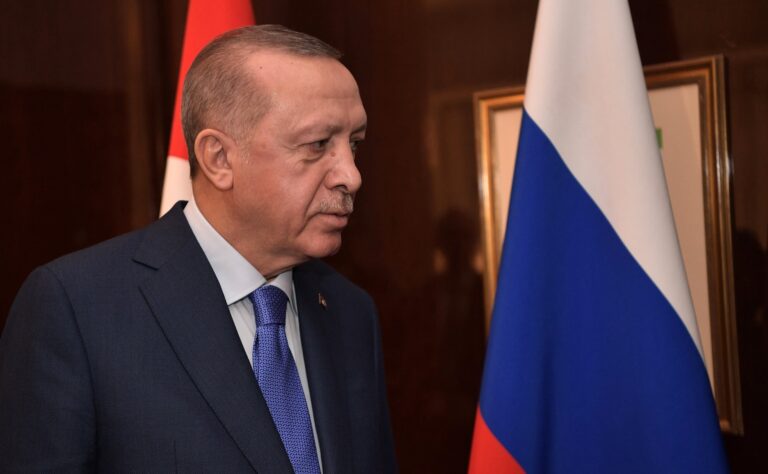
Turkish president Recep Tayyip Erdoğan is at odds with just about everybody. He is on opposite sides with Russia in Syria as well as Libya and is trying the patience of his US and European allies. Turkey and Russia are testing the limits of what was always at best an opportunistic, fragile partnership aimed at capitalizing on a seemingly diminishing US interest in the Middle East, already evident under President Barack Obama and continuing under Donald Trump, who is haphazardly redefining what he sees as America’s national interests.
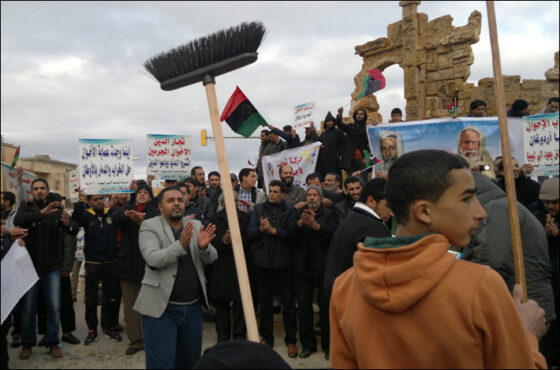
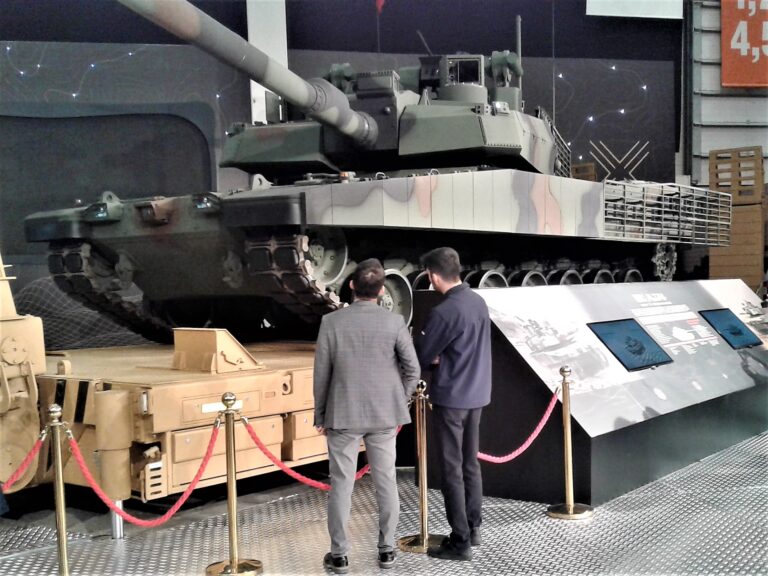
After a three-and-a-half-year marriage of convenience, Turkey and Russia have come to realize that they are fighting on opposite sides of two proxy wars: one in Syria and the other in Libya. This comes after Russia sold Turkey $2.5 billion worth of S-400 air defense systems, won a multibillion-dollar nuclear plant contract, signed up for a lucrative natural gas pipeline, and widened the gap between NATO and its part-time member Turkey.
Sitting just 2 km away from the Turkish coast and containing a population of only 500, the island of Kastellorizo, the tiniest of the Greek Dodecanese islands, is the focal point of a multinational maritime dispute. No one seems to have found a way to resolve the quarrel between Turkey and the EU + US + Israel + Egypt over this island.
Former Turkish PM Ahmet Davutoğlu, the personal choice of Recep Tayyip Erdoğan for the office, and former deputy PM Ali Babacan, the respected economy tzar, are bursting onto the political stage to challenge their former boss and comrade in arms. Their popularity remains unknown, but they could potentially change the political landscape and act as kingmakers.
Turkey’s latest moves in Libya and the eastern Mediterranean should be viewed in the context of the recent Kuala Lumpur Summit, which announced the emergence of a new ideological bloc to counter Saudi Arabia consisting of Iran, Turkey, Qatar, and Malaysia. Turkey’s new geopolitical strategy is as much ideological as it is “defensive.”

Accessibility Toolbar