Turkey

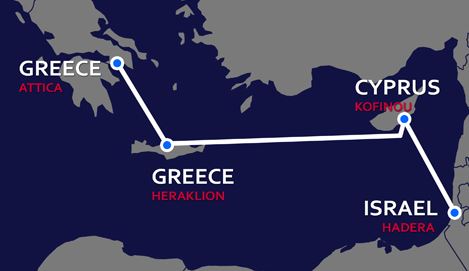
The Eastern Mediterranean Alliance (Israel, Greece, and Cyprus) is emerging at a time of increasing global instability. All three states are firm democracies that promote peace, security, and environmental stability in the region. The tripartite alliance is strategically the most significant anchor of Greek security and economic progress.
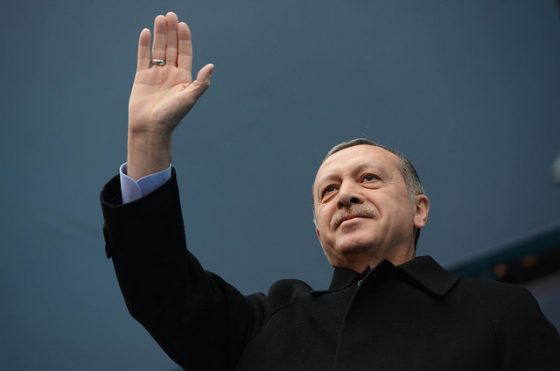
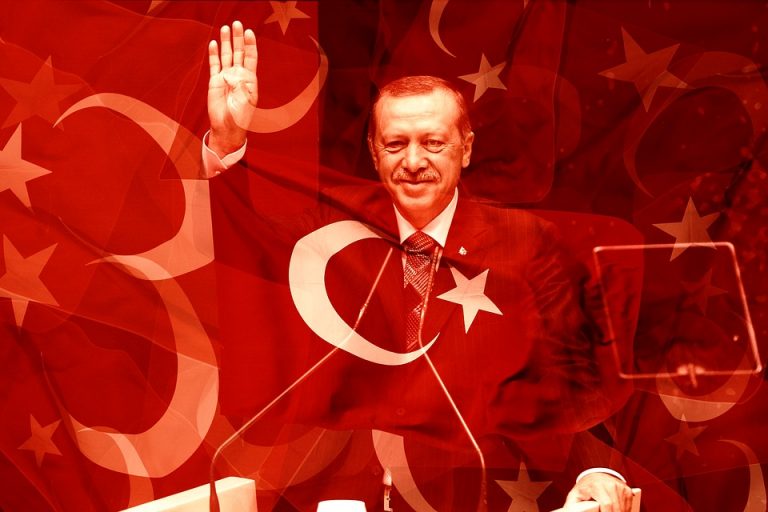
Four decades after they emerged as marginal parties in the 1970s, Turkey’s militant Islamists and ultranationalists won a combined 53.6% of the national vote and 57% of parliamentary seats. President Recep Tayyip Erdoğan has said in the past that he would make foreign policy “in line with what my nation demands,” highlighting the Islamist sensitivities of his voter base. He will now add nationalist sensitivities to that foreign policy calculus. This will likely mean confrontations with nations both inside and outside Turkey’s region.
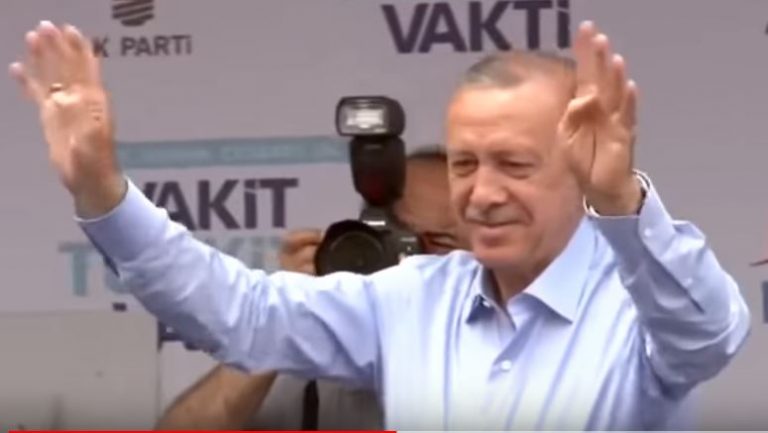
On June 24, Turkey will hold its sixth election in four years. The Turks will choose between augmenting what is practically one-man rule based on Islamist politics and returning to a regime based on the separation of legislative, executive, and judicial powers.
Cyprus, Greece, and Israel are steadily building a democratic geopolitical bloc in the Eastern Mediterranean. They are exploring ways to collaborate in fields ranging from energy to communication technology and defense. Greek-American and American-Jewish communities are exploiting the momentum to further boost the developing “triangle” and encourage US support. However, despite progress among the governments and the generally positive climate, warning signs of anti-Semitism in Greece underline the need for grassroots action to combine political achievements with wide public support.
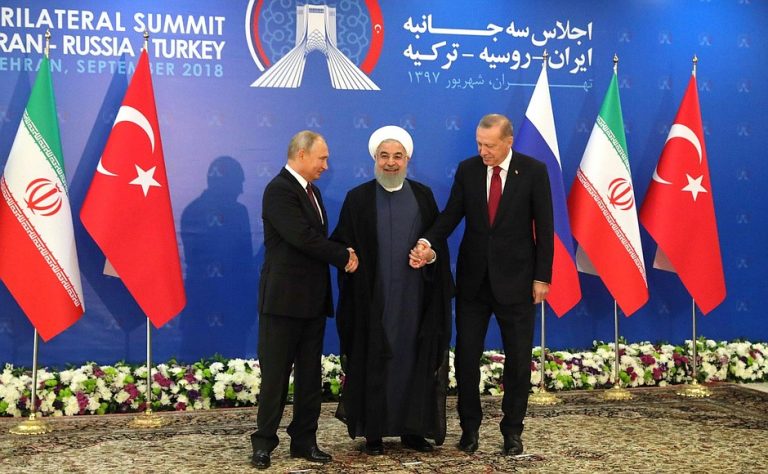
In theory, Turkey’s relations with Russia have never been brighter. However, behind the nice façade lie a deep ideological divide, mutual mistrust, and diverging regional interests. Eight decades after Atatürk’s “transactional” Soviet initiative, Turkey’s Islamist leaders are ironically following a similar line. For Erdoğan, Russia is not just a strong trading partner and the top supplier of Turkey’s energy. It is also the eastern ground of his political acrobatics with the Western world.
The takeover of Turkey’s largest independent media group by an Erdoğan crony was not unexpected given the troubles and systematic state harassment suffered by the Dogan Media Company over the past decade. After the takeover, the opposition media will be limited to one large-circulation daily, a couple of small, left-wing newspapers, and a number of small digital platforms, with the third group now facing new pressure from the government.
Turkish President Recep Tayyip Erdoğan is focusing his Islamization policy on the education system in his bid to raise a "pious generation". "Jihad" has become a frequent reference in the Turkish regime's rhetoric, while Syrians in the country and in areas controlled by Turkish troops in northern Syria are eating off the same plate. The international community should act to stop a "Turkish bin Laden" in the making and al-Qaeda-like authoritarian rule.
Turkish President Recep Tayyip Erdoğan has been the main beneficiary of a newfound feeling of glory among Turkey’s increasingly nationalistic masses. The main loser is the YGP, which has sought to consolidate control over Kurdish areas of Syria in the hopes of forging an autonomous state. But in the Syrian war theater, alliances are fragile and complex. Russia has given Turkey a limited free hand in its engagement in northern Syria, mainly in order to deepen Turkish-US and Turkish-NATO divisions. But Russia is not Turkey’s strategic ally.
The Eastern Mediterranean has entered a new period of high volatility, with Israel and Greece in the eye of the storm. Both countries are facing an upgraded strategic challenge from Turkey and Iran. This is not simply an interstate problem but a broader crisis that will influence the future geostrategic physiognomy of the Eastern Med.

Accessibility Toolbar