Turkey

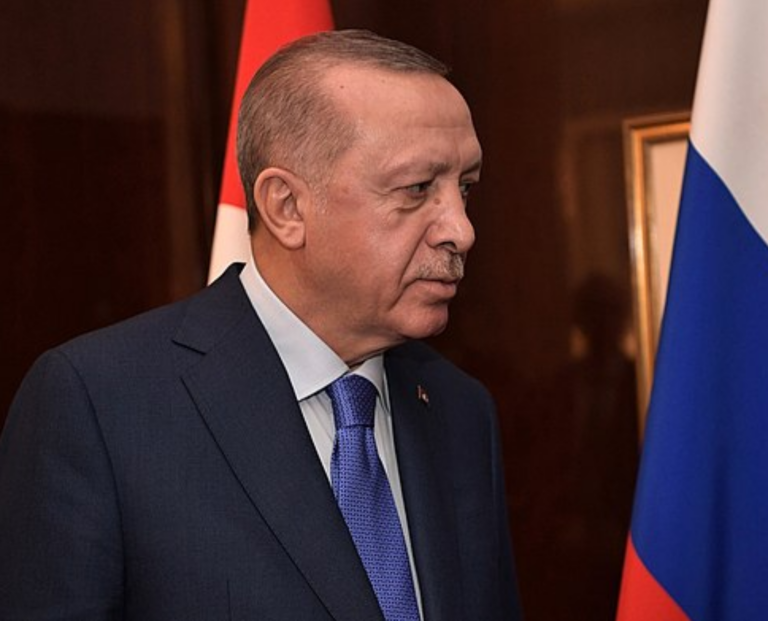
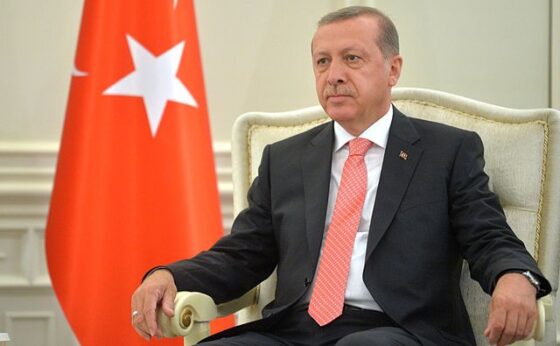
The EU does not have the option of being indifferent to the antics of neo-Ottoman bully Recep Tayyip Erdoğan. Doing so would discredit the EU and weaken its soft power. But sanctions, if miscalculated, could create new problems if they go beyond the desired target. Surgical precision will be needed.
For years, Greek politicians approached Israel in the hope of receiving active support against Turkey in the Eastern Mediterranean. While current Turkish actions in the Basin expose this hope as wishful thinking, they also offer an opportunity for Greece to better understand Israel and frame the bilateral partnership (often trilateral, with the participation of Cyprus) accordingly. Instead of cultivating illusions, Athens needs to clarify what it expects from Jerusalem and be engaged in a sincere dialogue about all issues of joint interest. This is particularly the case in view of the advent of a new American administration.

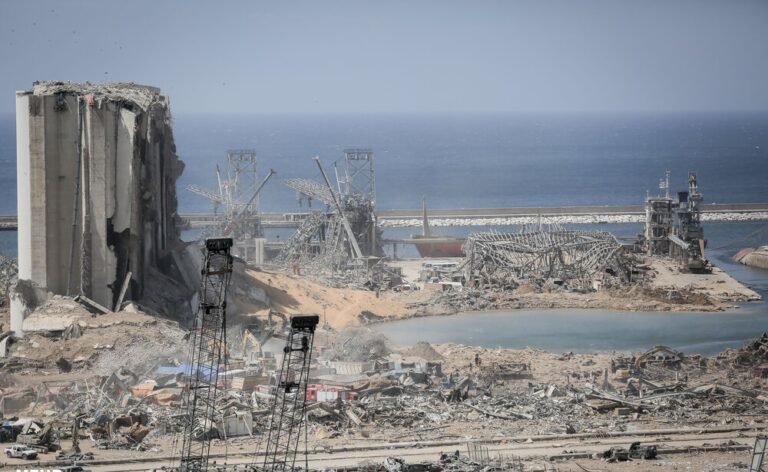
Despite their desire to evict sectarianism from their country’s corrupt government, Lebanese civilians are likely to see increased tensions across religious lines. Iran will continue to back Hezbollah despite its regional weakening, while Turkey and Qatar will play a bigger counterbalancing role by increasing their influence on the Sunni community.
Gloomy facts and figures about a country are one thing, but a sense among large numbers of citizens that they do not belong to their homeland is a different story. Recent research has found that 38% of Turks do not feel they belong in their own country.  
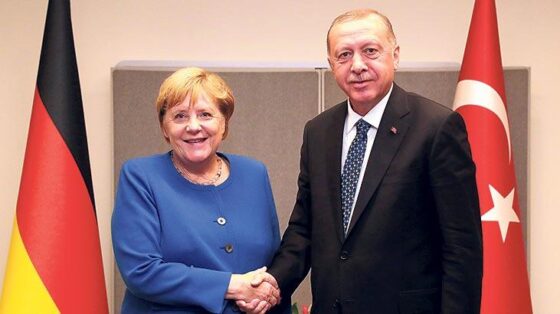
Turkey’s relations with Germany have always been privileged, but Angela Merkel took that relationship even further by treating Recep Tayyip Erdoğan as a protégé in the international arena. Their relationship strengthened in parallel with a significant increase in German-Turkish military and trade cooperation. But Merkel’s term is coming to an end, and there has been a noticeable shift in tone within the Berlin political establishment toward Ankara. The Turkish president will not be able to count on German benevolence forever.
The recent escalation of tensions in the Aegean has the potential to strengthen the political bond between Greece and its Western allies, as well as force the EU to shift from threatening sanctions on Turkey to actually imposing them. Turkish president Recep Tayyip Erdoğan will try to keep tensions high enough to present a heroic front to his Islamist/nationalist base but not high enough to trigger EU sanctions.
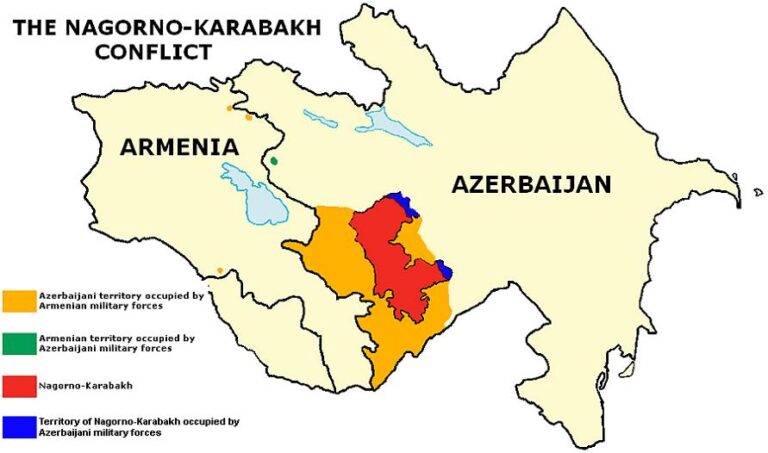
The Nagorno-Karabakh conflict has become an important component of Turkish foreign policy. Over the years, Ankara’s support for Baku has grown exponentially. Diplomacy was an element of this support, but more significant was the dispatch of sophisticated weaponry. Greater support for Azerbaijan coincided with Turkey’s more active foreign policy in the Middle East and the Mediterranean, and is now strikingly different from Ankara-Baku relations of the 1990s and even the early 2010s. The reason for Ankara’s assertiveness could be access to energy and trade routes.
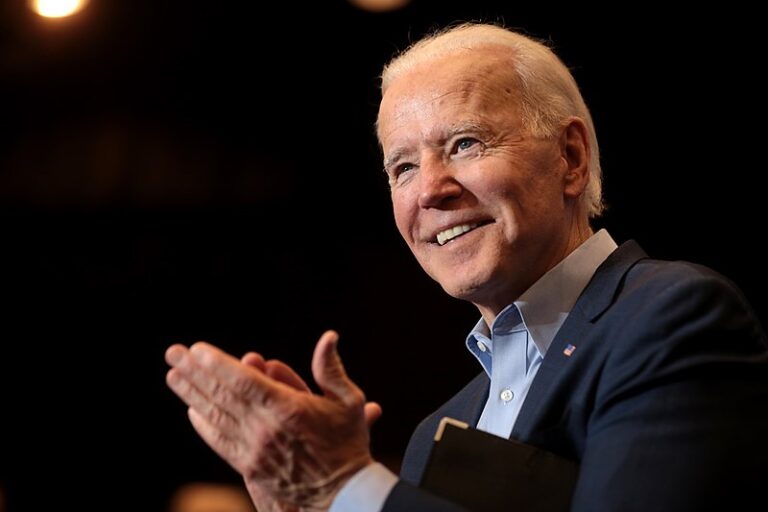
If Joe Biden remains loyal to his pre-election rhetoric, he might punish Recep Tayyip Erdoğan’s Turkey with a slew of sanctions for buying critical weapons systems from Russia and helping to weaken US sanctions on Iran. But Biden’s history with Erdoğan gives mixed indicators of how he might deal with Turkey’s increasingly authoritarian leader. Biden will not be able to opt for a pragmatic approach to Ankara completely free of concerns over civil liberties and human rights—Turkey’s ever-widening democracy deficit makes that impossible. But Erdoğan’s team can “buy” a new modus operandi with Washington under Biden.
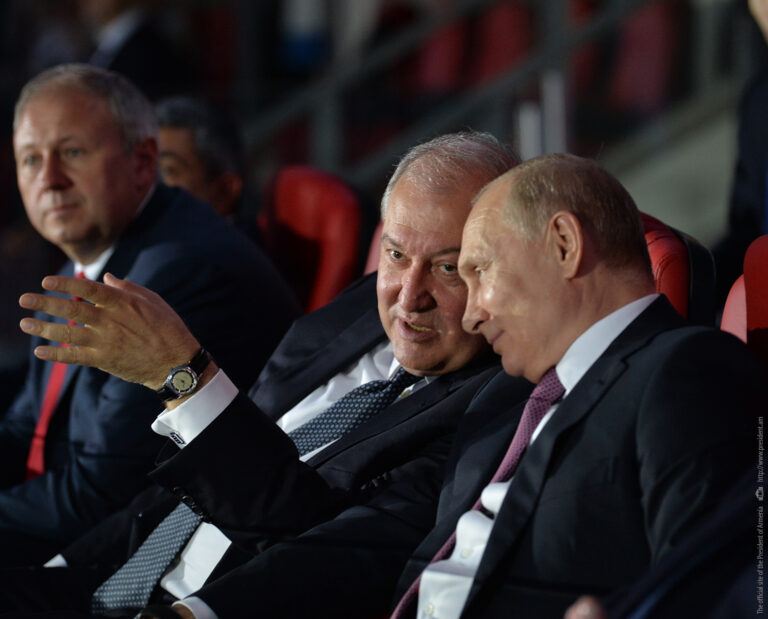
No major power has attempted in earnest to mediate the Nagorno-Karabakh crisis, and some have actively participated in keeping the situation ablaze. Both Armenia and Azerbaijan have been actively preparing for hostilities, but Armenia finds itself at a political and military disadvantage.
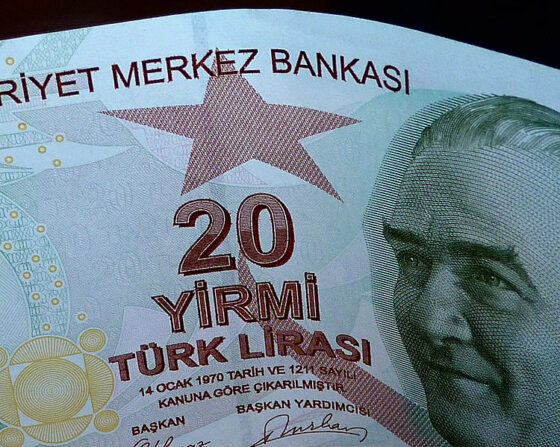
The Turkish lira sank to a record low on October 22—a new blow for the Turkish economy, which has been battered by the coronavirus pandemic. The Islamist government led by President Recep Tayyip Erdoğan is pursuing an increasingly daring neo-Ottoman policy throughout the Middle East and eastern Mediterranean, a push that is motivated in part by the need to help the economy bounce back.

Accessibility Toolbar