August 10, 2026

Written Sovereignty: Turkey, Russia, and Iran in the Battle Over Post-Soviet Scripts
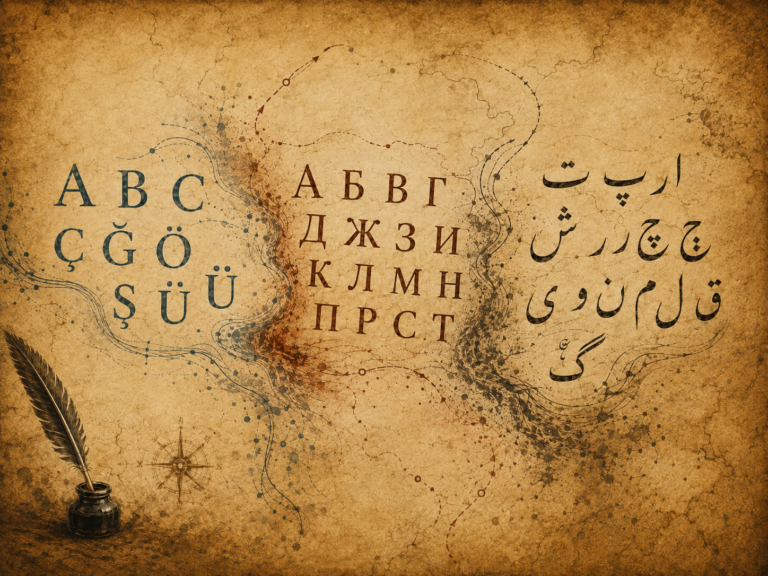
Script is rarely a neutral technical choice in this region. Which alphabet a state teaches its children is a declared vector of civilizational allegiance — a public signal of which power it expects to matter for its future. This is what "written sovereignty" means in practice: not legal independence, but the ongoing, contested right to decide whose cultural gravity a nation writes itself into. Three powers are currently making competing claims on that gravity in the post-Soviet Turkic and Persianate world — Turkey, Russia, and Iran — and they are not equally equipped to press the claim.
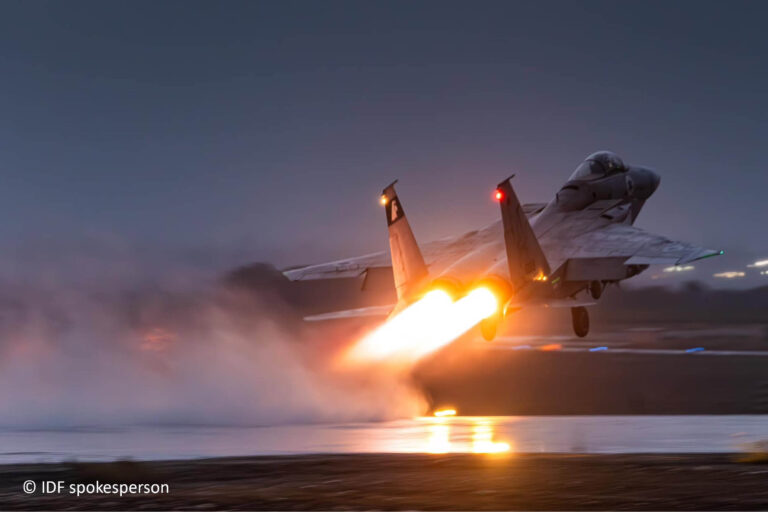
The success of Israel's 2023–2026 campaigns against Iran, its proxies, and its allies should not be judged by simplistic measures of targets destroyed or by the continuing existence or otherwise of the Iranian regime, but by whether or not Iran's grand strategy has been disrupted. Rather than viewing Iran's nuclear program in isolation, we interpret it as one pillar of an integrated strategy that also included the "Ring of Fire" proxy network and long-range missile forces. Following the degradation of much of this regional architecture after October 7, 2023, Iran accelerated its nuclear and missile programs in an effort to restore its strategic position. The Israeli campaigns against Iran itself are therefore best understood as efforts to prevent Iran from reconstructing this integrated military architecture rather than as attempts to achieve either regime change or a decisive military victory. Israel's success should be measured by assessing whether this goal was achieved and by calculating how long it will take Iran to once again pose an existential threat to Israel.

Accessibility Toolbar