
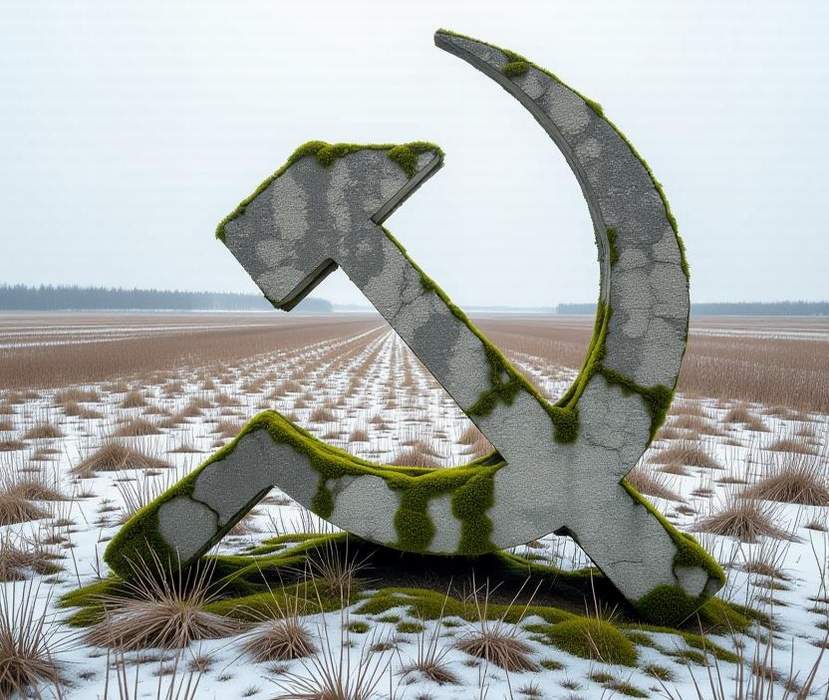
In September 2025, the analytical papers produced by the PSCRP covered such subregions as Central Asia, South Caucasus, and the Western part of the post-Soviet space.
Andrei Kazantsev-Vaisman provides an analytical overview of the diplomatic moves undertaken by Central Asian and South Caucasus states in the Summer and Fall of 2025. He underlines that all these countries focus their foreign policies on “multivectoralism” and balancing between the interests of the “collective West” and the so-called “China-Russia axis.” Kazantsev-Vaisman notes that Kazakhstan and Uzbekistan are seeking to “strengthen their position (…) by deepening ties with the U.S. administration,” with diplomacy being “pursued through expanding economic cooperation with the United States and promoting transport corridors that enhance economic diversification.” Armenia and Azerbaijan are attempting to do the same; however, they differ in their diplomatic style: “Kazakhstan and Uzbekistan, while strengthening the American vector, seek to avoid conflict with other foreign policy vectors (…), whereas Azerbaijan and Armenia act much more assertively — though still maintaining elements of a multivector ‘insurance policy’”.
Developing further the regional focus on Central Asia, the material by the PSCRP team highlights the remaining (and growing) dependence of Kyrgyzstan on Russian financial and infrastructural projects, as well as the influence of Moscow in commerce, higher education, and labor migration flows. At the same time, Bishkek is cautiously developing infrastructural projects initiated by China, including the CKU railway, which demonstrates Kyrgyzstan’s pragmatic embracement of both Chinese and Russian strategic influence amid the “West’s failure to invest politically and financially in the region.”
Regarding the South Caucasus, the PSCRP team scrutinizes informational campaigns surrounding the now complex relationships of Moscow with Azerbaijan and Armenia. The narratives circulating (and, as the authors claim, deliberately spread) on social and “traditional” media in and regarding Azerbaijan, amid worsening of the relationships, include Baku’s “alleged hostility toward Russia, its pro-Western or pro-Turkish policy, and even talk of NATO membership.” This rhetoric has coincided in time with Iran’s anti-Azerbaijani information campaign and the signing of the Washington agreements between Azerbaijan and Armenia under the auspices of Donald Trump. IIn the case of Armenia, the authors claim that Nikol Pashinyan is the primary target of the alleged disinformation campaigns. He is accused of “betrayal of Karabakh,” “anti-Christian policies,” and even of hosting “secret NATO bases” in the country.
Another analysis by the PSCRP team casts serious doubts on Europe’s ability to prevent Georgia, the third South Caucasus nation, from disengagement from the idea of European integration and joining forces with Moscow. The highly doubtful and counter-effective measure of revoking the visa-free regime remains by far the only effective leverage that Brussels authorities may still threaten Tbilisi with, and the incumbent Georgian government actively tries to exploit the cooling between Washington and Brussels to its advantage. In a situation when Europe’s “appeal as a model and idea” seems to be in crisis, the vested interests of the Georgian elites in cooperation with Moscow are likely to outweigh the possible (and ineffective) sanctions.
Moving to the Western part of the post-Soviet space, Alexander Shpunt analyzes[5] the national ideology of Belarus, highlighting the increasing prominence of the national Belarusian identity in public discourse. Importantly, he notes that “conflict-prone themes … show no visible political prospects” and that, unlike in Ukraine, the symbolic role of the Belarusian language is not an issue of sociopolitical divide. Shpunt claims that, after 2014, “the Belarusian authorities adjusted their official discourse, emphasizing a distinct, routine, and stable Belarusian identity,” promoting “from above” the role of the Belarusian language in official state communication and the “long genealogy” of national history, portraying Russia “primarily as a historical neighbor rather than the source of Belarusian statehood.”
Finally, Vladimir Ze’ev Khanin summarizes the results of several opinion polls undertaken in Russia and Ukraine regarding the ongoing military conflict between the two countries. He notes that all the polls in Ukraine indicate the public’s growing inclination to “move toward negotiations that could bring the war to an end,” because of the general fatigue, high losses, and absence of clear prospects for a military victory. However, the plans drafted by Moscow and by Washington are still perceived (extremely, in the former case) negatively, with the Ukrainian public favoring the peace proposals formulated jointly in Kyiv and Brussels. AAt the same time, a similar trend is emerging in Russia, where there is a preference for “moving toward peace negotiations rather than continuing military action,” along with reliance on the country’s leadership to resolve the conflict. However, the idea of certain concessions to Ukraine, as well as ending hostilities without “eliminating the root causes of the conflict” (whatever they might be), is largely rejected by the Russian public opinion.
Traditionally, Alexander Shpunt has prepared a monthly overview of several significant publications on the post-Soviet conflicts.
In the upcoming months, more publications and events from the PSCRP are to appear.