Perspectives Papers

Perspectives Papers provide analysis from BESA Center research associates and other outside experts on the most important issues pertaining to Israel and the Middle East.

View Archive

Russian soft power efforts in the Middle East are bearing fruit, as many young Arabs now view Moscow as an ally and the US as unreliable. Russia wants to build more ties with the Muslim world and views Trump’s presidency as an opportunity in that regard. This ambition is tempered somewhat by the Muslim jihadist threat in Russian areas and, of course, the painful legacy of the war in Afghanistan.
Despite 25 years of formal peace, many in Jordan regard Israel as an illicit enemy state. The Jordanian government plays a double game: its public hostility toward Israel enables it to preserve its popularity while, behind the scenes, it maintains close ties with Israel.
One of the most sensational revelations of the recently screened BBC Panorama documentary on antisemitism within the British Labour Party is the presence there of actual Holocaust promoters. The documentary did not address every element of Labour antisemitism, but did provide much new information on “smokescreening” by the leadership: the practice of falsely claiming that it took determined action against antisemitism when in fact it took only partial, lukewarm action.
None of the three actors in the Israeli-Palestinian conflict – Hamas, the PA, and Israel – envisions peace in the foreseeable future. It is this very absence of the prospect of peace that makes the Trump economic plan so timely. Engendering economic wellbeing does not solve deep-seated political conflict, but it does contain the prospect that differences can be expressed in less violent ways. 
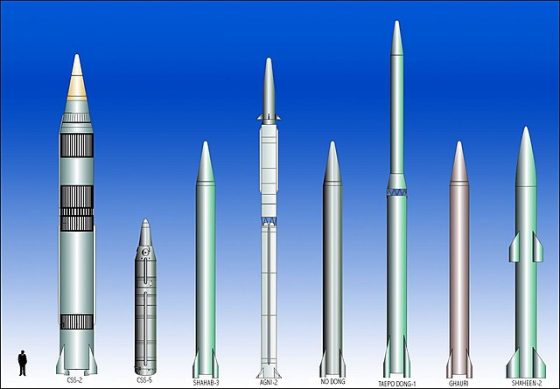
As an apparent act of defiance against Western countries’ reluctance to support it against US sanctions, Iran has begun to enrich uranium beyond the level permitted by the nuclear deal. This fact, together with the information revealed by the smuggling out by the Israelis of Iran’s nuclear weapons program archive, belies Tehran’s oft-expressed claim that its nuclear program was always for peaceful use and shows the hollowness of the nuclear agreement.
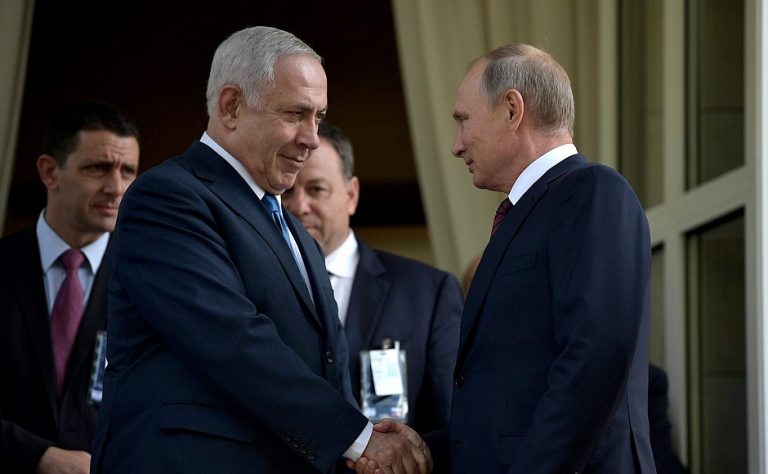
Notwithstanding the seeming friendship between Chinese president Xi Jinping and Russian president Vladimir Putin, and the growing congruence of both countries’ interests in undermining the US-led international order, relations between Russia and China remain at their core as brittle and prone to mutual suspicion and distrust as they have in the past. It is not unreasonable to expect that that underlying animosity will erupt into violence in the relatively near future.
The rise of the People's Republic of China over the past two decades has significantly changed the global economy. This development represents an opportunity for the Gulf states as they seek to diversify their economies, increase trade, and locate investment opportunities in emerging markets. By promoting China’s Belt and Road Initiative, they can boost their own national development plans through access to Beijing’s favorable business conditions, expertise, and experience.
A massive concentration of forces is a disadvantage, not an advantage, in the modern era of asymmetric conflict. Active Protection Systems (APS), by contrast, provide small fighting units with protection and enable them to locate hostiles and discriminate them from the surrounding population. They thus reduce the army’s exposure while increasing its effectiveness.

Accessibility Toolbar