Perspectives Papers

Perspectives Papers provide analysis from BESA Center research associates and other outside experts on the most important issues pertaining to Israel and the Middle East.

View Archive

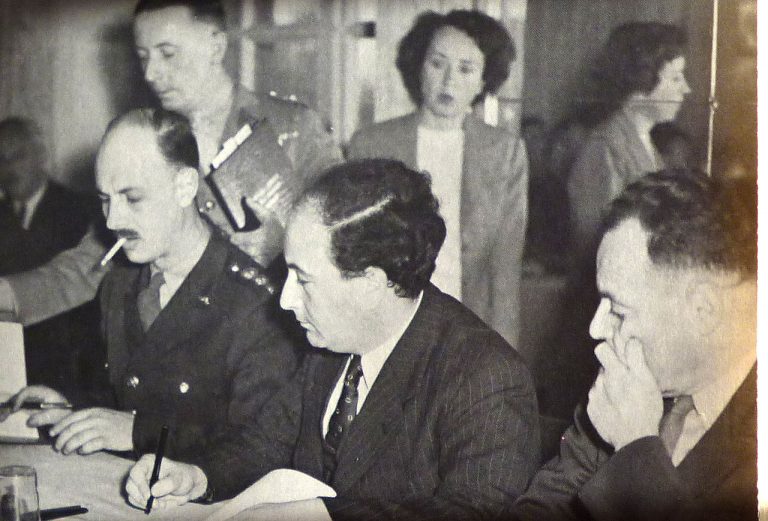
The diplomatic history of Israel as related by Dr. Walter Eytan, the first director general of the Israeli Foreign Ministry and the founding father of the Israeli diplomatic service, provides an intimate insight into Israel’s political and international struggle for survival. Sixty years after publication of Eytan’s book, his vision and legacy remain valid and warrant renewed attention.
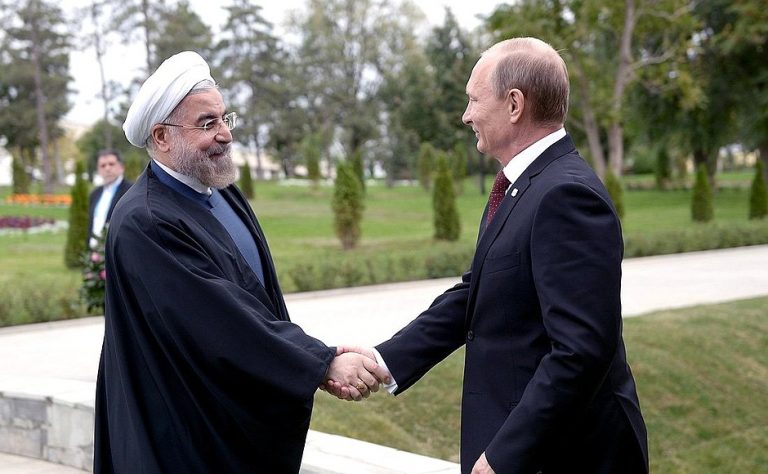
The Syrian theater exemplifies Russo-Iranian cooperation, but there are other theaters in which Moscow and Tehran have cooperated for years. Their partnership in the South Caucasus and the energy-rich Caspian Sea area are examples of this trend. Taken together, these instances of Russo-Iranian cooperation fit into the pattern of “geopolitical chaos” across Eurasia in which Moscow and Tehran, as well as other regional powers, work together to challenge US dominance.
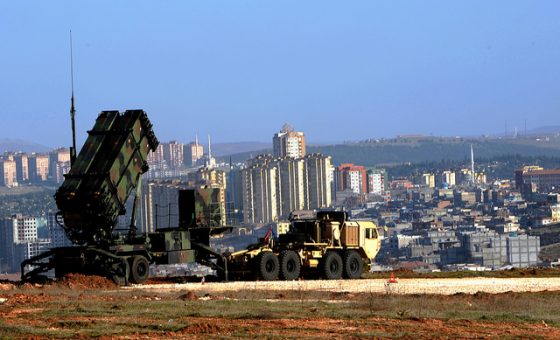
The US administration has offered to sell $3.5 billion worth of Patriot missiles to Turkey, apparently in an effort to stop Ankara from going ahead with a planned S-400 deal with Moscow. The Turks will probably shrug off the offer (after making sure it’s not an offer they can’t refuse). For reasons largely unrelated to its military requirements, Ankara has no intention of scrapping the S-400 deal and risking its geostrategic bonds with Moscow.
The Netherlands’ attitude towards the Jews reveals Dutch society to be profoundly hypocritical. The Dutch government remains the only one in Western Europe that consistently refuses to admit, let alone apologize for, the massive failures of its predecessors towards the Jews during WWII. Ignoring the truth of its past enables the Dutch government and parts of the political system to act as moral judges over others, with Israel a prime target.
The fight against anti-Semitism on the international level continues to be characterized by restraint combined with ignorance – a potentially deadly combination. European hand-wringing and the spouting of clichés will never suffice; the extent of the rot must be acknowledged if it is to be effectively confronted.
The Korean conflict has divided more than the two Koreas. It has also prompted the creation of opposing “blame narratives” among scholars, policymakers, and journalists. The election of Donald Trump, and the 2018 Singapore summit between Trump and North Korea’s Kim Jong-un, challenged those narratives and forced some of the actors to reconsider their political agendas. 

Accessibility Toolbar