Perspectives Papers

Perspectives Papers provide analysis from BESA Center research associates and other outside experts on the most important issues pertaining to Israel and the Middle East.

View Archive

For the world to emancipate itself from anti-Semitism, religions and political movements will have to accept individual freedom of conscience and cultural pluralism, which are essential if universalism and particularism are to coexist. That universalism and particularism can, in fact, coexist and thrive together is demonstrated by 3,000 years of Jewish history. When the world finally understands the merits of embracing universal values without shedding ethnic identity, Jews and Judaism will be genuinely understood and accepted.
The intense public discussion on anti-Semitism in the UK Labour party has almost entirely overshadowed the problem of the huge risk a Corbyn-led government would represent to the Western world. Corbyn, a terrorist sympathizer, and various problematic associates of his would gain access to intelligence gathered by the British security services. How safe would it then be for other Western countries to continue to share high-level intelligence with their British colleagues?
While there is little doubt that the Bedouin settlement of Khan Ahmar (on the Jerusalem-Dead Sea road) was illegally built, the decision to move its residents to an alternative site needs to be reassessed despite its approval by the Supreme Court. It involves much broader strategic questions than the necessity to enforce the rule of law in one particular case.
Israel claims its policy of demolishing terrorists’ homes is a justified security measure. Destroying the family home of terrorist Khalil Yussef Ali Jabarin despite the fact that his family tried to prevent his attack on Ari Fuld seems more an act of revenge than deterrence, and could generate serious blowback with major ramifications.
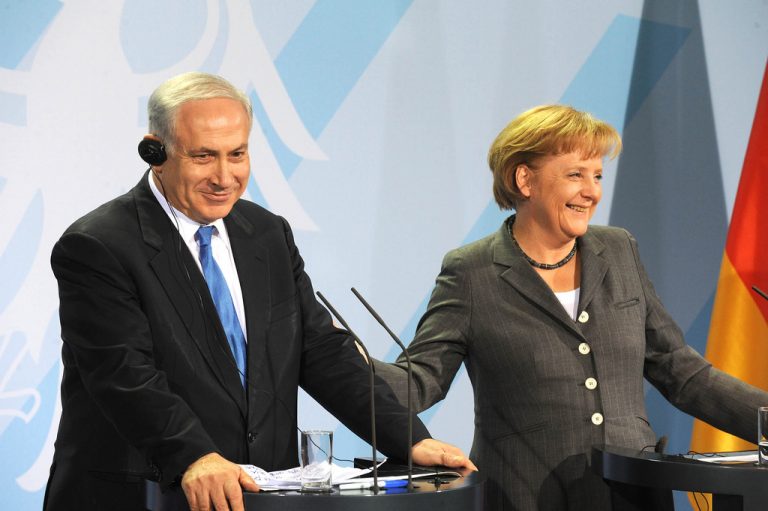
German-Israeli relations are difficult in view of Germany’s Nazi past. Angela Merkel does not ignore her country’s history, and has played a significant role in strengthening the bilateral relationship. However, new security challenges and problems require solutions. Merkel’s recent visit to Jerusalem showed that her approach to Israel needs readjustment to address urgent issues on a practical, not only a theoretical, level.
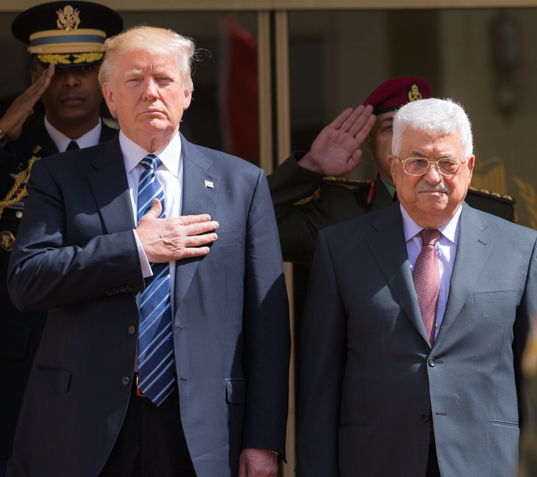
While President Donald Trump was right to reiterate the American commitment to a “future of peace and stability in the region, including peace between the Israelis and the Palestinians” when he addressed the UN General Assembly on September 25, this is not enough. He should demand that the Palestinians recognize Israel’s right to exist in peace and security as a Jewish state and insist that the US will not press Israel to negotiate with the Palestinians unless and until that happens.
Anti-Semitism is growing increasingly normalized in American society, particularly in progressive circles. Today's progressive Left, led by Bernie Sanders and others like him, is even further removed from the facts than the Democratic Party was under Clinton. One of the most pernicious effects of this normalization relates to the discourse on Israel.
Denmark’s largest bank, Danske Bank, has admitted that its Estonian banking subsidiary has been involved in what is probably the largest dirty money-laundering scandal in Europe’s history. In recent years, this deeply corrupt bank has boycotted several Israeli companies on “ethical grounds.” Israel should use the Danske Bank case as a key example of fraudulent anti-Israeli moralists. Revelations from further investigations into the bank’s misbehavior will likely result in many additional disclosures in years to come.
President Donald Trump believes his controversial standing at home and assertive policies abroad lie behind the pattern of countries daring to challenge American interests in international organizations. He has responded with an aggressive new strategy against widespread abuses and anti-Americanism at the UN and a host of other international fora. Trump's strategy serves Jerusalem’s interests because Israel has been a consistent victim of obsession, hostility, hypocrisy, and double standards on the floors of many of these organizations.
Turkish President Recep Tayyip Erdoğan does not understand that his biggest divergence with Russia is over the future of all of Syria, not just a Syrian province. In theory, it is understandable that he wants to protect the “moderate fighters” because he feels indebted to them for their help to the Turkish army in two cross-border operations. But more than that, he wants to protect them in order to maintain a force that can eventually fight either or both of his two nemeses in Syria: President Assad and the Syrian Kurds.

Accessibility Toolbar