Perspectives Papers

Perspectives Papers provide analysis from BESA Center research associates and other outside experts on the most important issues pertaining to Israel and the Middle East.

View Archive

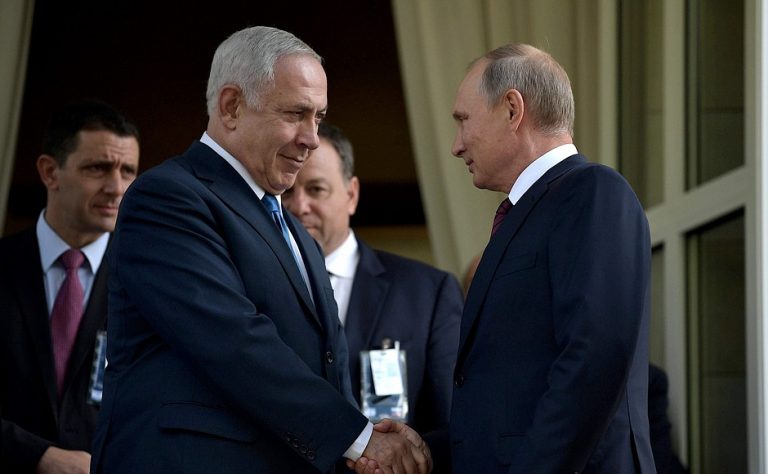
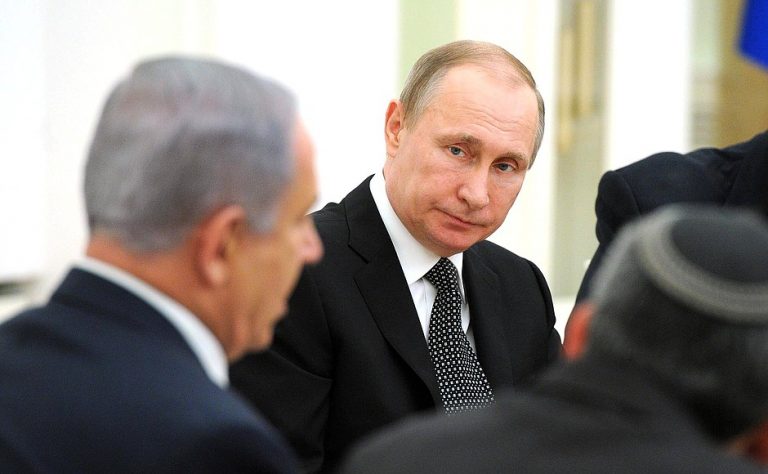
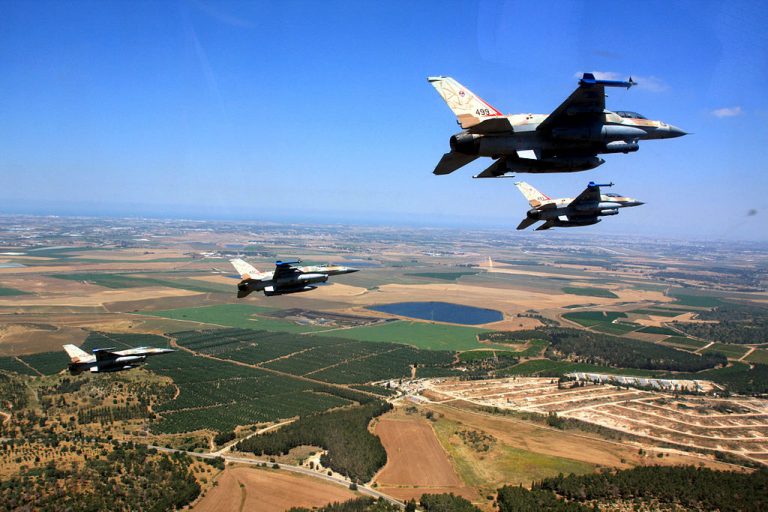
On July 8, Israel allegedly conducted an airstrike in Syrian territory that struck once again at the T4 base near Homs. Interestingly, Israel did not conduct any airstrikes to stop the concurrent advance of Syrian and Hezbollah forces southward. This might suggest that a grand bargain has been offered by Russia to Israel – one in which Moscow assures Jerusalem of an Iranian withdrawal in return for Israel’s acceptance of the consolidation of the Syrian state. This might explain Israel’s passivity, but it is by no means certain that Moscow will prevail on Tehran to withdraw from Syria.
Why has Russia under Putin acknowledged Israel’s need to prevent the buildup of an Iranian military presence in Syria?  Putin’s vision is to cement an alliance of minorities against the Sunni majority in the Middle East. Israel could be a valuable participant in making that vision a reality – but only if Moscow works to rid Syria of the Iranian presence, joins forces to topple its Islamist regime, and weans the Alawite regime in Damascus away from Tehran.
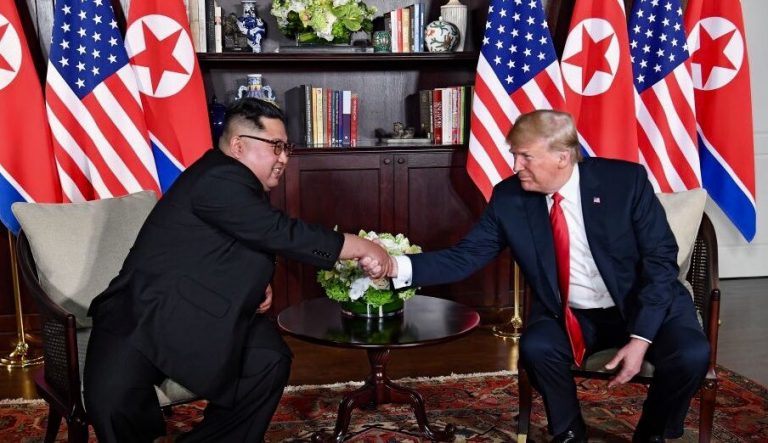
North Korean leader Kim Jong-un’s summits with US President Donald Trump and South Korean President Moon Jae-in were important milestones in solving the Korean Peninsula crisis, but they are only the first step in a long negotiation process that will take at least two years and might face several obstacles. 
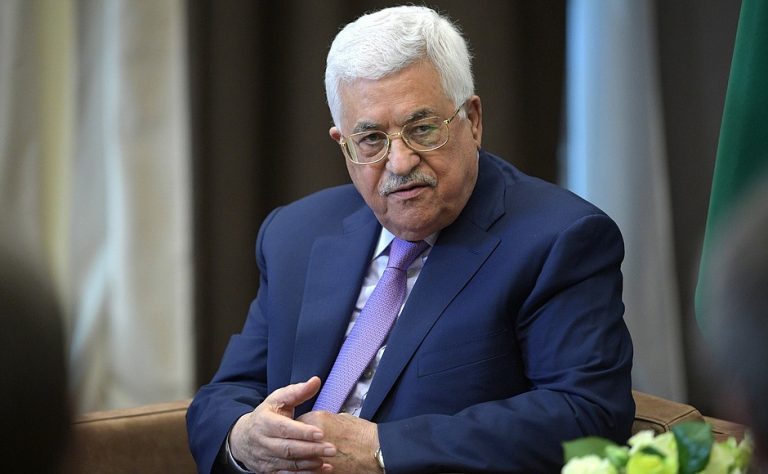
Palestinian Authority president Mahmoud Abbas’s recent illnesses have again raised the matter of his successor. This brewing issue highlights contradictory aspects of Palestinian political culture. The leaders create chaos and then blackmail Western powers in exchange for containment of the unrest. Their next step is to internationalize the conflict by demanding unconditional support. Both tactics create dependency and fundamentally undermine Palestinian sovereignty. Trusteeship schemes for the West Bank illustrate the pattern of dysfunction. Only a concept of Palestinian sovereignty free of blackmail and internationalization would allow for a successful state, but this is thwarted by the concept of Palestinian national honor, which demands a return to an imaginary status quo ante.
Tehran’s recent decision to attempt direct clashes with Israel resulted in a resounding defeat on May 10, when the IDF destroyed 50 Iranian military targets in Syrian territory. Iran is now shifting gears back to its traditional proxy approach. While it appears reluctant to mobilize Hezbollah against Israel right now and risk a full-scale regional war, it is continuing to work on securing a military position in Syria to use for future aggression. Israel must maintain its flexibility and responsiveness in order to prevent the creation of a second Iranian mass missile front on the border.
The low standings of the Zionist Camp list in public opinion polls floated a new demand for change at the top. As a result, the Labor party, the Zionist Camp’s senior partner, is again challenging its newly elected chairman, Avi Gabai. Despite replacing its leaders with each election campaign, Labor has never made a comeback to govern Israel. Because it is identified with Ramallah’s demands in any future settlement, Labor has suffered electoral punishment. An analysis of Labor’s performance over the past two decades reveals that its leadership has not yet internalized that instead of replacing its frontrunner, it should replace its alleged partner for a durable peace in the Arab-Israeli conflict.
The situation in the Gaza Strip since the 2005 disengagement debunks three fundamental assumptions that have become axiomatic in the Israeli security discourse: that total separation between Israelis and Palestinians will inevitably enhance security and stability; that the IDF will comfortably win any future confrontation in the evacuated territories; and that Israeli military activity in the previously held territories will enjoy massive international legitimacy and support.
Benjamin Netanyahu's June 2018 visit to Paris illustrated the complexity of Israel-France relations. On the one hand, there are significant divergences over the Israeli-Palestinian conflict and the Iranian nuclear agreement, exacerbated by the growing US-Europe gap. On the other, there are mutual respect, shared concerns, significant bilateral relations, and a strategic dialogue to help bridge the controversial issues.
Whenever the media mention Iceland in the context of Israel, it is usually to report negative news. It is difficult to find in Iceland’s history more than one substantial occasion when it played a positive role for Israel. There have been many cases of anti-Semitism in Iceland over the centuries. Every year, during the Lent period before Easter, 17th century hymns full of hatred for the Jews are read out daily by distinguished citizens and broadcast on Iceland's public radio station.
The summit that took place in Singapore in June 2018 between President Trump and North Korean leader Kim Jong-un likely had a significant impact on the Pyongyang-Tehran nexus. Given the depth of strategic cooperation between the two countries, Iran can be expected to take steps to minimize any challenges that will be posed to that cooperation, either directly or indirectly, by the tentatively developing Pyongyang-Washington relationship.

Accessibility Toolbar